Aprender a nadar
Jards Macalé
1974

Rankings
Why This Album Matters
Aprender a Nadar, Jards Macalé's second studio album, released in 1974, is a work that stands out for its audacity and depth during a period of intense repression in Brazil. The record not only reaffirms Macalé's artistic singularity but also proposes a sound that challenged the direction of Brazilian popular music at the time. With an approach that navigates between introspection and provocation, the album explores the pain of romantic disillusions, revisiting songs from the 1950s and presenting original compositions which, together, suggest an alternative path for the country's musical evolution, distancing itself from the then-dominant bossa nova style. Macalé's persona, who declares himself the "faquir da dor" (fakir of pain), permeates the tracks, inviting the listener to a musical experience of rare intensity and sincerity.
Context
Released in 1974, Aprender a Nadar emerged against a backdrop of strong repression by the Brazilian military dictatorship, a context that profoundly marked Jards Macalé's work. The album's title, moreover, holds a dark and emblematic story: an agent of the regime reportedly threatened Macalé with a 'passeio' (stroll or ride) in Guanabara Bay, questioning if he knew how to swim, a clear allusion to torture and disappearances. In an act of defiance and symbolism, on the day of the album's release, Macalé went to the Rio-Niterói ferry pier, where he cast a copy of the album into the bay before diving into the sea himself, to the sound of "Mambo da Cantareira". This performative gesture underscores the artist's intrinsic relationship with the political and social environment surrounding him, transforming art into an act of resistance and personal expression in the face of adversity.
Songs
The album begins with Jards Macalé introducing himself in an intriguing manner: "Meu nome é Jards Anet da Vida. Ou melhor, da Selva. Ou pior, da Silva", adopting the persona of a "faquir da dor" (fakir of pain) who exposes himself to the public. Following this introduction, the repertoire unfolds into a series of songs addressing the theme of romantic disillusions. The compositions include partnerships with Waly Salomão and revisit melodies from the 1950s, demonstrating a musical direction that Macalé envisaged as an alternative evolution for Brazilian music, in contrast to bossa nova. This aesthetic choice gives the album a particular sound, which, while connecting with popular roots, dares in its proposal of originality and expression.
Tracks
Credits
Mario Tavares, Perinho Albuquerque
Perinho Albuquerque, Wagner Tiso
Jards Macalé
Waly Sailormoon
Perinho Albuquerque
Luiz Alves
Canhoto
Meira
Dino 7 Cordas
Zeca Da Cuica
Tutty Moreno
Robertinho Silva
Rubão Sabino
Wagner Tiso
Ion Muniz
Claudio Stevenson
Chiquito
Carlinhos "Pandeiro De Ouro"
Chacal, Luis Carlos, Pedro Santos
Aloisio Milanez
Joaquim Figueira
Ary Perdigão, João Moreira, Luigi Hoffer
Aldo Luiz
Perinho Albuquerque
Nilo De Paula
Rogério Noel
Films


Books
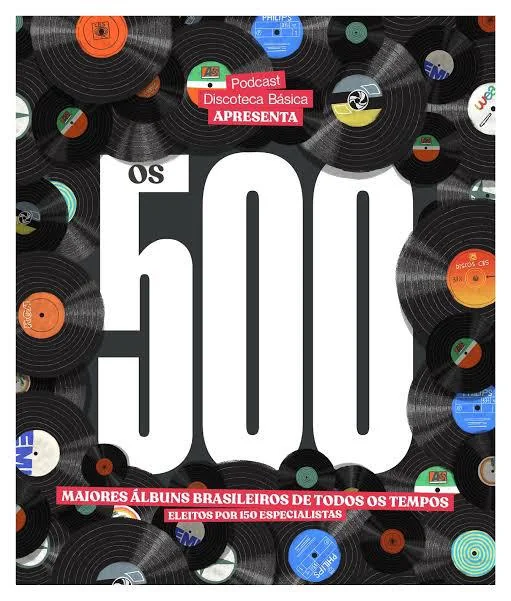
Os 500 Maiores Álbuns Brasileiros de Todos os Tempos
Ricardo Alexandre · 2022
The largest Brazilian music election ever conducted: 162 specialists, spanning journalists, critics, musicians, producers and podcasters, each nominated 50 essential albums, supported by a masterlist of more than 2,000 works. Led by Ricardo Alexandre with tabulation by Sérgio Jomori, it was published in December 2022 as a 200-page hardcover book with graphic design by Fernando Pires.

300 Discos Importantes da Música Brasileira
Charles Gavin, Tárik de Souza, Carlos Calado, Arthur Dapieve · 2008
Conceived by Titãs drummer and musical researcher Charles Gavin, the 434-page book brings together covers and reviews of albums released between 1929 and 2007. The texts were written by journalists Tárik de Souza, Arthur Dapieve and Carlos Calado.
Analyses
Aprender a nadar – Wikipedia
Wikipedia, the free encyclopaedia
"Aprender a nadar" (1974), Jards Macalé - A música de
amusicade.com
Front and back cover of the LP Aprender a nadar (Phonogram/Philips, 1974). Besides some unreleased compositions, Macalé drew his raw material from mambos, boleros, and the pre-bossa nova samba tradition, especially from samba de gafieira and samba-canção.

Jards Macalé apresenta a linha da morbeza romântica em "Aprender a Nadar"
cecultimpressoesmusicais.blogspot.com
This is the second studio album of his career, released by Philips record label in 1974. Following the sales failure of his first album (1972), Macalé insists on his conceptual audacity within the post-tropicalist avant-garde.
Jards Macalé - Aprender A Nadar (1974)
musicasdonordeste.net
"Jards Macalé apresenta a linha da morbeza romântica em Aprender a Nadar", or simply "Aprender a Nadar", is the second studio album by Brazilian singer and songwriter Jards Macalé, officially released in 1974 by Philips record label.
O Som do Vinil: Álbuns de 1974 - Episódio: Aprender A Nadar - Jards ...
canalbrasilimprensa.com.br
Synopsis: Featuring songs that follow the line of romantic "morbeza", the album "Aprender a Nadar" is a landmark of the 1970s, recorded by Jards Macalé.