Jards Macalé
Jards Macalé
1972
Rankings
Why This Album Matters
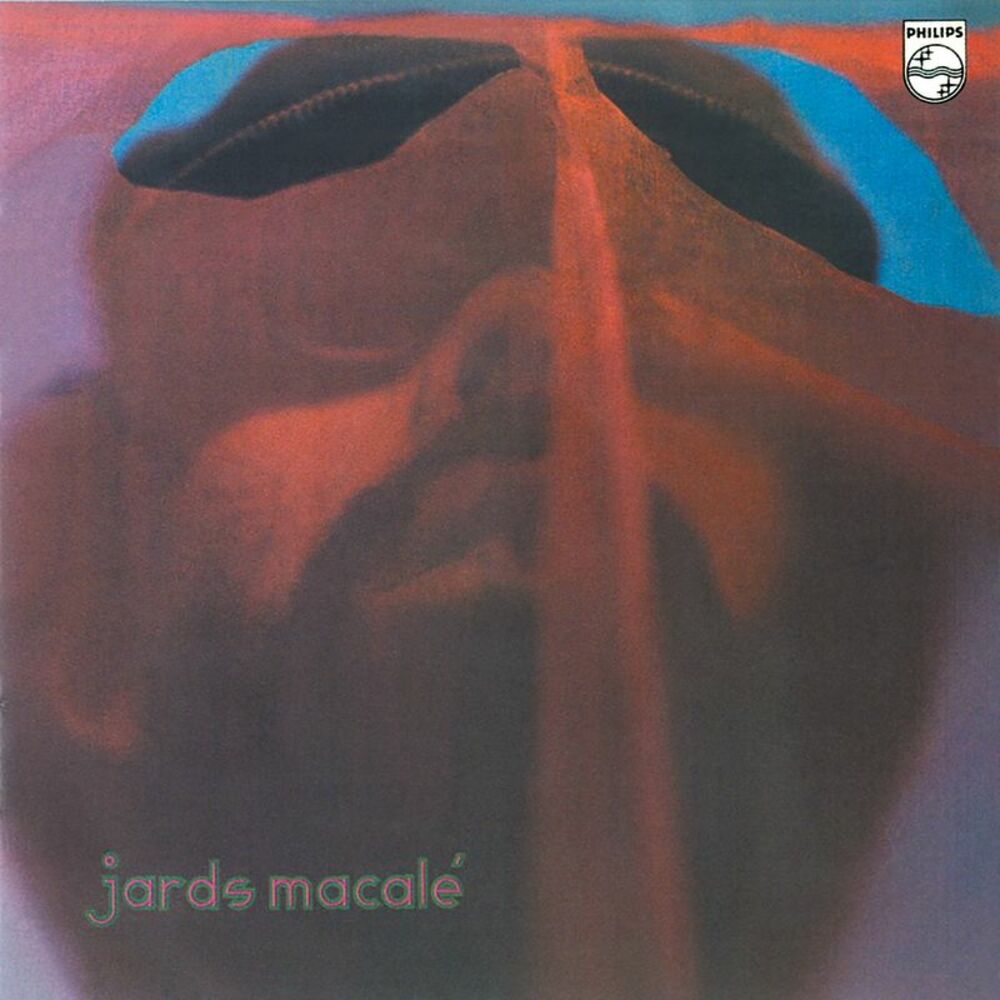
Released in 1972, Jards Macalé's solo debut album is an absolute landmark in Brazilian music, presenting a proposal that subverts the linear logic of MPB at the time. It distinguishes itself by ushering in a post-Tropicalist "fossa" vein, marked by a melancholic and profound tone, in stark contrast to the festive mood of other contemporary releases, such as Novos Baianos' Acabou Chorare. The record is a bold, transgressive and anti-commercial work, which blended rock, samba, erudition, jazz, bossa-nova and Tropicalism itself, elements that Jards Macalé weaves into a unique and challenging sonic tapestry. With an electric sound and a politicised and poetic repertoire, the album is considered one of the most unusual works in the history of Brazilian music, founding a "Macalean avant-garde" that redefined the boundaries of musical art in the country. Macalé did not just sing, he "dissolved form", with his music deviating from conventional melodic and harmonic expectations, consolidating himself as a pillar of a singular body of work in MPB.
Context
Before recording his eponymous album, Jards Macalé was already an active figure in the Brazilian music scene, having had his compositions recorded by influential artists such as Eliseth Cardoso, Nara Leão and Gal Costa. In the early 1970s, his most notable experience was as musical director for Caetano Veloso on the recording of the album Transa, in London, where he also played alongside musicians Tutty Moreno on drums and Lanny Gordin on guitar. However, the collaboration on Transa resulted in a disagreement with Caetano Veloso, as Macalé felt slighted by the omission of his name from the album's credits. Back in Brazil, and amidst the repressive period of the military dictatorship, Macalé reunited Tutty and Lanny to bring his first solo LP to life, transforming this experience into an opportunity to express his artistic vision fully and without compromise.
Recording
The album Jards Macalé was conceived with a lean and powerful line-up, centred on the synergy of the trio comprising Jards Macalé on acoustic guitar and vocals, Lanny Gordin on electric bass and steel guitar (playing as a guitar), and Tutty Moreno on drums. The three musicians were responsible for the arrangements of all tracks, creating a raw, electric sound with touches of rock, jazz and samba, almost like a "jam session" recorded in the Phonogram studios. The businessman Guilherme Araújo produced the album. The recording was done hastily, with a tight deadline and minimalist characteristics. One of the biggest challenges faced during production was the censorship imposed by the military regime. The song "Revendo Amigos", with lyrics by Waly Salomão, for example, had to be revised twelve times before it was finally approved, demonstrating the artists' struggle against the impositions of the era.
Songs
The repertoire of the album Jards Macalé is an amalgamation of original compositions and partnerships with prominent names in Brazilian poetry and music, such as Capinam, Waly Salomão, Torquato Neto, Duda Machado, Luiz Melodia and Gilberto Gil. The lyrics are laden with existential questions and a profound melancholy, reflecting discomfort with the censorship and military dictatorship of the time. Among the standout tracks, "Farinha do Desprezo" opens the album with a daring blend of rock, samba and jazz, showcasing Lanny Gordin's fingerpicking and Tutty Moreno's time shifts. "Mal Secreto" is a distinctive blues track, later re-recorded by Gal Costa, as was "Hotel das Estrelas". "Let's Play That", a collaboration with Torquato Neto, is notable for its lyrics which paraphrase verses by Carlos Drummond de Andrade. The combination of "Farrapo Humano" (by Luiz Melodia) and "A Morte" (by Gilberto Gil, never recorded by the author) also exemplifies the rock electricity and poetic depth of the album.
Legacy
The initial reception of the album Jards Macalé was challenging. With its bold and anti-commercial nature, the record had low sales and was quickly withdrawn from circulation. This performance resulted in the termination of Jards Macalé's contract with the Phonogram record label. As a direct consequence, and unemployed, Macalé conceived and gathered various artists for the recording of the historic album Banquete dos Mendigos, released the following year in celebration of the 25th anniversary of the Universal Declaration of Human Rights. Despite its initial commercial failure, time did justice to Macalé's work. Today, the album is universally recognised as one of the great classics and "best MPB albums of all time". It is frequently cited as a guide for the artist's discography and as a fundamental record for the emergence of an "authentically Brazilian rock", influencing generations of musicians and consolidating Jards Macalé as a "maestro of the avant-garde" and a destabilising force in Brazilian music.
Tracks
Credits
Lanny Gordin
Tutty Moreno
Jards Macalé
Guilherme Araujo
Joaquim Figueira
Paulo Sergio
João Moreira
Luciano Figueiredo, Oscar Ramos
Eduardo Clark
Podcasts
Lado A Farinha do Desprezo. Macunaímico. Turma da Tijuca e a Turma dos Baianos. Formação musical erudita. Jards Macalé e a Tropicália. Orquestra Tabajara. Hospedou Maria Bethânia. Penetrável do Hélio Oiticica. Tuti Moreno e Lanny Gordin. Gotham City no FIC 1969. Parceria com Wally Salomão. Quatro Crioulos: Zé Keti, Jair do Cavaquinho, Elton Medeiros e Paulinho da Viola. Jards, Gil e Caetano no Fe
![#22 [Inventário das sombras] Jards Macalé (1972)](https://i.scdn.co/image/ab6765630000ba8aed9b52bd151e35aa5ae139e6)
Jards Macalé é um representante maior do espírito transgressor, inconformista e inovador da arte. No episódio de hoje, conversaremos sobre o seu inspirador álbum de estreia, homônimo, lançado em 1972.
Videos
review on jards macale 's 1972 album
samthadigga
Episódio 45 - Jards Macalé - 1972 (Nova Temporada)
O que cresci ouvindo
Films

Books
Álbum 2 - 1972 a 1978
Pedro Alexandre Sanches · 2022
The second volume in a series that recounts the history of Brazilian music through its albums, covering the period from 1972 to 1978. Written by renowned journalist and music critic Pedro Alexandre Sanches, it is likely that this volume will analyse seminal albums of the era in detail, including the 1972 album 'Jards Macalé', due to its cultural and artistic relevance.
Os 500 Maiores Álbuns Brasileiros de Todos os Tempos
Ricardo Alexandre · 2022
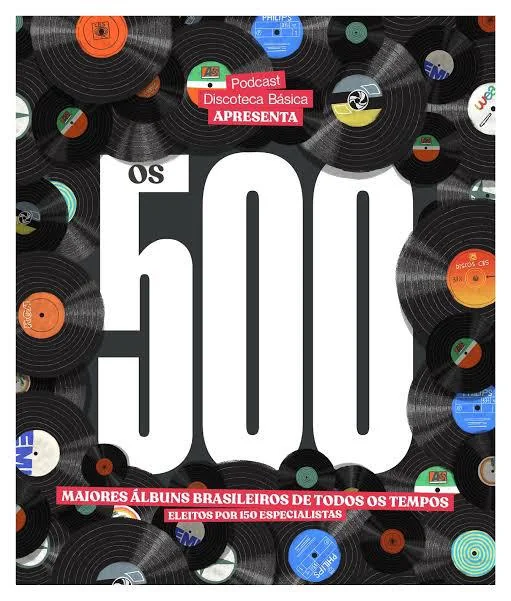
The largest Brazilian music election ever conducted: 162 specialists, spanning journalists, critics, musicians, producers and podcasters, each nominated 50 essential albums, supported by a masterlist of more than 2,000 works. Led by Ricardo Alexandre with tabulation by Sérgio Jomori, it was published in December 2022 as a 200-page hardcover book with graphic design by Fernando Pires.
Jards Macalé
João Pimentel · 2007
This work is a comprehensive biography and a critical study of musician Jards Macalé's career. The book explores his artistic trajectory, his influences, and the impact of his discography, dedicating special attention to his eponymous debut album from 1972, considered a milestone in Brazilian music.
Analyses
Jards Macalé – Wikipedia
Wikipedia, the free encyclopaedia
Vitrola | A profundidade musical de Jards Macalé em seu disco de 1972
alataj.com.br
Jards Macalé (1972) is almost an eponymous album. The record is considered one of the most unusual works in the history of Brazilian music and marks Jards' transition to a pop path, blending rock, samba, erudition, jazz, bossa nova, tropicalism, melancholy, and suffering in high doses.
Revisitando Meus Clássicos: Jards Macalé (1972) - Monkeybuzz
monkeybuzz.com.br
"Revisitando Meus Clássicos" (Revisiting My Classics) is a feature in which the musicians themselves dissect great albums and hidden gems from their discography. Jards Macalé was a rising musician in the early 1970s.
Álbum 'Jards Macalé' faz 50 anos como norte de discografia que ... - G1
g1.globo.com
With a politicised and poetic repertoire, the 1972 album features an electric sound produced through the synergy between the artist and musicians Lanny Gordin and Tutty Moreno.
Revisitando Meus Clássicos Jards Macalé
pt.scribd.com
This document revisits Jards Macalé's 1972 album, by one of the most original Brazilian musicians. Recorded during the military dictatorship, the album featured political and experimental songs that anticipated a genuinely Brazilian rock.