Cabeça de Nego
João Bosco
1986

Rankings
Why This Album Matters
Cabeça de Nego, released in 1986, is a significant album in João Bosco's discography, standing out as a vibrant tribute to Black heritage in Brazilian music. The work celebrates Afro-Brazilian ancestry, joy, and cultural resistance, recurring and fundamental elements in the artist's trajectory. The eponymous title carries a double meaning, referring both to a traditional firework used in Junina festivities and to a slang term for marijuana, suggesting an atmosphere of celebration, freedom, and resistance that permeates the entire work. Musically, the album features João Bosco masterfully exploring and blending diverse styles. Its tracks range from acoustic folk-jazz scat, reminiscent of Gilberto Gil in the early 70s, to explicit forays into jazz with saxophone riffs and vocal harmonies, as well as pure samba, inspired by the effervescent pagode scene of the time. This stylistic diversity, combined with its thematic depth, solidifies Cabeça de Nego's relevance within the MPB landscape.
Context
João Bosco de Freitas Mucci, born in Ponte Nova, Minas Gerais, already had a consolidated and respected career in Brazilian music before the release of Cabeça de Nego. A civil engineer by training, Bosco dedicated himself to music from a young age, influenced by jazz, bossa nova, and the Tropicalismo movement. His trajectory gained prominence through his legendary partnership with lyricist Aldir Blanc, resulting in over a hundred joint compositions, and historical collaborations with artists such as Elis Regina, which projected him onto the national scene. The period leading up to the album was one of intense production for Bosco, who was already recognised for his inventiveness and for addressing complex social and cultural themes in his lyrics. His career flourished in a Brazil that, even under the military dictatorship (1964-1985), sought in popular music a voice of resistance and reflection, often grappling with censorship.
Recording
The album Cabeça de Nego was released in 1986 by the Barclay record label. The album's production was overseen by João Bosco himself in collaboration with Antonio Foguete. Artistic direction was by Mazola, while recording and mixing were carried out by sound engineer Luiz Cláudio. Paschoal Perrotta was responsible for the arrangements, contributing to the rich and multifaceted sound of the work.
Songs
The title track, "Cabeça de Nego", is a direct homage to great names in Brazilian popular music deeply connected to Black culture and samba. The lyrics mention iconic figures such as Donga, Sinhô, João da Bahiana, Candeia, Clementina de Jesus, Pixinguinha, Silas de Oliveira, and Paulinho da Viola. Through onomatopoeic expressions and references to genres like jongo and choro, the song evokes the energy of the batuques (drumming) and samba circles, conveying a deep sense of pride and belonging to the Afro-Brazilian heritage. Besides the title track, the album features compositions by João Bosco in partnership with Aldir Blanc, such as "Droba A Língua (Boto-Cor-De-Rosa Em Ramos)", "Quilombo", "João Do Pulo", "Samba Em Berlim Com Saliva De Cobra", and "Da África À Sapucaí". The collaboration with Martinho da Vila also stands out in "Odilê, Odilá". The presence of Paulo Moura as a special guest on the soprano saxophone adds a layer of sophistication and virtuosity to some tracks.
Legacy
With a career spanning over five decades, João Bosco is a central figure in MPB, having been elected 63rd on Rolling Stone Brasil's "100 Maiores Artistas da Música Brasileira de Todos os Tempos" list in 2008. In 2017, his contribution to music was recognised with the Latin Recording Academy's Lifetime Achievement Award. Although Cabeça de Nego is widely considered a "brilliant, agile, and beautiful album", where Bosco demonstrates his excellence across various styles, specific information regarding sales, chart positions, or awards directly attributed to this particular album is not detailed in the available sources. Nevertheless, its inclusion in the discography of an artist of such calibre already attests to its importance and relevance within his overall body of work.
Tracks
Credits
Mazzola
Antonio Foguete, João Bosco
João Bosco
Paschoal Perrota
Eva Straus
Luis Cláudio Coutinho
Ano Luz Design
Jorge Vianna
José Luiz Pederneiras
Books

João Bosco
Regina Carvalho · 2023
This is a biography of the renowned artist João Bosco. The book narrates his trajectory, from his birth in Ponte Nova, Minas Gerais, and his years in civil engineering at UFOP, to his move to Rio de Janeiro with encouragement from Vinicius de Moraes and the impact of Elis Regina's support at the beginning of his career.
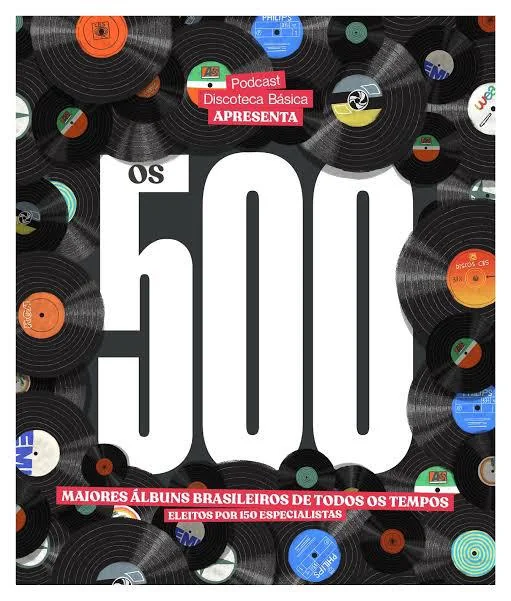
Os 500 Maiores Álbuns Brasileiros de Todos os Tempos
Ricardo Alexandre · 2022
The largest Brazilian music election ever conducted: 162 specialists, spanning journalists, critics, musicians, producers and podcasters, each nominated 50 essential albums, supported by a masterlist of more than 2,000 works. Led by Ricardo Alexandre with tabulation by Sérgio Jomori, it was published in December 2022 as a 200-page hardcover book with graphic design by Fernando Pires.
Analyses
João Bosco - Website Oficial
joaobosco.com.br
Cabeça de Nego 1986 Cabeça de Nego 1986 1 - Bote Babalu Pra Pular No Pagode 2 - Dobra a Língua ( Boto Cor de Rosa Em Ramos) 3 - Cabeça de Nego 4 - Quilombo 5 - João de Pulo 6 - Samba Em Berlim Com Saliva de Cobra 7 - João Balaio 8 - Da África á Sapucaí 9 - Odilê Odilá Discography ...
Cabeça De Nego - João Bosco - Som Bom
sombom.com.br
Cabeça De Nego by João Bosco lyrics, composers, videos and songs such as: Bote Babalú Pra Pular no Pagode, Drobra a Língua, Cabeça de Nego, Quilombo

João Bosco - Cabeça de Nego - 1986
joiasdamusica.blogspot.com
João Bosco - Cabeça de Nego - 1986 1 - Bote Babalu Pra Pular no Pagode 2 - Dobra A Língua (Boto-Cor-de-Rosa em Ramos) 3 - Cabeça de Nego 4 - Quilombo 5 - João do Pulo 6 - Samba em Berlim com Saliva de Cobra 7 - João Balaio 8 - Da África à Sapucaí 9 - Odilê, Odilá
Indicação de Álbum - Cabeça de Nego 1986 (449/500) Cãotural - Bastter.com
bastter.com
Cabeça de Nego 1986 (449/500) João Bosco MPB Samba And whoever came from afar crossed lightning and thunder to fall into samba and receive the vibration