Galos de Briga
João Bosco
1976

Rankings
Why This Album Matters
Galos de Briga, released in 1976, is an album that solidified João Bosco's unmistakable partnership with lyricist Aldir Blanc, projecting them as central figures of Música Popular Brasileira. The work is a sophisticated collection of urban musical chronicles, masterfully navigating syncopated sambas, marchas-rancho, and 'calientes' boleros, wrapping lyrics that oscillate between humour and drama, the sordid beauty of everyday life, and astute social commentary. This album is notable for its ability to be both popular and profoundly elaborate, demystifying the idea that the duo's work was 'difficult' or 'inaccessible'. Through its thematic and melodic richness, the album offers a vivid portrait of 1970s Rio de Janeiro, with its stories, characters, and dilemmas, reaffirming the duo's relevance in the Brazilian musical landscape.
Context
Born in Ponte Nova, Minas Gerais, João Bosco began his musical journey playing the guitar at 12 years old. His career gained a decisive boost in the early 70s, when singer Elis Regina recorded songs by the João Bosco and Aldir Blanc duo, such as "Bala Com Bala" and the iconic bolero "Dois pra lá, dois pra cá", boosting the visibility of their compositions. Galos de Briga marks João Bosco's third album, following the success of his previous work, Caça à Raposa, released in 1975. The partnership with Aldir Blanc, already very prolific, reached one of its creative pinnacles during this period, producing a sequence of albums that defined the sound and poetry of an era in MPB.
Recording
The album Galos de Briga was released by the RCA Victor label in 1976. Production was handled by Rildo Hora, a renowned figure in Brazilian music, and recordings took place between March, April, and May of the same year. The album's arrangements were predominantly crafted by Luiz Eça, with a notable contribution from Radamés Gnattali on one of the tracks. Musical excellence is guaranteed by a "first-class backing group", which included musicians such as Toninho Horta on guitars and acoustic guitars, Luizão Maia on bass, Paschoal Meirelles on drums, and Dom Chacal on percussion, enriching the album's sound.
Songs
The twelve tracks on Galos de Briga are the result of the full partnership between João Bosco and Aldir Blanc, offering a tapestry of narratives and emotions. Among the standout songs, we find classics such as "Incompatibilidade de Gênios", "O Ronco da Cuíca", "Transversal do Tempo", "Latin Lover", and "O Rancho da Goiabada", which became trademarks of the duo. Aldir Blanc's lyrics are described as intelligent and, at times, caustic, serving as a mirror of the "difficult years of the military regime". On the title track "Galos de Briga", for example, the metaphor of fighting cocks is skilfully employed to subtly criticise repression and extol resistance, with the colour red symbolising courage and confrontation. "O Ronco da Cuíca" is another example of veiled criticism of authoritarianism, using everyday quotes and ironies that, surprisingly, escaped the censorship of the time. The album also features a special appearance by Belgian harmonica player Toots Thielemans on the track "Transversal do Tempo", adding an international touch to the sound.
Legacy
Galos de Briga represented the "definitive affirmation" of the João Bosco and Aldir Blanc duo as one of the most important in MPB, with its success confirming the strong performance of their previous album, Caça à Raposa. The album sold well and its songs were frequently played on the radio, breaking with the perception that the artists' work was hermetic. Despite its commercial and critical success, the album faced repression from the military dictatorship; the song "O Ronco da Cuíca", with its subtle criticism of authoritarianism, was censored for radio and television broadcast, highlighting the power of its message. Various songs from the album were re-recorded by other artists, including Elis Regina, consolidating Galos de Briga as a "classic of Brazilian musical production" and a reference for generations of musicians and listeners.
Tracks
Credits
Carlos Guarany
Radamés Gnattali
Luiz Eça
Alceo Bocchino
Rildo Hora
Aldir Blanc, João Bosco
Ângela Maria
Dino 7 Cordas
Leonel Villar
João Bosco
Luizão Maia, Wagner Dias
Carlos Silva e Souza
Luiz Antonio Ferreira
Luciano Perrone
Barão
Neco
Netinho
Pascoal Meirelles
Toninho Horta
Toots Thielemans
Formiga, Hamilton, Heraldo
Chacal, Chico Batera, Everaldo, Moura
Gilberto D'Avila
Manoel Ferreira
Bijou
João Luiz Maciel, Manoel Araújo, Nelson Martins Dos Santos, Walter Batista Azevedo
Zenio De Alencar
José Oswaldo Martins
Luiz Carlos T. Reis
Mário Jorge Bruno
Ney Tavora
Glauco Rodrigues
Ivan Klingen
Videos
45 Anos de GALOS DE BRIGA de JOÃO BOSCO | ALBUM REVIEW
Som de Peso
Books

João Bosco
Regina Carvalho · 2023
This is a comprehensive biography of João Bosco, covering his origins in Ponte Nova, his studies in Civil Engineering, and the development of his musical career in Rio de Janeiro, boosted by figures such as Vinicius de Moraes and Elis Regina. It offers life and career context that helps understand his work, including the album 'Galos de Briga'.
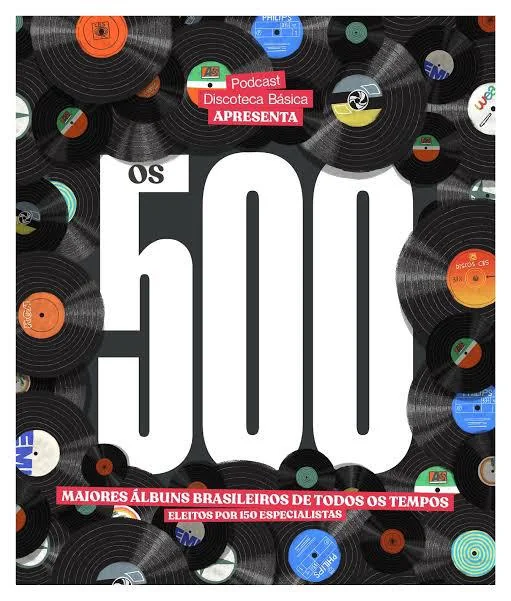
Os 500 Maiores Álbuns Brasileiros de Todos os Tempos
Ricardo Alexandre · 2022
The largest Brazilian music election ever conducted: 162 specialists, spanning journalists, critics, musicians, producers and podcasters, each nominated 50 essential albums, supported by a masterlist of more than 2,000 works. Led by Ricardo Alexandre with tabulation by Sérgio Jomori, it was published in December 2022 as a 200-page hardcover book with graphic design by Fernando Pires.
João Bosco, Galos de Briga
Charles Gavin, João Bosco, Rildo Hora, Guinga · 2015
This book is highly focused on João Bosco's work, specifically mentioning the album 'Galos de Briga' in its title. The description highlights the analysis of João Bosco's unique style in singing and on the guitar, which combines technique, creativity, and 'ginga' (swing/groove). It is a valuable resource for those seeking to understand the musicality present in the album.
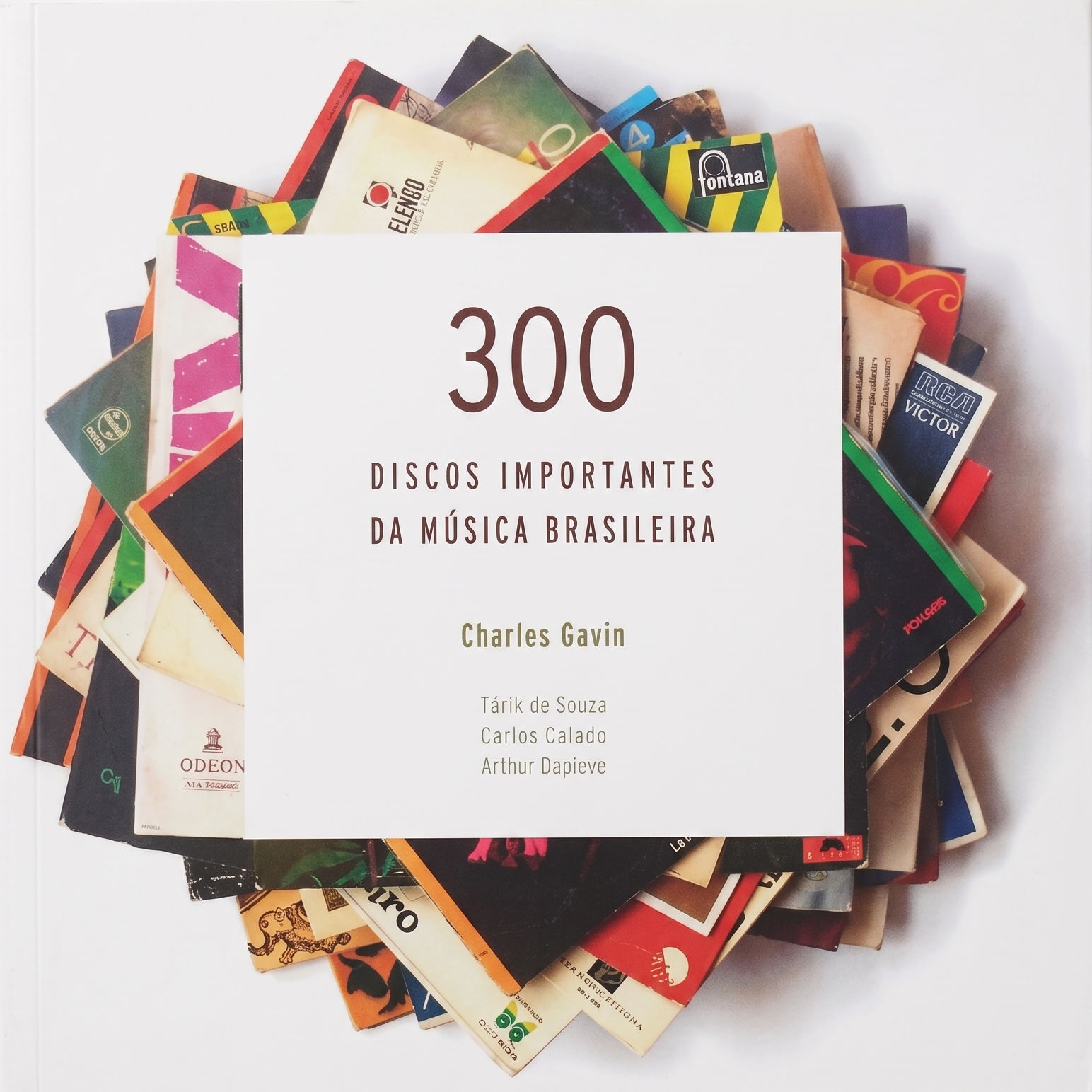
300 Discos Importantes da Música Brasileira
Charles Gavin, Tárik de Souza, Carlos Calado, Arthur Dapieve · 2008
Conceived by Titãs drummer and musical researcher Charles Gavin, the 434-page book brings together covers and reviews of albums released between 1929 and 2007. The texts were written by journalists Tárik de Souza, Arthur Dapieve and Carlos Calado.
Analyses
Galos De Briga - Songlytics
songlytics.com
Analysis for Galos De Briga by João Bosco. Tracklist, popularity, and radio plays for this album.
"Galos de briga" (1976), João Bosco - A música de
amusicade.com
He is in the final stages of his second album, Guanabara São Francisco. Galos de Briga is one of those albums that unsettles us from start to finish. As is customary in the vast body of work by João Bosco and Aldir Blanc, it has songs to laugh to, to cry to, to be moved in every way.

MUSICA&SOM: João Bosco - "Galos de Briga" (1976)
tabernanovostempos.blogspot.com
And so it was that in the early 1970s, through university circles, the meeting of João Bosco and Aldir Blanc took place. João, a mineiro who became a carioca but never lost the poetic vastness of Minas Gerais within him.
João Bosco - Website Oficial
joaobosco.com.br
Galos de Briga 1976 1 - Incompatibilidade de Gênios Letra 2 - Gol Anulado Letra 3 - O Cavaleiro e Os Moinhos Letra 4 - Rumbando Letra 5 - Vida Noturna Letra 6 - Ronco Na Cuica Letra 7 - Miss Sueter Letra 8 - Latin Lover Letra 9 - Galos de Briga Letra 10 - Feminismo No Estacio Letra 11 - Transversal de Tempo Letra 12 - O Rancho de Goiabada ...
Recomeçar, recomeçar como canções e epidemias: Galos de briga, 1976
revistaseda.org
This article aims to focus on the album "Galos de briga" (RCA Victor, 1976), the result of the partnership between João Bosco and Aldir Blanc, on the following thematic axes: 1) combative stance; 2) chronicles of everyday life; 3) who controls the body.