O Poeta do Povo
João do Vale
1965

Rankings
Why This Album Matters
O Poeta do Povo, released in 1965, is João do Vale's first LP as a performer, marking his consecration after the success of his participation in the show Opinião. This album is a fundamental work of Brazilian popular music, highlighting the artist's unique style, which authentically blended Northeastern rhythms, such as baião, xote, and coco, with Rio de Janeiro samba. Through his compositions, João do Vale gives voice to a profound and often invisible Brazil, elevating the dignity of the rural worker and denouncing social injustices with unparalleled poetic sensibility. The album is a vivid portrait of the people's reality, with lyrics that, although seemingly simple, carry a depth stemming from a close observation of life, struggles, and everyday joys. It is, without doubt, a musical testament to the Brazilian soul.
Context
João do Vale, born in Pedreiras, Maranhão, in 1934, came from humble origins and had a life path marked by challenges. At the age of 15, he left his homeland for Rio de Janeiro, working as a civil construction labourer while pursuing his dream of showcasing his compositions. He frequented radio stations, especially Rádio Nacional, to present his songs to artists, demonstrating a persistence that eventually led to his first songs being recorded in the early 1950s. The political and cultural effervescence of the 1960s, with the military dictatorship establishing itself in Brazil, transformed music into an important space for debate and expression. In this scenario, the show Opinião, in 1964, became crucial for João do Vale, where his presence and compositions gained another dimension and projected him nationally as the 'Poeta do Povo'.
Recording
The album O Poeta do Povo was released in 1965 by the Philips record label. In this work, João do Vale appears as the vocalist, performing twelve compositions of his own. Although the original LP inserts do not detail the complete list of collaborating musicians, the record captured João do Vale's authentic voice, which became a milestone in his discography.
Songs
The album features twelve notable compositions by João do Vale, many of them collaborative, which became anthems of Brazilian music. Among the prominent tracks are the autobiographical "Minha História", "A Voz do Povo", in partnership with Luiz Vieira, and "Carcará", composed with José Cândido. "Carcará" stands out as a symbol of Northeastern resistance, a metaphor for the bird of prey that, by eating the dry vegetation, becomes a cry for freedom and the capacity for survival in times of adversity. Other classics such as "Pisa na Fulô", "Peba na Pimenta", and "A Lavadeira e o Lavrador" also form part of the repertoire, revealing João do Vale's lyrical richness, who spoke of the struggles, simple joys, and dreams of the common Brazilian with touching sincerity.
Legacy
O Poeta do Povo was a turning point in João do Vale's career, consolidating him as one of Brazil's greatest composers and a symbol of resistance and creativity. Maria Bethânia's visceral interpretation of "Carcará" in the show Opinião, and subsequently on record, elevated the song to an anthem against the military dictatorship that was establishing itself, launching it nationally and amplifying João do Vale's message. The legacy of the album and of João do Vale transcends generations, with his songs being re-recorded and his work recognised for its authenticity and representativeness. He is honoured in theatres, statues, musicals, and even with a Google Doodle, evidencing his lasting impact on Brazilian culture and his position as the 'Poeta do Povo'. His work continues to inspire and echo in the voices of great performers, keeping alive the memory of an artist who gave a voice to the oppressed and celebrated the richness of deep Brazil.
Tracks
Videos
João do Vale: O Poeta do Povo e a Voz da Resistência
Diálogos Biográficos
Books
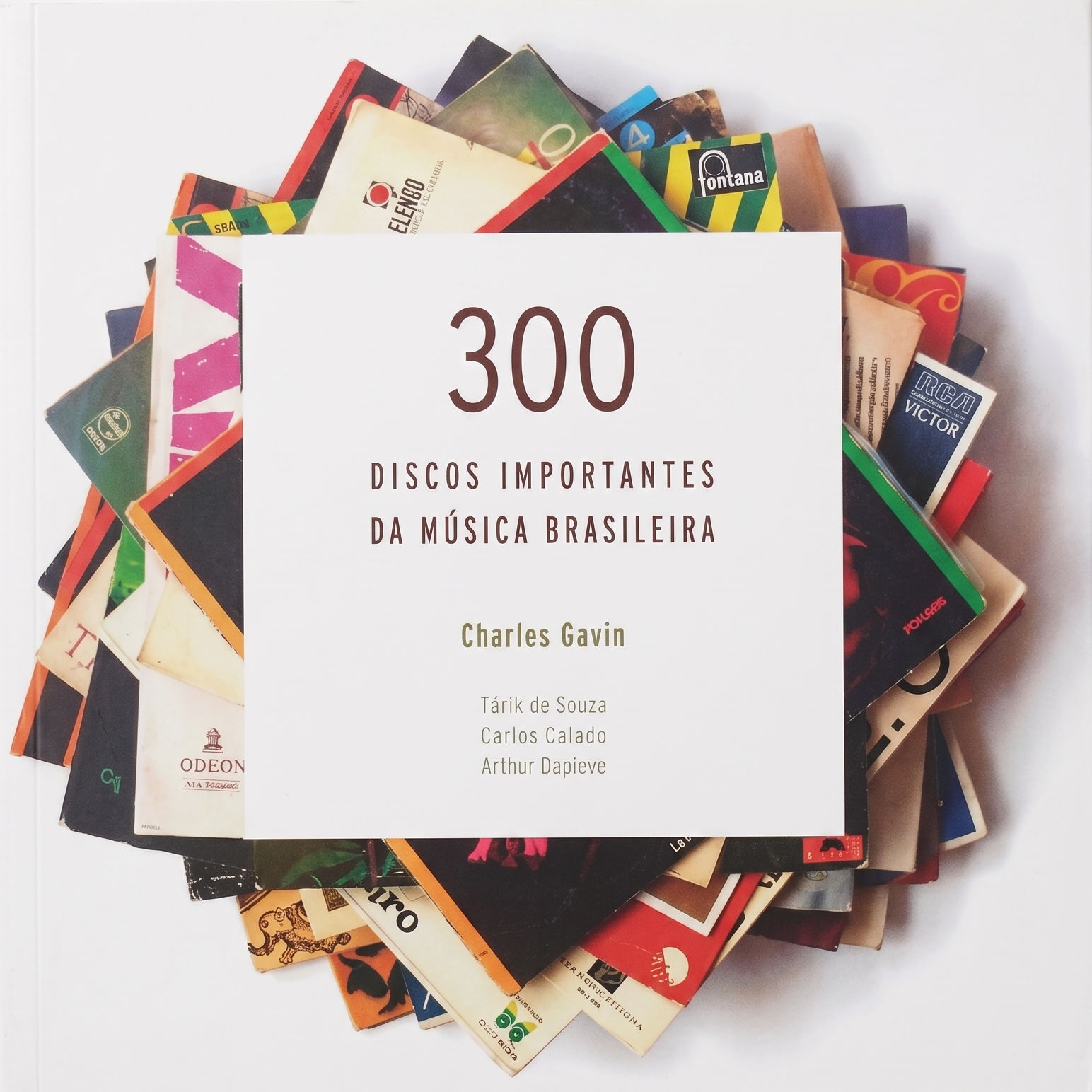
300 Discos Importantes da Música Brasileira
Charles Gavin, Tárik de Souza, Carlos Calado, Arthur Dapieve · 2008
Conceived by Titãs drummer and musical researcher Charles Gavin, the 434-page book brings together covers and reviews of albums released between 1929 and 2007. The texts were written by journalists Tárik de Souza, Arthur Dapieve and Carlos Calado.
Pisa na fulô mas não maltrata o carcará
Marcio Paschoal · 2000
With a title that directly references one of João do Vale's most iconic songs, 'Carcará', this book by Marcio Paschoal is a biography and in-depth study of the life and work of the 'People's Poet'. It is highly likely to address the artist's career comprehensively, including the creation and impact of the album 'O Poeta do Povo'.
O poeta do povo
Assis Angelo · 1999
Published by Assis Angelo, a renowned writer on Brazilian music, this book shares the title of João do Vale's album, 'O Poeta do Povo'. It is highly probable that it explores João do Vale's trajectory and work, focusing on his identity as a popular artist and the relevance of the eponymous album in his discography.
Analyses

The Music of Parallel Realities: Joao do Vale - O Poeta do Povo (1965)
parallelrealitiesmusic.blogspot.com
Philips P 632.773 L Poet, composer and singer João do Vale for the fist time in this parallel reality with his first career album, out ...
João do Vale e a invenção do nordeste: uma construção identitária ...
repositorio.ufmg.br
This research was designed with the aim of understanding the strategies and elements (poetic, musical, interpretative) employed by João do Vale in the process of constructing a set of ideas about the "Nordeste brasileiro" through the analysis of the versions of the songs Minha história, Pisa na fulô, A voz do povo and Ouricuri ...

Blog da Música Brasileira: 1965 - O Poeta do Povo - João do Vale
blogdamusicabrasileira.blogspot.com
One of the most important albums in the history of Brazilian music, still highly sought after by collectors and lovers of good Brazilian music today. An album that showcases the talent of a composer with the name and importance of João do Vale as a poet, and a poet of the people.

Vinil Campina: João do Vale - 1965 - O Poeta do Povo
vinilcampina.blogspot.com
1 A Voz do Povo (João do Vale/Luiz Vieira) 2 Carcará (João do Vale/José Cândido) 3 Pra Mim Não (João do Vale/Marília Bernardes) 4 Peba Na Pimenta (João do Vale/José Batista/Adelino Rivera) 5 Minha História (João do Vale/Raimundo Evangelista) 6 A Lavadeira e o Lavrador (João do Vale/Ari Monteiro)