Quem é Quem
João Donato
1973

Rankings
Why This Album Matters
Quem é Quem, João Donato's tenth album released in 1973, marks a crucial moment in the instrumentalist's career, presenting his voice to the public for the first time. Donato, known for his mastery of the piano, especially the electric Fender Rhodes, which was popular at the time, explores new vocal territory, enriching his already recognised musical identity. This album is a vibrant reunion of Donato with samba-jazz, a genre he helped to shape, now 'laced with his electric experiments from abroad'. The album not only reveals Donato's vocal facet but also consolidates him as an artist who knew how to integrate his international experiences with his Brazilian roots. The fusion of traditional samba-jazz elements with the electronic sounds acquired during his time in the United States gives Quem é Quem an innovative and distinctive character, a landmark in the artist's discography.

Donato allows himself to sing, inaugurating an unmistakable style.
Bruno Natal · Rolling Stone Brasil
Context
The release of Quem é Quem occurred during a period of profound personal transformations for João Donato. After ten years residing in the United States, the pianist faced divorce and returned to Rio de Janeiro at Christmas 1972, leaving his wife Patricia and daughter Jodel in the USA. It was on Brazilian soil, reconnecting with his friend and singer Agostinho dos Santos, that Donato's innovative idea of featuring his own voice on an album emerged, something unprecedented in his career, which had been dominated by instrumental music. The songwriting process was a 'rush' to find collaborators, with Donato choosing to distribute melodies to lyricists such as Paulo César Pinheiro, Lysias Ênio, João Carlos Pádua, Geraldo Carneiro and Marcos Valle, instead of co-composing like Tom Jobim and Vinicius de Moraes.
Recording
Produced by Marcos Valle and Milton Miranda for the Odeon record label, Quem é Quem featured a diversity of talent in the arrangements, including Dori Caymmi, Lindolfo Gaya, Laércio de Freitas, Ian Guest and Donato himself on some tracks. The instrumentation is rich, highlighting Hélio Delmiro's guitar, Maurício Einhorn's harmonica, Naná Vasconcelos' percussion and the special guest appearance of Nana Caymmi on vocals for the song "Mentiras". A notable fact of the recording was Donato's prominent use of the Fender Rhodes electric piano. Despite the quality and care in the production, the album did not achieve significant sales at the time. Given the lack of promotional support, Donato, following the suggestion of sambista J. Canseira, carried out an unusual 'launch': he threw a box of records from the top of the hill at the Igreja da Glória, in Rio de Janeiro, with coverage by journalist Paula Saldanha.
Songs
The repertoire of Quem é Quem is a balanced mix of instrumental themes and songs featuring Donato's voice, as well as a special guest appearance. The album opens with "Chorou, Chorou" and "Terremoto", collaborations with Paulo César Pinheiro. Tracks such as "A Rã" and "Amazonas" are examples of Donato's instrumental brilliance, whilst "Até Quem Sabe?", written with his brother Lysias Ênio, features his voice prominently. In addition to his own interpretation, Donato makes space for the distinctive voice of Nana Caymmi on "Mentiras", another collaboration with Lysias Ênio. The album also includes "Cala Boca Menino", by Dorival Caymmi, and "Cadê Jodel", which expresses a tribute to his daughter. The lyrics and melodies reflect the period of return and reconnection with his Brazilian roots, addressing themes of love, saudade and the musical effervescence of the era.

This album is a watershed moment in the career of Acre-born João Donato, one of the fathers of bossa with his swinging beat, who would incorporate another accent after a stint in the US with the Caribbean wing of jazz, from Tito Puente to Mongo Santamaria.
Tárik de Souza · 300 Discos Importantes
Legacy
Despite not achieving significant sales upon its release, Quem é Quem consolidated a symbolic value over the years. In 2007, the Brazilian Rolling Stone magazine recognised its importance by electing it to 90th position on its list of the 100 Greatest Albums of Brazilian Music. This posthumous distinction solidified the album's status as an essential work in João Donato's discography and in the history of MPB. The recognition by specialised critics, even decades after its initial release, underlines the lasting relevance of its unique sound and Donato's boldness in exploring new artistic avenues, such as his own voice and the fusion of musical styles.
Tracks
Credits
Lindolfo Gaya
Z. J. Merky
Milton Miranda
Marcos Valle
Lula Nascimento
João Donato
Hélio Delmiro
Naná Vasconcelos
Dacy Rodrigues, Reny R. Lippi, Toninho
Nivaldo Duarte
Joel Cocchiararo
Alexandre De Souza Lima
Podcasts
Brazuca Sounds · Leandro Vignoli
In episode #47 we celebrate the album "Quem é Quem" by João Donato, released 50 years ago in September 1973. After a terrible divorce, Donato left the United States after 12 years and put together a great group of musicians, songwriters, and producers. A master on the piano (and accordion), "Quem é Quem" also shows João Donato singing for the first time, and playing the Fender Rhodes, encouraged b
Videos
João Donato - Quem É Quem | ALBUM REVIEW
Som de Peso
Books
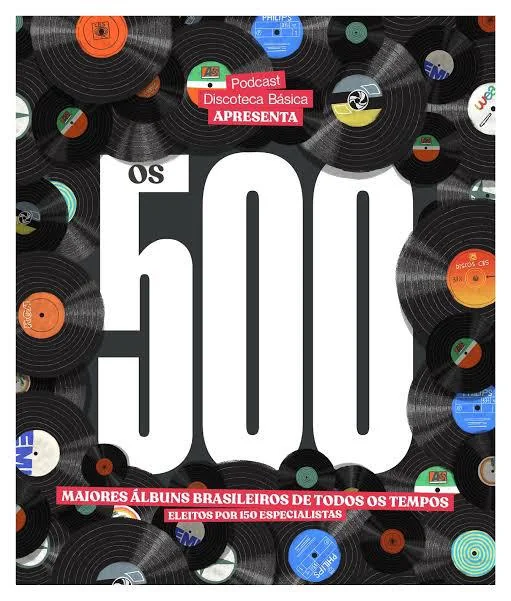
Os 500 Maiores Álbuns Brasileiros de Todos os Tempos
Ricardo Alexandre · 2022
The largest Brazilian music election ever conducted: 162 specialists, spanning journalists, critics, musicians, producers and podcasters, each nominated 50 essential albums, supported by a masterlist of more than 2,000 works. Led by Ricardo Alexandre with tabulation by Sérgio Jomori, it was published in December 2022 as a 200-page hardcover book with graphic design by Fernando Pires.
João Donato, Quem é quem
Charles Gavin, João Donato, Marcos Valle, Lysias Ênio, Laércio de Freitas · 2015
The complete interviews with João Donato, Marcos Valle, Lysias Ênio and Laércio de Freitas for Charles Gavin and O Som do Vinil, about the trajectory, inspiration and recording of the classic LP "Quem é quem" (EMI, 1973).
Quem é quem (1973)
João Donato · 2014
This book, whose title and year exactly coincide with João Donato's album, is a work directly related to the 1973 album 'Quem é Quem', likely an in-depth analysis, a critical essay, or complementary material about its creation and impact.
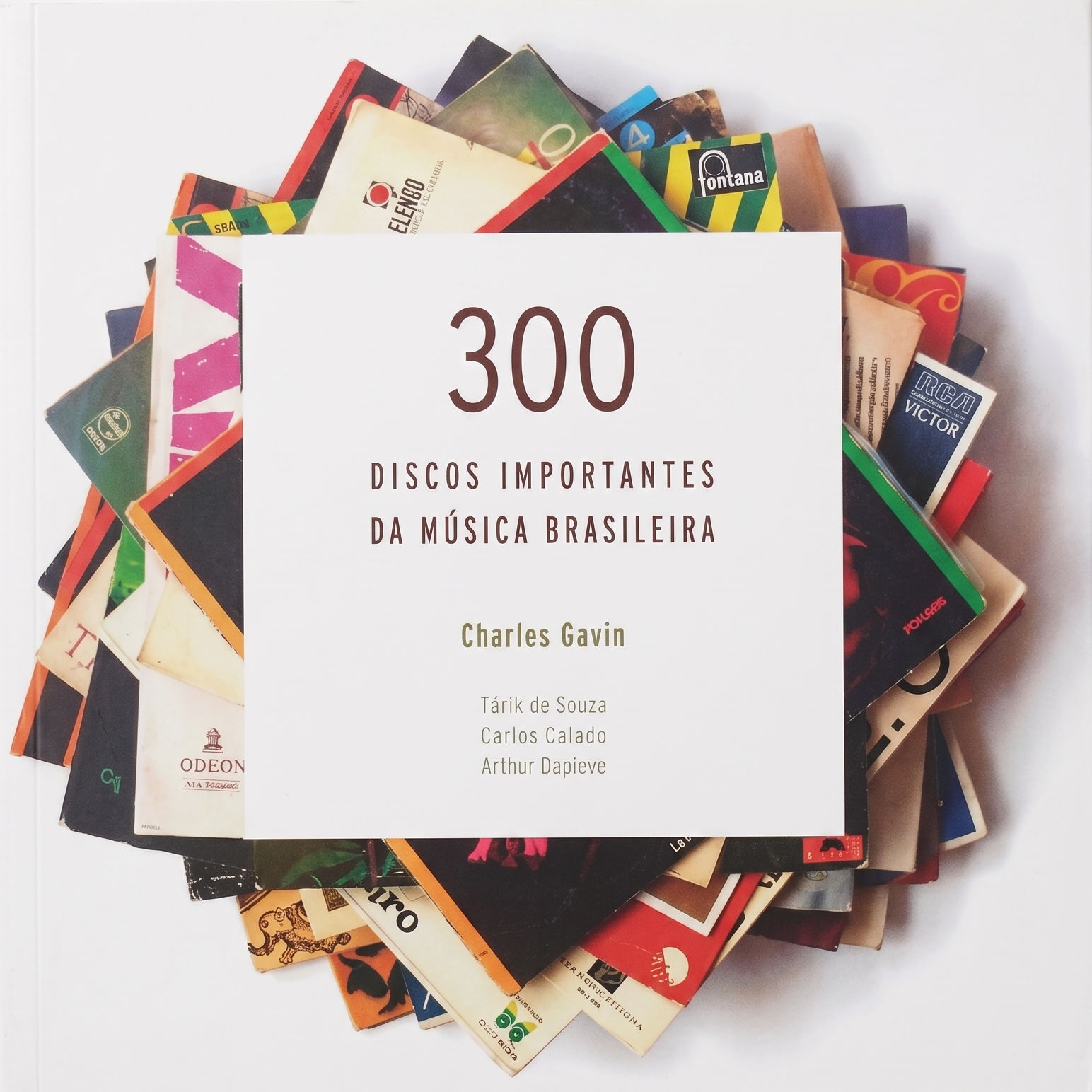
300 Discos Importantes da Música Brasileira
Charles Gavin, Tárik de Souza, Carlos Calado, Arthur Dapieve · 2008
Conceived by Titãs drummer and musical researcher Charles Gavin, the 434-page book brings together covers and reviews of albums released between 1929 and 2007. The texts were written by journalists Tárik de Souza, Arthur Dapieve and Carlos Calado.
Analyses
Quem é Quem – Wikipedia
Wikipedia, the free encyclopaedia
Quem é Quem – The 100 Greatest Albums of Brazilian Music
Bruno Natal · Rolling Stone Brasil
Donato allows himself to sing, inaugurating an unmistakable style.

MUSICA&SOM: João Donato - Quem é quem (1973)
tabernanovostempos.blogspot.com
A great Samba Groove album, featuring only top-tier musicians and arrangers, beautiful Fender Rhodes timbres, well-crafted grooves and beautiful harmonies, as well as uplifting, high-spirited lyrics. Highly recommended.
Quem é quem - HojePR
hojepr.com
Believe it or not, it was one of the best shows I've ever seen/heard, thanks to João Donato's charisma and genius. Most of the songs were from the album "Quem é Quem", which is João Donato's tenth album, released in 1973 by the Odeon label with production by Marcos Valle and Milton Miranda.
Álbum que deu voz a João Donato, 'Quem é quem' completa 50 anos ... - G1
g1.globo.com
In 1973, when he released the album Quem é Quem through Odeon, the label that had released Chá dançante 17 years earlier, Donato was already a recognised modern composer and musician.