Brasil
João Gilberto, Caetano Veloso, Gilberto Gil, Maria Bethânia
1981
Rankings
Why This Album Matters
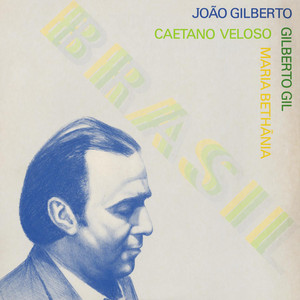
Brasil is a seminal album released in October 1981, marking a historic encounter between João Gilberto, the unquestionable master of bossa nova, and three of the most prominent figures of Tropicalismo and MPB: Caetano Veloso, Gilberto Gil and Maria Bethânia. This ninth studio work by João Gilberto transcends mere collaboration, representing a fusion of generations and aesthetics that reveres the roots of Brazilian music whilst projecting it with a modern and sophisticated sensibility. The album was well received by critics, being considered one of the best in João Gilberto's extensive discography. In this project, the unmistakable jazz and bossa nova style, characteristic of Gilberto's previous works, gains new nuances with the inclusion of orchestral arrangements and elements of Música Popular Brasileira, all under his own production. João's interpretive subtlety intertwines with the voices of the 'baianos', creating a musical atmosphere that is both intimate and grand, demonstrating Brazilian music's ability to evolve without losing its essence. Listening to Brasil reveals Gilberto's mastery in every chord and silence, consolidating his reputation as one of the country's most important artists.
Context
The album Brasil emerged against a backdrop of political transition in Brazil, with the country moving towards the end of the military dictatorship, a period when the Tropicalismo movement had arisen as a subversive and innovative force. João Gilberto, already acclaimed for his fundamental contribution to bossa nova and his influence on successive generations of musicians, joined Caetano Veloso, Gilberto Gil and Maria Bethânia, artists who openly admired him and who were pillars of Tropicalismo, incorporating rock and psychedelia into Brazilian music. The 1981 recording sessions were notable for the unique confluence of styles. The voices of Gilberto, Veloso and Gil harmonise in unison, while Maria Bethânia's participation stands out for an unusual interpretation for her Tropicalista style, devoid of her usual shouts, moans and dramatic flair, adopting a more restrained technique closer to the bossa nova essence.
Recording
The album Brasil was carefully produced by João Gilberto himself. The recording was an extensive process, taking nine months to be completed. The arrangements and conducting were handled by the renowned Johnny Mandel, who brought orchestral sophistication to the album's sound. Gerald Vinci served as concertmaster, while Julie Sayers was responsible for coordination. The recording sessions took place in studios in both Brazil and the United States. The work was carried out at SIGLA Studios in Rio de Janeiro, and at Britannia Studios and Sounds Good Recordings in Los Angeles. The recording and mixing engineering team included Celio Martins and Joel Moss, assisted by Eduardo Remalho and Russ Bracher. Digital mastering was the responsibility of Lee Herschberg, with art direction and design by Rogério Duarte and photography by Rogério Sganzerla.
Songs
Comprising six songs, the album Brasil presents a selection that blends Brazilian music classics and jazz-infused versions. One of the major highlights is the interpretation of "Aquarela do Brasil" by Ary Barroso, one of the most celebrated Brazilian compositions of all time. The track is a tribute to the country's exuberance and cultural diversity, gaining a unique texture in the voice of João Gilberto and his guests. Another notable song is "Disse Alguém", a Portuguese version of the jazz classic "All of Me" by Gerald Marks and Seymour Simons. The Portuguese lyrics were written by Haroldo Barbosa, who had previously collaborated with Gilberto on his earlier album, Amoroso. The repertoire also includes "Bahia com H" and "No Tabuleiro da Baiana" by Ary Barroso, "Milagre" by Dorival Caymmi, and "Cordeiro de Nanã" by Dadinho and Mateus.
Legacy
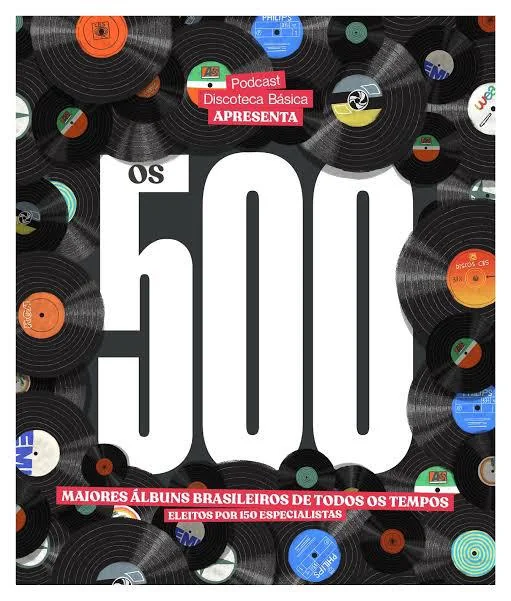
Brasil was critically acclaimed, widely considered one of João Gilberto's best works, despite being recorded during a period that some critics pointed to as less productive for the artist. Scott Yanow, from Allmusic, praised the album for its "moments of interest", highlighting the Brazilian version of "All of Me" and Johnny Mandel's arrangements, as well as the vocal contribution from Caetano, Gil and Bethânia. He rated the CD version with the maximum score of 5 stars, underlining "Aquarela do Brasil" as a highlight and stating that the album contained "some of João Gilberto's best post-1970 recordings". The project was recognised as quite creative, even within João Gilberto's career phase at the time, with mention that he remained an introverted and solitary figure, seen as eccentric. The relevance of Brasil extends to the present day, with the album being part of the prestigious list of "500 greatest Brazilian music albums", a poll conducted by the Discoteca Básica podcast in 2022. The album was re-released as a CD version on 14 September 1993, together with the 1977 album Amoroso.
Tracks
Credits
Johnny Mandel
Andre Midani, Guto Graça Mello, Krikor Tcherkesian
João Gilberto
João Gilberto
Jim Hughart
Joe Correro
Bud Shank, Eddie Cainf, Glen Garrett, Harry Klee
Stella Castellucci
Clare Fischer
Paulinho Da Costa
Milcho Leviev
Eduardo Ramalho, Russell Bracher
Célio Martins, Joel Moss
Julie Sayers
Rogério Duarte
Rogério Sganzerla
Videos
10 Discos que Mostram Por Que Roberto Carlos É o Rei do Brasil
Vinilteca
Films

Books
Analyses
Brasil – Wikipedia
Wikipedia, the free encyclopaedia

1981 - Brasil - João Gilberto, Caetano Veloso, Gilberto Gil e Maria ...
caetanoefoda.blogspot.com
The idea for Brasil (1981) emerged when João Gilberto sang Aquarela do Brasil by Ary Barroso with Gilberto Gil and Caetano Veloso in a hotel room in Higienópolis, São Paulo, in 1979.
Gilberto/ Veloso / Gil / Bethânia - Brasil | Review - Rock Salted
rocksalted.com
Every one of the top billed musicians on this collaborative album Brasil was associated with the (intellectual/middle class) political left — Veloso and Gil were jailed and/or exiled by the junta for a time and Gilberto went into self-imposed exile too.
Brasil (Curta 1981) - Avaliações de usuários - IMDb
imdb.com
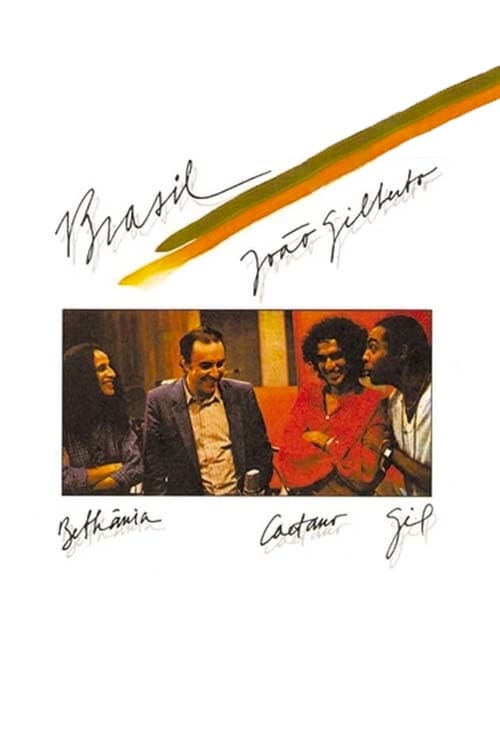
Nostalgic images from the past, 1940's, Welles visiting Rio, great soundtrack, and music stars Gilberto Gil, Caetano Veloso, Maria Bethânia and João Gilberto united to record "Brasil" in 1981.
Brasil » revista USINA
revistausina.com
Short film from 1981, written, directed, and produced by filmmaker Rogeério Sganzerla, in celebration of the tenth album on the fiftieth anniversary of João Gilberto's birth.