João Gilberto
João Gilberto
1973

Rankings
Why This Album Matters
Released in 1973, João Gilberto is a landmark in the artist's discography, considered his most psychedelic work. The album stands out for its minimalist instrumentation, centred solely on his voice and guitar, with Sonny Carr's sparse percussion, giving the record a hypnotic and immersive feel. This particular sound was strongly influenced by João Gilberto's contact with Novos Baianos at the time, a musical exchange that also resulted in the group's acclaimed album Acabou Chorare (1972). Gilberto was able to absorb this atmosphere, creating a work that, while essentially bossa nova in its essence, transcends genre expectations with a singular approach.

João sings and plays to unveil harmonic and rhythmic nuances hidden in the songs, and moves.
Ramiro Zwersch · Rolling Stone Brasil
Context
Before this album, João Gilberto had already released another work under his own name in 1961, as well as several EPs also titled with his name. The recording period for João Gilberto was marked by a fruitful interaction with the group Novos Baianos, demonstrating an exchange of influences that would shape both the sound of Novos Baianos and Gilberto's own artistic direction during his more introspective phase.
Recording
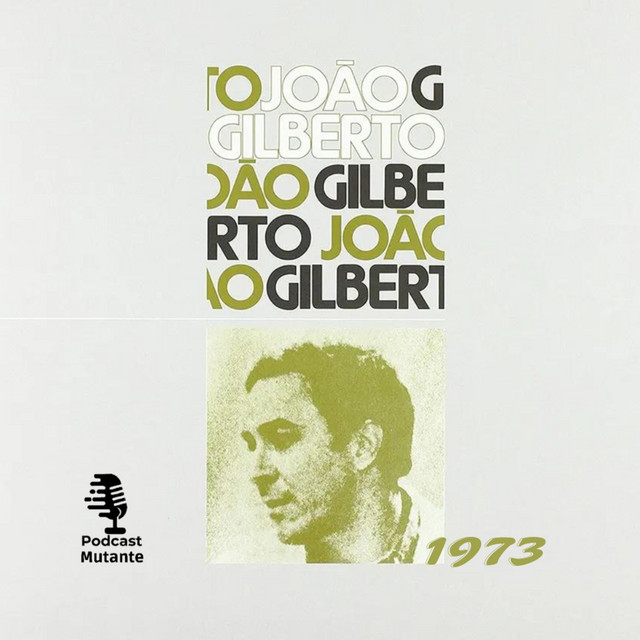
The album's recording featured the notable participation of Wendy Carlos, who served as sound engineer and was also responsible for the project's mixing. Production direction was handled by Rachel Elkind, with production coordination by Sue Cassidy Clark. The original LP's technical specifications also credit Joaquim Figueira for the disc mastering. The cover, developed by Lobianco, is frequently referred to as an allusion to The Beatles' White Album (1968), which led the work to be informally known as João Gilberto's 'white album'.
Songs
The album's repertoire is a rich tapestry of Brazilian music, featuring compositions by renowned artists alongside works by João Gilberto himself. Notable tracks include Tom Jobim's "Águas de Março", Ary Barroso's "Na Baixa do Sapateiro", and Gilberto Gil's "Eu Vim da Bahia", in addition to Caetano Veloso's "Avarandado". João Gilberto himself contributes the original compositions "Undiú" and "Valsa (Como são Lindos os Youguis)", while the track "Izaura" features Miucha on backing vocals.
Legacy
João Gilberto's importance has been recognised over the years, with the album being included in significant musical reference lists. In 2007, the album reached the 47th position on Rolling Stone Brasil's list of the 100 greatest Brazilian music albums.
Tracks
Credits
Rachel Elkind
Wendy Carlos
Miucha
Sonny Carr
João Gilberto
Joaquim Figueira
Sue C. Clark
Lobianco
Podcasts

Heat Rocks · MaximumFun.org
The Album: João Gilberto João Gilberto (1973) Before the summer got away from us, we wanted to record one more episode for the season and we invited a guest to pick the perfect LP for the end of the summer. We were not disappointed... João Gilberto was as integral to Brazil’s bossa nova movement as Ray Charles was to soul or Run DMC was to hip-hop; it’s impossible to imagine its sound and style wi

Brazuca Sounds · Leandro Vignoli
In episode #14, we talk about João Gilberto's self-titled album released in 1973. The Architect of Bossa Nova, according to the New York Times "his work became a sign of the relative prosperity, optimism, and romance of Brazil in the late 1950s, and thereafter an ideal of musical restraint and mystery." Joao Gilberto (1973), also known as the "white album", for his more experimental tone, is João
PODCAST MUTANTE · Bode da Mutante
1973: O Som de uma Era Brasileira - Edição limitada – 50 anos, o melhor de 1973 Embarque conosco em uma viagem musical única e nostálgica de volta a 1973, um ano repleto de música que marcou gerações no Brasil. Nosso programa especial, intitulado '1973: O Som de uma Época Brasileira', mergulhará fundo nos álbuns que definiram aquele momento no cenário musical brasileiro. Exploraremos os 50 álbuns
Videos
Melhor Disco de Música Brasileira: João Gilberto (1973) | Contexto histórico, músicas e curiosidades
Discos inteiros
3000 Best Albums [2022] João Gilberto - João Gilberto (1973) Dan's Mini Album Review
Dan's Mini Album Reviews
Films


Books
Os 500 Maiores Álbuns Brasileiros de Todos os Tempos
Ricardo Alexandre · 2022
The largest Brazilian music election ever conducted: 162 specialists, spanning journalists, critics, musicians, producers and podcasters, each nominated 50 essential albums, supported by a masterlist of more than 2,000 works. Led by Ricardo Alexandre with tabulation by Sérgio Jomori, it was published in December 2022 as a 200-page hardcover book with graphic design by Fernando Pires.

Amoroso: uma biografia de João Gilberto
Zuza Homem de Mello · 2021
This is a comprehensive biography of João Gilberto, written by Zuza Homem de Mello, one of Brazil's most renowned music critics and historians. The work traces the complete trajectory of the 'father of bossa nova', covering his life, career, and the impact of his discography, including the eponymous album from 1973.
Analyses
João Gilberto – Wikipedia
Wikipedia, the free encyclopaedia
João Gilberto – The 100 Greatest Albums of Brazilian Music
Ramiro Zwersch · Rolling Stone Brasil
João sings and plays to unveil harmonic and rhythmic nuances hidden in the songs, and moves.
vinylfanatics.com - Vinyl Record Reviews, News and Forum
vinylfanatics.com
By 1973, João Gilberto had already shattered the musical world twice over, so what was left for the bossa nova pioneer to prove? Plenty, as it turns out. His self-titled album that year - often referred to as the "White Album" for its stark cover - finds the Brazilian master in a contemplative mood, stripping his revolutionary style down to its bare essence and emerging with something ...

MUSICA&SOM: João Gilberto - "João Gilberto" (1973)
tabernanovostempos.blogspot.com
She was destined to become a singer. The sad 'É Preciso Perdoar' and the amusing samba-chronicle 'Izaura', the only track on which he shares vocals – which he did extremely well with Miúcha, Bebel's mother and his then-wife – conclude this unparalleled album within Brazilian music due to its simplicity and cohesion.
João Gilberto - Joao Gilberto Review | All About Jazz
allaboutjazz.com
Read the All About Jazz review of João Gilberto by Joao Gilberto (1973). Expert analysis, ratings, and insight into one of jazz's finest recordings.