Documento Sertanejo
João Pacífico
1980

Rankings
Why This Album Matters
Documento Sertanejo, released in 1980, represents a singular milestone in the vast and influential career of João Pacífico, one of the greatest poets of Brazilian 'caipira' music. This album is notable for being the only one in which the composer himself, a generally discreet figure averse to the spotlight, performs his own songs, offering the public an intimate and authentic vision of his work. Considered a rare and essential recording, the album delves into the true essence of 'sertaneja' and 'cabocla' music, a genre that Pacífico helped shape and immortalise with his compositions. Through his characteristic, guttural and extremely deep voice, João Pacífico revisits some of his greatest hits and verses, accompanied by Tião do Carro's virtuoso viola and the ensemble "Os Macambiras", comprising viola, mandolin and acoustic guitars. The album's organic and traditional sound highlights the purity of his narratives and melodies, which transcend the apparent simplicity of country music to touch upon universal themes of 'sertanejo' life and love. It is a direct testament to the art of a creator who, for decades, lent his poetry to countless performers, but who, in this specific work, shares his own musical soul.
Context
João Batista da Silva, known as João Pacífico, was born in 1909 and led a life marked by the contrast between a rural childhood and the search for opportunities in the city. From an early age, he showed artistic talent, reciting poetry and singing. Although he never formally learned music or played many instruments beyond the drums in his adolescence, his keen ear and poetic sensibility led him to become a prolific composer. His career gained momentum from 1933, with his meeting and fruitful partnership with Raul Torres, which resulted in the creation of a new style for 'sertaneja' music, the 'toada histórica'. João Pacífico composed over 256 songs recorded by various artists, from Raul Torres to Chitãozinho e Xororó, always maintaining a discreet profile. In 1980, at almost 71 years old and celebrating 50 years of artistic life, he finally recorded his "only-child album", Documento Sertanejo, as a tribute to his own career.
Recording
The album Documento Sertanejo was recorded in 1980 and released by the Berrante/WEA label. This production, described as almost independent, had the particularity of featuring João Pacífico performing his own compositions, something rare in his career as a composer. For this authentic recording, he was accompanied by Tião do Carro's virtuoso viola and the ensemble "Os Macambiras", which included viola, mandolin and acoustic guitars. This traditional and acoustic instrumentation reinforces the album's 'raiz' (roots) sound, capturing the essence of 'caipira' music, of which Pacífico was one of the greatest exponents.
Songs
Documento Sertanejo compiles some of João Pacífico's greatest hits, performed by himself, revealing the depth and poetry of his lyrics. Among the notable tracks, the album includes classics such as "Chico Mulato", "Cabocla Tereza" and "Pingo D'Água", songs that became icons of the 'sertanejo' and 'caipira' genres. The inclusion of "Três Nascentes" also offers a unique opportunity to hear his striking voice in one of his compositions. João Pacífico is recognised as the creator of the "toada histórica", a style in which a long, recited introduction preceded the sung part of the song. This narrative technique, present in many of his works, including the iconic "Chico Mulato", allowed for the development of the plot and prepared the listener for the emotion of the music. The lyrics are rich in details of rural everyday life, loves and challenges, sung with the unique expressiveness of his guttural and extremely deep voice.
Legacy
Documento Sertanejo, despite being the only album on which João Pacífico sings his own works, has become a phonographic rarity, currently out of catalogue and without CD reissues. This scarcity elevates it to the status of a collector's item and a historical document for Brazilian music. One of its tracks, "Três Nascentes", was even included in the "História da Música Popular Brasileira" collection by Editora Abril, attesting to its cultural value and the importance of Pacífico's vocal recording. The album, released as a celebration of his 50 years of artistic life, serves as an enduring testament to the genius of João Pacífico, whose compositions have been recorded by countless artists and continue to influence generations. His work, and by extension this album, cemented his status as a "bulwark of 'caipira' music", a friend of figures such as Mário de Andrade and Guilherme de Almeida, and one of the greatest poets of the 'sertão', whose serenity earned him the nickname "Pacífico".
Tracks
Books
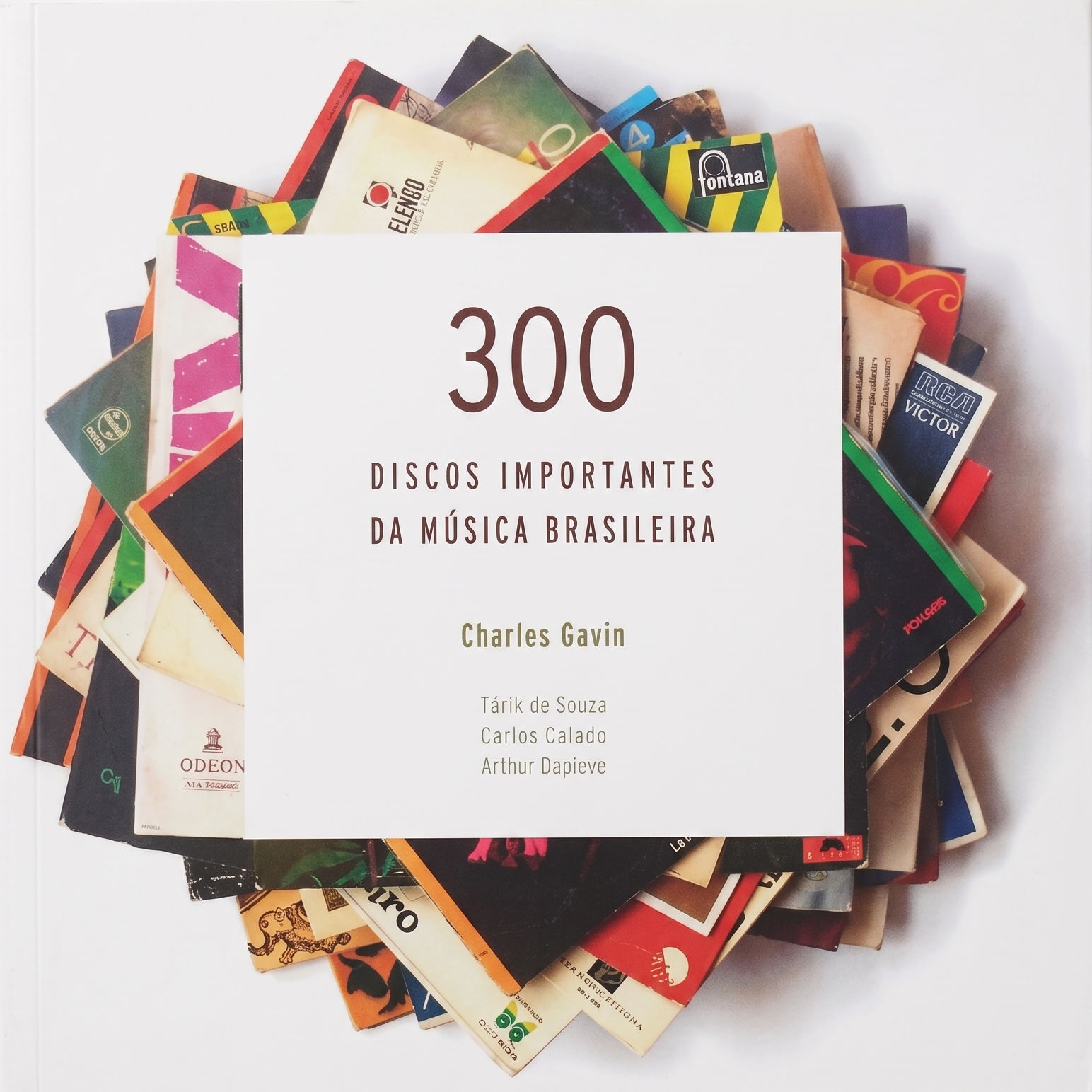
Analyses
João Pacífico - Série Documento Sertanejo (1980) | Toque Musical
toque-musicall.com
A truly essential album as a record of an artist and an authentic, national genre. I'm talking here about true música sertaneja and one of the artists, a composer, who best represents this genre, João Pacífico, composer and partner of another great, Raul Torres.
Documento Sertanejo | João Pacífico
joao-pacifico.bandcamp.com
Released in 1980 under Berrante, this LP feels like dust on a sun-warmed windowsill — quiet, persistent, kinda comforting if you're in the right mood. The guy's real name was João Baptista da Silva.
João Pacífico - Documento Sertanejo [1980 Berrante]
memoriadiscos.com.br
João Pacífico - Documento Sertanejo (Vinyl LP) [1980 Berrante]

Vale do Caipira: João Pacífico - Série Documento Sertanejo (1980)
valedocaipira.blogspot.com
João Pacífico - Série Documento Sertanejo (1980) João Batista da Silva was born in Cordeirópolis-SP on 05/08/1909. He had a very short country life, moving to the city at the age of seven.