O Som e a Música de João Pernambuco
João Pernambuco
1979

Rankings
Why This Album Matters
The album O Som e a Música de João Pernambuco, released in 1979, is an essential compilation that retrieves and celebrates the work of one of the greatest guitarists and composers in the history of Brazilian music. João Pernambuco, who passed away in 1947, was a seminal figure in the consolidation of solo guitar in Brazil and one of the pillars of choro, bringing to his music the richness of Northeastern traditions and the sophistication of Rio de Janeiro's urban genres. This record is a gateway to the unique language he created for the instrument, characterised by its lyrical expressiveness and innovative technique. Through this collection of historical recordings, the album allows the contemporary listener to delve into the musical universe of an artist who, with his genius, built bridges between the rural and the urban, the popular and the erudite. It is an opportunity to experience the depth and originality of his compositions, which became canons in the Brazilian guitar repertoire, influencing countless generations of musicians.
Context
João Teixeira Guimarães, known as João Pernambuco, was born in 1883 in the Pernambucan hinterland and moved to Rio de Janeiro in 1902, seeking opportunities. In the then federal capital, he worked as a labourer and blacksmith, but dedicated his evenings to music, frequenting choro circles and musical gatherings that would shape his career. His trajectory is an example of the rise of popular talents in Rio de Janeiro's effervescent cultural scene of the early 20th century. When he passed away in 1947, João Pernambuco had not recorded an LP, only 78 rpm singles in the 1920s and 1930s. The 1979 album, therefore, is a posthumous effort by the Continental record label to compile and immortalise his recordings and those of other guitarists who interpreted his compositions, ensuring that his valuable contribution would not be lost to time.
Recording
O Som e a Música de João Pernambuco is a collection of recordings made across different periods. The first ten tracks feature João Pernambuco himself on guitar, accompanied by Zezinho, also on guitar, in original recordings from 1929 by the Columbia record label. Complementing this overview, the album includes two emblematic interpretations by Dilermando Reis. These tracks were recorded between 1952 and 1953 by Continental, offering a perspective on the continuity and reverberation of João Pernambuco's work through one of his most notable interpreters and successors.
Songs
The twelve compositions present on the album are a testament to João Pernambuco's virtuosity and sensibility. Classics such as "Interrogando" demonstrate his profound connection with Afro-Brazilian rhythms, being notable for its percussive character and its relation to jongo practices. Other striking pieces, such as "Sons de Carrilhões", are considered fundamental works in Brazilian guitar, reflecting the composer's melodic and harmonic richness. The repertoire also includes choros, jongos, and waltzes such as "Magoado", "Dengoso", and "Sonho de Magia", which illustrate the diversity of his style and his ability to fuse elements of Northeastern folklore with urban musical forms.
Legacy
Considered one of the 100 best Brazilian music albums, O Som e a Música de João Pernambuco played a crucial role in preserving and disseminating the work of the master guitarist. The compilation ensured that his historical recordings and the richness of his compositions remained accessible and continued to inspire. João Pernambuco's impact on subsequent generations of musicians was immense. He influenced great names such as Dilermando Reis, Luiz Bonfá, Raphael Rabello and Turíbio Santos. Heitor Villa-Lobos himself expressed great admiration for his work, even stating that Johann Sebastian Bach would not be ashamed to sign João Pernambuco's studies, a testament to the high artistic value of his contribution to Brazilian music.
Tracks
Credits
Dilermando Reis, João Pernambuco, Zezinho
Books
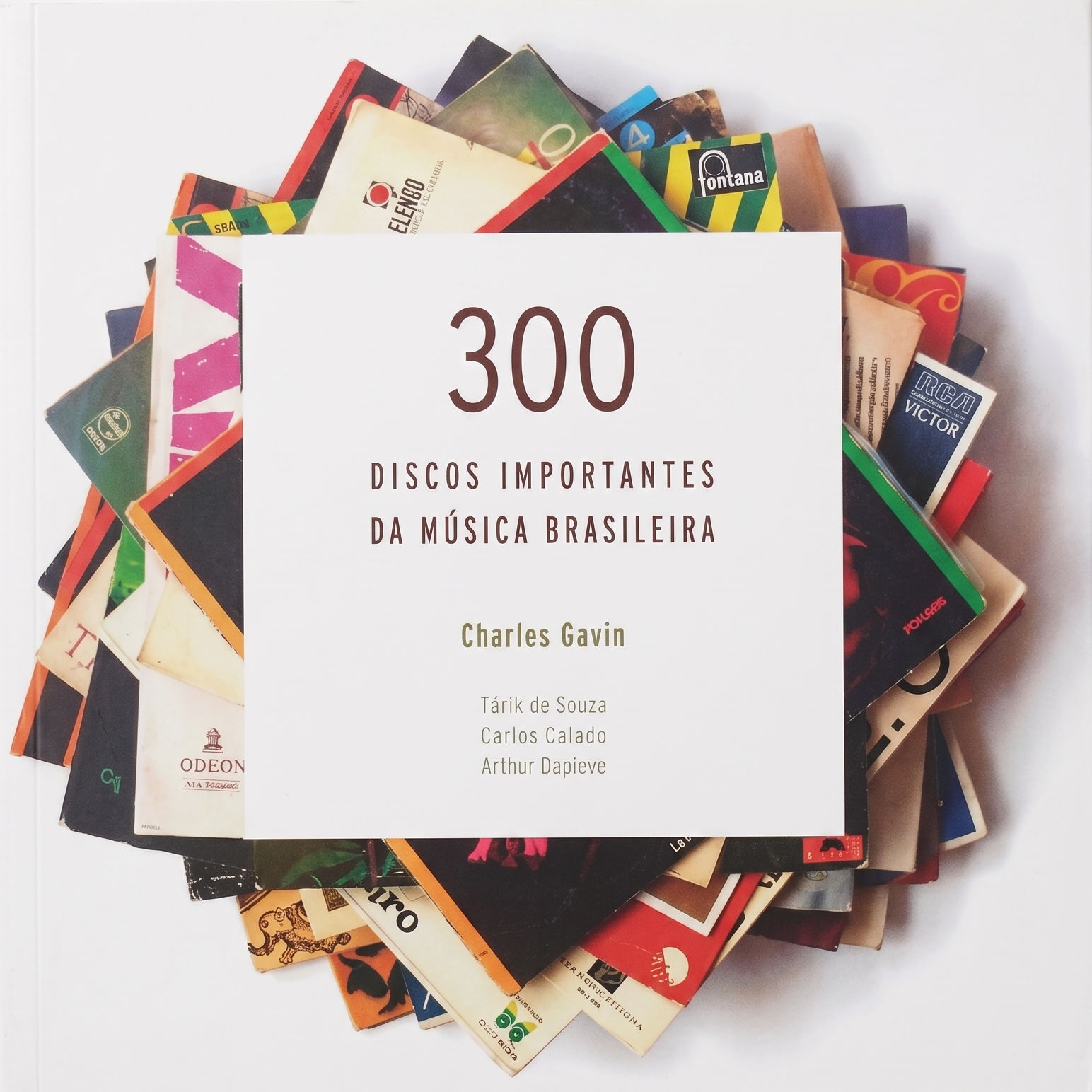
Analyses
Acervo produz dossiê sobre João Pernambuco
violaobrasileiro.com.br
Caio Cezar's CD, in turn, represents the first experience of recording João Pernambuco for solo guitar, including previously unreleased songs such as Brejeiro and Cecy.

70 ANOS SEM JOÃO PERNAMBUCO ~ Musicaria Brasil
musicariabrasil.blogspot.com
The following year, he released a series of records for Columbia, interpreting ten of his works, revived on the 1979 LP O Som e a Música de João Pernambuco - edição histórica (Continental), with the addition of two recordings by violinist Dilermando Reis, Sons de Carrilhões and Interrogando, both by João Pernambuco.