Força Bruta
Jorge Ben Jor
1970

Rankings
Why This Album Matters
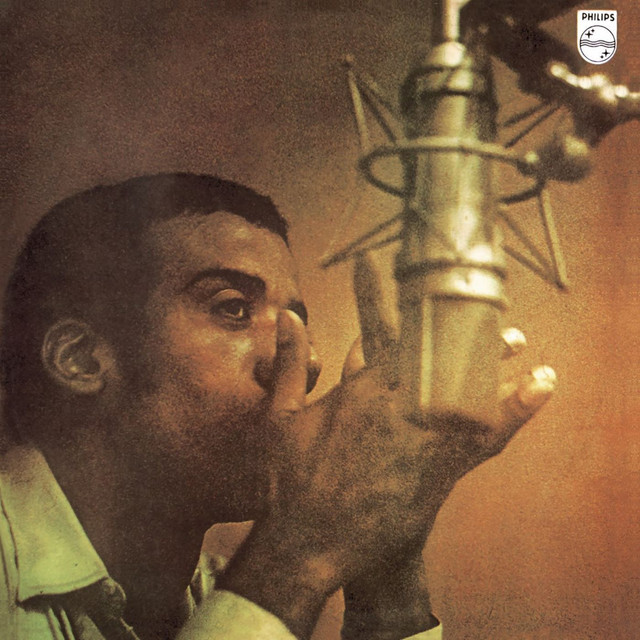
Força Bruta, Jorge Ben's seventh studio album, released in 1970, represents a fundamental landmark in Brazilian music. Recorded with the legendary Trio Mocotó, the album innovated by introducing an acoustic samba-based sound, characterised by a softer, darker, and less ornate tone than his previous works. This album not only consolidated Ben as a prominent artist in the Tropicalia movement, but also pioneered a unique style that would become known as samba-rock. Its relevance is undeniable, being acclaimed both commercially and critically. In 2007, Rolling Stone Brazil magazine elected it as the 61st greatest album in Brazilian music, reaffirming its place in the pantheon of national classics. The album's re-release in the United States, also in 2007, by the Dusty Groove America label, broadened its international recognition, demonstrating the timelessness and lasting impact of its musical proposition. With an innovative fusion of samba, soul, funk, and unconventional rhythmic elements, Força Bruta transcended the barriers of time and language, continuing to influence artists and captivate audiences decades after its original release. It is a work that demonstrates Jorge Ben's compositional and interpretative genius, establishing itself as one of the pillars of MPB.

His acoustic guitar is joined by the percussion of Trio Mocotó, who, legend has it, learned all the songs during just three studio sessions in which the album was recorded.
Marcus Preto · Rolling Stone Brasil
Context
In 1969, after a four-year hiatus, Jorge Ben returned to Philips Records and recorded his self-titled album, which featured Trio Mocotó as his backing band. The singer had met the vocal and percussion group during a tour of São Paulo's nightclub circuit in the late 60s. The commercial success of this album created an intense schedule for Ben and Trio Mocotó, a "hectic" period which, according to critics, may have contributed to the relaxed atmosphere of the Força Bruta recording session. The release of Força Bruta in September 1970 occurred at a time of profound political tension in Brazil, under the military dictatorship. This historical backdrop lends an additional layer of meaning to the album's title, "Força Bruta" (Brute Force), which, for some observers, carries a subtle irony considering the dictatorial scenario and the generally gentle rhythm of the songs.
Recording
The 1970 recording of Força Bruta, which brought together Jorge Ben and Trio Mocotó, was characterised by a spontaneous, nocturnal approach. Most of the songs were not rehearsed beforehand, aiming to capture the atmosphere and improvisation developed in the studio. Ben Jor would first record his vocals, with the instrumental accompaniment then being recorded. He used his acoustic guitar, notably a ten-string viola caipira on tracks such as "Apareceu Aparecida" and "Mulher Brasileira", and even a tuning fork, stimulated with his mouth, to produce sounds reminiscent of a harmonica. Trio Mocotó, for their part, dedicated themselves to developing a distinct rhythm that conversed with the rock, or "ye-ye-ye", of Ben's guitar. They incorporated various percussion instruments, including the atabaque and bell cymbals. On "Charles Jr." and other tracks, João Parahyba used his sister's toy train whistle, breaking it in the process, which demonstrates the experimentation and creativity present in the session. Although the string and horn sections were included in the final mix, they were not credited on the album's packaging, which was recorded at C.B.D. studios in Rio de Janeiro and Scatena in São Paulo.
Songs
The sound of Força Bruta is permeated by a feeling of melancholy, as observed by scholars of Brazilian music, who describe the compositions as samba, samba-lamento, or "samba-banzo". The album distances itself from the carefree sensibility of Ben's previous works, featuring a more prominent guitar, "more intimate" vocals, and a "crisp, folkloric tone" on opening tracks such as "Oba, Lá Vem Ela" and "Zé Canjica". The songs are notably longer and groovier, experimenting with unconventional percussion arrangements that create striking rhythmic contrasts between Trio Mocotó and Ben's instruments. Força Bruta's lyrics delve into themes of romantic passion, melancholy, and sensuality, with central female figures in songs such as "Mulher Brasileira", "Terezinha", and "Domênica Domingava". Furthermore, the album marks a departure from the lyrical lightness of past releases, exploring issues of identity politics and elements of postmodernism. In "Mulher Brasileira", there is a celebration of women, while in "Charles Jr.", Ben delves into his identity as an artist and as a Black man, with the narrator proclaiming his African heritage. Ben's singing offers contrasts and qualities of funk and soul, with his characteristic laments and grunts, alongside a newfound rustic texture in his voice. On tracks like "Zé Canjica" and "Charles Jr.", he improvises phrases as rhythmic accompaniment, and appropriates thematic devices from popular imagination, comparing verses to ciranda songs in "Apareceu Aparecida" and "Pulo, Pulo".
Legacy
Força Bruta was an immediate success, reaching the top 10 in Brazil and spawning the singles "O Telefone Tocou Novamente" and "Mulher Brasileira". Its success solidified Jorge Ben as a fundamental artist in the Tropicalia movement. The fusion of Trio Mocotó's groove with Ben's unique guitar defined what critics and musicians would come to call samba-rock, a genre that the album helped to pave the way for. Its soul and funk elements guaranteed it a respected place among enthusiasts and rare record collectors. Força Bruta's impact extended beyond Brazilian borders, with its 2007 re-release by Dusty Groove America, which led to even greater recognition. Renowned artists such as Beck Hansen and Andrew Bird have cited it as one of their favourite albums, demonstrating its lasting influence. Retrospectively, critics such as John Bush of AllMusic considered it one of Ben's best works, highlighting its "marvellous acoustic groove". The work is celebrated for its originality, organic vibrancy and vivid spontaneity, transcending language and era to remain a "cool classic of Brazilian modernism".
Tracks
Credits
Manoel Barenbein
Trio Mocotó
Joaquim Figueira
Ary Carvalhaes, João Kibelkstis, João Moreira
Lincoln Nogueira
Ricardo Cumptich
Podcasts
PodCália · Gigola
No primeiro episódio do “Especial anos 70” do PodCália, o ano é “1970”.O disco é: “Força Bruta”, de “Jorge Ben Jor”.
Books
Analyses
Força Bruta – Wikipedia
Wikipedia, the free encyclopaedia
Força Bruta – The 100 Greatest Albums of Brazilian Music
Marcus Preto · Rolling Stone Brasil
His acoustic guitar is joined by the percussion of Trio Mocotó, who, legend has it, learned all the songs during just three studio sessions in which the album was recorded.

Analisando Discografias - Jorge Ben Jor: Parte 2
obrenno.blogspot.com
Furthermore, the album showcases a contagious energy and Jorge's ability to create songs that invite dancing and celebration. Speaking of which, the tracklist is excellent, and the songs are fun and more geared towards a festive atmosphere. Ultimately, it's an incredible album, which concluded his golden phase.

"Força Bruta". Discão do Jorge Ben Jor, 1970.
colunademusica.wordpress.com
An album that starts with Oba, Lá Vem Ela already deserves special attention. Força Bruta is one of the highlights of the Salve Jorge box set. It was the first to be entirely recorded alongside Trio Mocotó (João Parahyba on drums, Fritz on cuíca, Nereu Gargalo on pandeiro).
Ouça na íntegra Força Bruta, lançado em 1970, do mestre Jorge Ben Jor!
nanu.blog.br
Força Bruta by the master Jorge Ben Jor was released in 1970 and is the singer's seventh studio album. It is also the second of his career in partnership with Trio Mocotó and presents the essence of samba rock with cuíca, percussion, pandeiro, and acoustic guitar.