Jovelina Pérola Negra
Jovelina Pérola Negra
1986
Rankings
Why This Album Matters
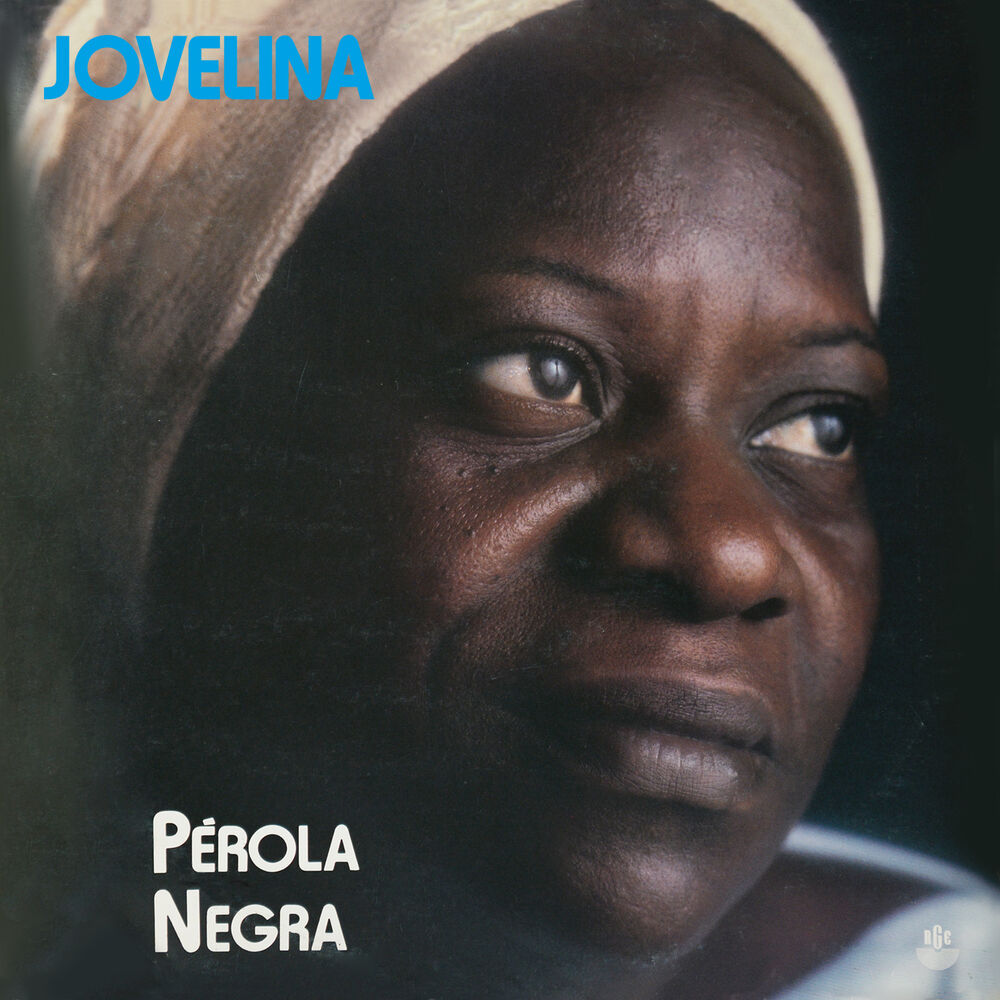
The album Jovelina Pérola Negra, released in 1986, is a fundamental landmark in the history of pagode, propelling the rise of the genre that would dominate the Brazilian music scene in the 80s and 90s. With a spontaneous, uninhibited and incredibly confident musicality, Jovelina Pérola Negra established herself as one of the great ladies of samba, with a husky, powerful and popular-toned voice, that evoked a rich Afro-Brazilian ancestry. This solo debut work solidified Jovelina's image as a strong-willed *partideira* with a striking vocal, without the need for excessive studio polishing. Her memorable performances, filled with authenticity and *ginga*, are the essence of the album, offering a vivid panorama of the samba and *partido alto* that thrived in the Rio de Janeiro suburbs. The album not only introduced a unique artist to Brazil, but also became a pillar in the construction of the sound and identity of pagode of that era, standing out for its interpretive strength and the truth contained in every note.
Context
Before her first solo album, Jovelina Pérola Negra was already an active figure in the pagode circles of Rio's suburbs and on samba school courts, as a *pastora* of Império Serrano. Her prominence to the wider public began in 1985, when she participated in the compilation Raça Brasileira, an album considered the cornerstone for the consolidation of Rio de Janeiro's new generation of samba, then labelled as pagode. The artist, who worked as a domestic helper before her musical ascent, had her artistic career encouraged by Adelzon Alves already at the age of 40, which demonstrates a trajectory of persistence and talent that culminated in this crucial release.
Recording
The production and direction of the album Jovelina Pérola Negra were by Milton Manhães, with arrangements and conducting by Mauro Diniz, important names in the samba scene. Recording and mixing took place at Transamérica Studios in Rio de Janeiro. Cláudio Farias and Laci Moraes acted as recording engineers.
Songs
The album is composed of twelve tracks that delve deeply into the universe of samba and *partido alto*, with lyrics that portray the daily life and experiences of the Rio de Janeiro suburbs. Among the outstanding songs is the *partido alto* "Menina, Você Bebeu", composed by Beto Sem Braço, Arlindo Cruz and Acyr Marques, which became one of the album's great successes. Other notable tracks include "O Dia Se Zangou" (Mauro Diniz and Alcino Correia "Ratinho"), "É Isso Que Eu Mereço" (Jovelina Pérola Negra and Zeca Sereno), "Água de Poço" (written by Jovelina Pérola Negra herself), "Laços e Pedaços" (Wilson Moreira and Nei Lopes), "Rabo de Saia" (Monarco and Betinho da Balança) and "Camarão Com Xuxu" (Nei Lopes). The diversity of renowned composers, combined with Jovelina's unique interpretation, endowed the album with a musical and lyrical richness that resonated widely with the public.
Legacy
Jovelina Pérola Negra achieved notable commercial success, selling 200,000 copies and earning a gold record, ensuring the continuity of the artist's recording career. The album was crucial in paving the way for pagode, consolidating the genre alongside names such as Zeca Pagodinho, Fundo de Quintal, Almir Guineto and Jorge Aragão. Considered a natural heir to Clementina de Jesus, Jovelina Pérola Negra established her own mark with her powerful and syncopated voice, subsequently influencing a range of Brazilian artists and contributing to the widespread circulation of samba and pagode in the music market and national mass culture. Her importance is recognised to this day, with the artist being posthumously honoured, such as the Arena Carioca Jovelina Pérola Negra, and receiving the Order of Cultural Merit from the Ministry of Culture.
Tracks
Credits
Mauro Diniz
Milton Manhães
Books
Analyses
"Pérola Negra" (1986), Jovelina Pérola Negra - A música de
amusicade.com
Jovelina's samba was inspired by a fight she witnessed at the market in the 1980s (MACIEL, 2021). Jovelina's first solo album, Pérola Negra, was also recorded by RGE in 1985 and featured collaborations with Serginho Menti and Zeca Sereno.
Jovelina Pérola Negra, um testemunho de força e irreverência
catracalivre.com.br
A member of the glorious Império Serrano, Jovelina rose to the pinnacle of samba after her album debut in 1985, at the age of 41. She recorded five LPs in just four years, between 1986 and 1989, and established herself in the world of samba as a singer, songwriter, and an exceptional partideira.