Feminina
Joyce
1980
Rankings
Why This Album Matters
Released in 1980, Feminina represents a crucial milestone in Joyce Moreno's discography, solidifying her place as one of the most original and influential voices in Música Popular Brasileira. The album not only captured the essence of MPB with touches of Latin jazz, but also revealed the depth of her composition and her unique skill as a singer and guitarist. The title track and the emblematic "Clareana" stood out, but it was the international rediscovery that elevated Feminina to the status of a timeless classic. This work by Joyce is notable for its sophisticated sound and introspective lyrics, which address feminine themes with sensitivity and strength. Her music, which transitions between the lyrical and the rhythmic, found new life on European and Japanese dance floors years after its release, proving the universality and enduring quality of her art. Feminina is, therefore, an album that transcended borders and generations, solidifying Joyce's place as an innovator of Brazilian music.
Context
The release of Feminina in 1980 marked Joyce Moreno's return to a phase of intense production after a period dedicated to motherhood, having released her previous album, Passarinho Urbano, in 1976. Before this, Joyce had already built a significant career since the late 60s, experimenting with bossa nova and jazz, and collaborating with names like Vinicius de Moraes and Nelson Angelo. The album also emerged after Joyce's turbulent experience with the "Natureza" project, recorded in New York in 1977 with arranger Claus Ogerman and renowned musicians, but which, due to the bankruptcy of the Horizon record label, remained unreleased for decades, containing an extended version of the song "Feminina" itself. Thus, Feminina emerged as a work of artistic maturity, where Joyce was able to exercise greater creative control, reflecting her experiences and consolidating her musical identity during a period of transition for MPB. The artist, who was already known for her lyrics with a 'feminist inclination' and for being a woman who wrote and played her own songs in a predominantly male musical landscape, found in Feminina a vehicle to express her worldview.
Recording
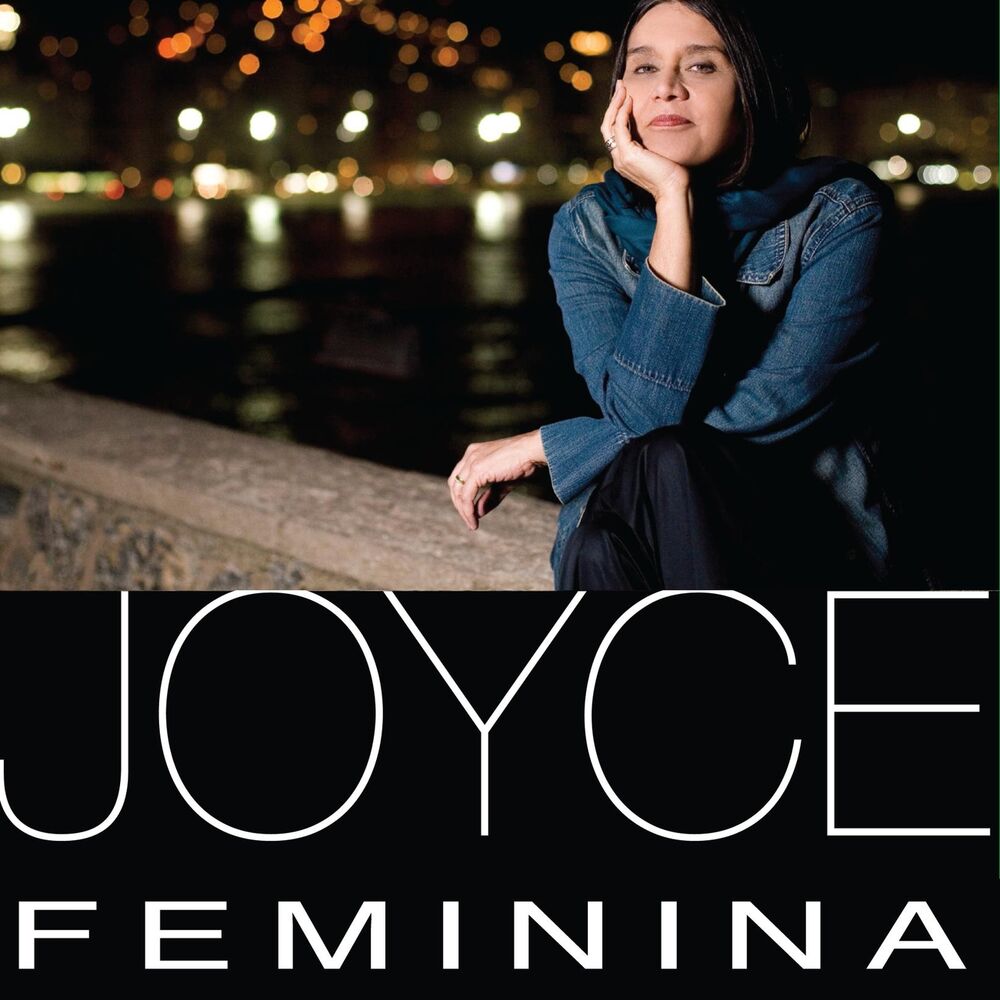
Feminina was recorded in January 1980, at Odeon Studios in Rio de Janeiro, with executive production by José Milton. The recording featured a team of talented musicians, including Joyce on vocals and classical guitar, Mauro Senise on flute and saxophone, Danilo Caymmi and others on flute, Helvius Vilela on piano, Hélio Delmiro and Claudio Guimarães on guitar, Fernando Leporace on bass and vocals, and Tutti Moreno on drums and percussion. The album's visual concept is also striking. The cover, signed by photographer Luiz Fernando and his wife Luhli, depicts Joyce without make-up, playing her guitar, an instrument which, although not fully visible in the image, is fundamental to her artistic identity and is present in her gaze. The album's logo, suggested by Luhli, which cleverly integrates the image of a guitar into the letter 'f' of 'Feminina', became an iconic symbol for the singer, reinforcing the inseparable connection between Joyce and her instrument.
Songs
The album Feminina is a compendium of compositions that reflect the sensitivity and creativity of Joyce Moreno. The song "Clareana", dedicated to her daughters Clara and Ana, became a national success after its presentation at Festival MPB 80, propelling Joyce to a new level of popular recognition. The lyrics even anticipate the arrival of her third daughter, Mariana, with the verse "Clara, Ana e quem mais chegar...". The title track, "Feminina", is another gem of the album, known for its captivating melody and the depth of its lyrics, which address a dialogue between mother and daughter about the meaning of being a woman. In addition to these, the album features other songs that gained public favour, such as "Essa Mulher" and "Mistérios", co-written with Maurício Maestro. A unique highlight is the instrumental-vocal track "Aldeia de Ogum", where Joyce's voice is used as an instrument, in an infectious scat that blends jazz and Brazilian rhythms, revealing the artist's musical freedom and becoming a dance floor anthem during the album's rediscovery.
Legacy
Feminina not only consolidated Joyce's career in Brazil, with the resounding success of "Clareana" and other tracks, but also paved the way for her eventual international projection. The album was rediscovered in the 1990s by British DJs, notably Gilles Peterson, who took the instrumental track "Aldeia de Ogum" to dance floors. This rediscovery opened up a new and significant audience for the composer in Europe and Japan, reigniting interest in her work and leading to the reissuing of her 70s and 80s albums. Considered a 'cult classic', Feminina is a testament to the timelessness of Joyce's music, which continues to enchant new generations of listeners and musicians around the world. Its influence extends beyond the MPB niche, being an album frequently cited in collections and reissues that celebrate the richness of Brazilian music. The original version of the song "Feminina", recorded in New York in 1977 for the unreleased album "Natureza", also saw its posthumous release, adding another layer to the complex and fascinating legacy of the 1980 album.
Tracks
Credits
Joyce
Gilson Peranzzetta
Fernando Leporace, Mauricio Maestro
José Milton
Mariozinho Rocha
Ana Martins, Clara Moreno, Fernando Leporace, Lizzie Bravo
Joyce
Fernando Leporace
Tutty Moreno
Danilo Caymmi, Jorge Ferreira Da Silva, Mauro Senise, Paulo Guimarães
Cláudio Guimarães, Hélio Delmiro
Joyce
Joyce, Tutty Moreno
Helvius Vilela
Mauro Senise
Chiquinho, Dacy Rodrigues, Sérgio Bittencourt
Nivaldo Duarte
Tadeu Valério
Luiz Fernando Borges Da Fonseca
Lizzie Bravo
Podcasts
Brazuca Sounds · Leandro Vignoli
In episode #87, we celebrate 45 years of the album "Feminina" released by Joyce Moreno in 1980. Arguably, her most important work, with feminist ideas ahead of her time, especially considering the Brazilian socio-political context. A jack of all trades, Joyce wrote all the lyrics and plays the guitar beautifully, enhanced by her charming voice. Among the album's highlights are "Feminina", an inter
Brazuca Sounds on Patreon · Leandro Vignoli
In episode #87, we celebrate 45 years of the album "Feminina" released by Joyce Moreno in 1980. Arguably, her most important work, with feminist ideas ahead of her time, especially considering the Brazilian socio-political context. A jack of all trades, Joyce wrote all the lyrics and plays the guitar beautifully, enhanced by her charming voice. Among the album's highlights are "Feminina", an inter

Fala TD · Bravend + ABTD
Se nada mudar, a igualdade na liderança só chega daqui a 123 anos. A pergunta é: você vai esperar ou vai fazer parte da mudança?Você ainda acha que liderança feminina é um tema “só para mulheres”? Neste episódio, Elis Soares e Igor Cozzo recebem Joyce Romanelli que mostra exatamente o contrário e traz provocações que podem mudar a forma como você enxerga liderança dentro das organizações.A convers
Books
Álbum 3 – 1978 a 1993
Pedro Alexandre Sanches · 2024
This work is part of a series that recounts the history of Brazilian music through its albums, this volume focusing on the period from 1978 to 1993. Considering that Joyce's 'Feminina' was released in 1980, it is highly likely that the album will be addressed or that Joyce's work during this period will be analysed in depth, as part of Pedro Alexandre Sanches' critical narrative.
Os 500 Maiores Álbuns Brasileiros de Todos os Tempos
Ricardo Alexandre · 2022
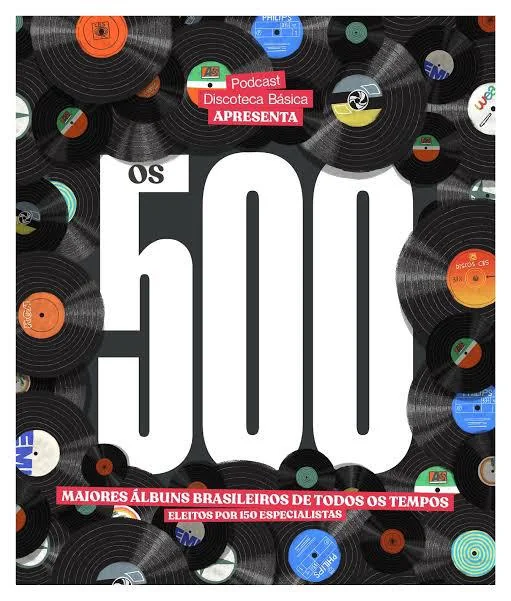
The largest Brazilian music election ever conducted: 162 specialists, spanning journalists, critics, musicians, producers and podcasters, each nominated 50 essential albums, supported by a masterlist of more than 2,000 works. Led by Ricardo Alexandre with tabulation by Sérgio Jomori, it was published in December 2022 as a 200-page hardcover book with graphic design by Fernando Pires.
Finas flores
Jorge Marques · 2016
The book investigates and repositions the role of female composers and lyricists in the history of MPB, who were often sidelined. Joyce is a central figure in this context, and the album 'Feminina', with its lyrics and the artist's own persona, is intrinsically linked to the theme of female contribution to Brazilian music, making it highly relevant for this study.
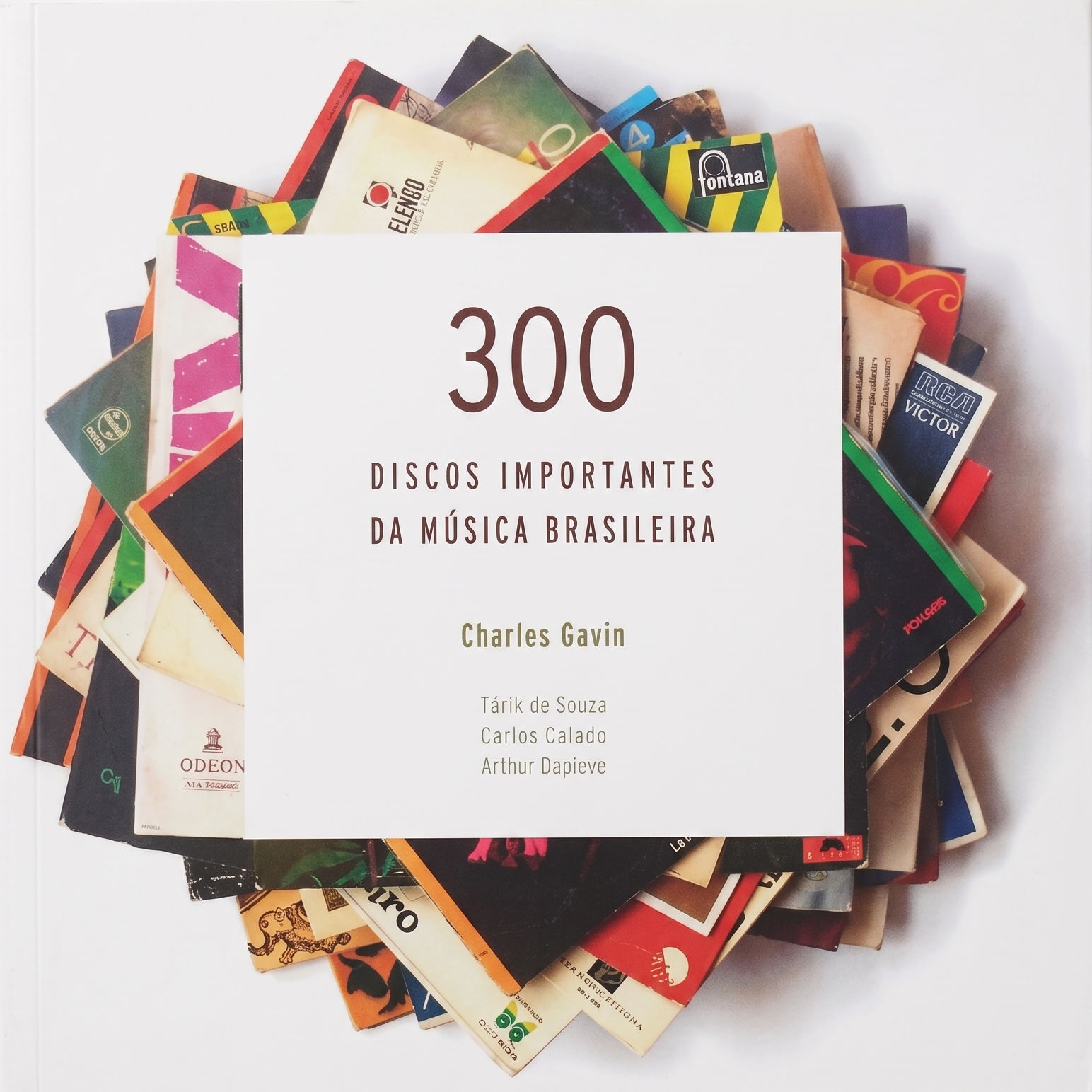
300 Discos Importantes da Música Brasileira
Charles Gavin, Tárik de Souza, Carlos Calado, Arthur Dapieve · 2008
Conceived by Titãs drummer and musical researcher Charles Gavin, the 434-page book brings together covers and reviews of albums released between 1929 and 2007. The texts were written by journalists Tárik de Souza, Arthur Dapieve and Carlos Calado.
Analyses
Feminina – Wikipedia
Wikipedia, the free encyclopaedia
Joyce - Feminina (1980) (EMI Japan 2016) - Flabbergasted Vibes
flabbergasted-vibes.org
Joyce's music had been censored amid Brazil's tense political situation through out the 1970's; forcing her to record offshore in Italy and New York. Feminina initially met a similar reception, through its confrontation with political and social authoritarianism, even though the album stabbed at the eye of repression in Brazil without ...

Loronix: Joyce - Feminina (1980) - Blogger
loronix.blogspot.com
Thursday, March 27, 2008 Joyce - Feminina (1980) It is very hard to speak about this record, one of the first albums made available at Loronix. I think since then he has reached his goal, being important to bring new people to our community, to reveal Joyce for many people, especially outside Brazil.
"Feminina", Joyce Moreno (1980) - lucasbonetti.com.br
lucasbonetti.com.br
Today I'm sharing an album you might already know. But that's alright, isn't it? If it's good, it's worth listening to again. The album Feminina (1980) by singer, guitarist, and composer Joyce Moreno (1948-) is the seventh album of her career.

Tarati Taraguá: A Feminina Joyce (Revista Música - 1980)
taratitaragua.blogspot.com
Over the years, Joyce's work only matured and her name gained more and more prestige. In 1980, the singer released the album, Feminina, and on that occasion, Música magazine nº 43 featured an article with Joyce, talking about her career and her new record.