Nelson Ângelo E Joyce
Joyce & Nelson Ângelo
1972
Rankings
Why This Album Matters
The album Nelson Ângelo E Joyce, released in 1972, is a masterpiece distinguished by its intimate and singular sound within the MPB scene. It is recognised as an underestimated LP, yet of unparalleled beauty, blending bossa nova, psychedelic folk, and ritualistic percussion, providing a unique and spiritual listening experience. The collaboration between Joyce and Nelson Ângelo results in meditative acoustic arrangements and tender vocals, creating a hazy, nocturnal atmosphere that invites contemplation. This work is considered indispensable for aficionados of Brazilian music, being a record of profound sensibility and originality. Its distinctive aesthetic, which transitions between the bucolic and the transcendental, makes it a landmark in both artists' discographies and a reference point for the fusion of styles that characterised Brazilian music of that decade. With its sophistication in simplicity, the album offers a sonic refuge, where melodies and lyrics explore philosophical themes and the connection with nature, presenting a musical proposition that transcends the conventional and remains relevant.
Context
The year 1972 was a turbulent period in Brazil, marked by the military dictatorship and a cultural effervescence where artists sought new forms of expression to circumvent censorship. It is in this scenario that Nelson Ângelo and Joyce, then around 22-23 years old, united their artistic and personal paths to create this album. Nelson Ângelo was an integral part of the Clube da Esquina movement, having collaborated with names such as Naná Vasconcelos and Lô Borges. Joyce, a talented singer and guitarist who would later work with Vinicius de Moraes, was already notable for her compositions and for interpreting songs by figures like Caetano Veloso. The artists' encounter occurred during a tour with the group A Sagrada Família, and in 1970, they formed the band A Tribo. In addition to their musical partnership, Nelson and Joyce married and had two daughters. This joint album represented Joyce's only professional recording between 1971 and 1975, underscoring the importance and exclusivity of this collaboration.
Recording
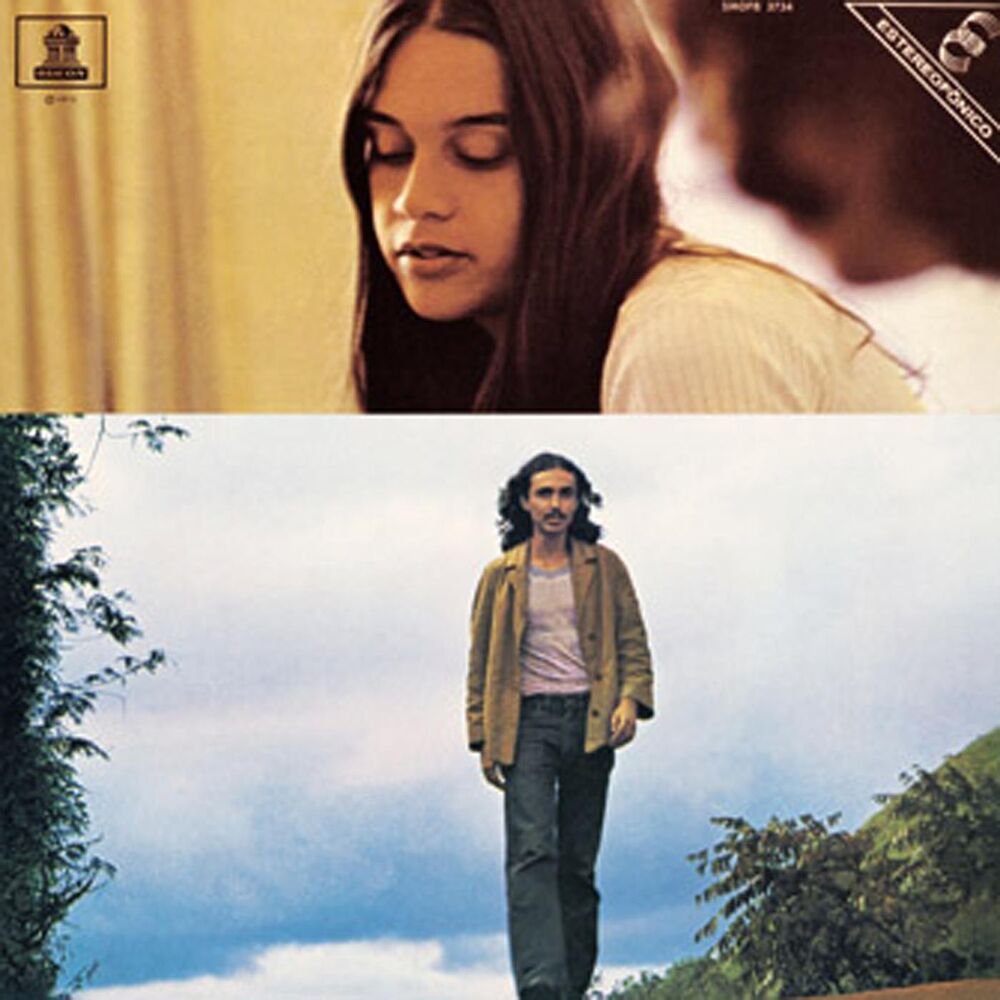
The album Nelson Ângelo E Joyce was recorded in 1972, under the production of Odeon and the direction of Maestro Gaya. The recording is characterised by its sophisticated simplicity in sound, exploring predominantly acoustic arrangements. The duo featured a team of notable musicians, many of whom hailed from Minas Gerais, which gave the work a strong connection to the Minas Gerais MPB style. Among the collaborators were Lô Borges, Danilo Caymmi, Novelli, Toninho Horta, Tenório Jr. and Beto Guedes. Details about the recording process reveal the incorporation of nature sounds and ritualistic percussion into the arrangements, contributing to the album's mystical and ethereal atmosphere. The album cover, which depicts Nelson Ângelo as if floating on clouds, reflects the lightness and psychedelic depth of the music contained within.
Songs
The thirteen songs on Nelson Ângelo E Joyce are characterised by their brevity and the duo's ability to create a wide variety of atmospheres in a short space of time, resulting in a cohesive and satisfying work. The lyrics are poetic and introspective, addressing themes such as life's journey, connection with nature, and the search for peace in a turbulent world. Tracks such as the opening "Um Gosto de Fruta" set the tone with their angular chord changes and captivating melody. "Comunhão" is one of the highlights, with its melodious 'na-na-na' chorus, which, alongside elements like bird sounds and subtle percussion, creates a spiritual and intoxicating sensation. "Meus Vinte Anos", composed by Joyce, is enriched by enchanting harpsichord accompaniment, while "Ponte Nova" reaches a transcendental climax before fading out. The album's diversity includes calm folk songs like "Sete Cachorros" and "Tiro Cruzado", and others which, like "Mantra" and "Pessoas", function as a prayer of love and hope in the face of adversity.
Legacy
Nelson Ângelo E Joyce is widely considered a cult classic of Brazilian music and an essential gem for collectors and lovers of MPB and psychedelic folk. Its critical reception has been consistently positive, with the album being described as indispensable. The record acquired rare item status, with original 1972 pressings reaching significant values on the vinyl market, exceeding £700 on some occasions. Renewed interest in the album was spurred in the 1990s by Brasilophile DJs like Gilles Peterson, who introduced its tracks in London clubs. Since then, the album has been re-released on CD in 2002 and on vinyl in 2019, though reissues quickly sell out, evidencing persistent demand. Its connection with the Clube da Esquina movement and its contribution to the fusion of styles in the MPB scene solidify its place as a historical landmark in Brazilian music. On platforms like Discogs, the album maintains a high average rating of 4.66 out of 5 stars, based on various reviews, reflecting its continuous appreciation.
Tracks
Credits
Nelson Angelo
Lindolfo Gaya
Milton Miranda
Renato Corrêa
Danilo Caymmi, Lo Borges, Novelli, Novelli, Toninho Horta
Beto Guedes, Joyce, Malu, Nelson Angelo, Novelli
Lo Borges, Mauricio Mendonça, Novelli, Toninho Horta
Robertinho Silva
Antônio "Toninho" Pinheiro, Edmundo Oliani
Rubinho
Hélcio Milito, Robertinho Silva, Rubinho
Tenorio Jr.
Danilo Caymmi, Paulo Guimarães, Paulo Jobim, Sergio Fayne
Lo Borges, Nelson Angelo, Toninho Horta
Tenorio Jr., Wagner Tiso
Novelli, Tenorio Jr., Toninho Horta, Wagner Tiso
Beto Guedes, Carlos Sampaio, Hélcio Milito, Lo Borges, Robertinho Silva, Rubinho, Toninho Horta
Novelli, Tenorio Jr., Toninho Horta
Reny R. Lippi
Z. J. Merky
Nivaldo Duarte, Toninho, Zilmar De Araujo
Tadeu Valério
Ronaldo Bastos
Cafi
Podcasts

Disco Voador · Ramon Duccini
Nelson Angelo, um dos grandes nomes do lendário Clube da Esquina está aqui voando com a gente no Disco Voador, contando tudo sobre o super cultuado álbum "Nelson Angelo & Joyce", lançado em 1972. Sabe aquela guitarra no final de "Um Girassol da Cor do Seu Cabelo"? É ele que toca! Nelson bateu um papo incrível conosco contando desde o Quarteto Livre, passando pela Sagrada Família, A Tribo, a g
Analyses
Nelson Ângelo e Joyce - A raridade psicodélica e delicada da vida
soulart.org
Nelson Ângelo, a Minas Gerais native based in Rio, is one of the greatest harmonisers of Clube da Esquina. Married to Joyce, they formed the group A Tribo, which also featured Toninho Horta and Naná Vasconcelos. Joyce is a singer, songwriter, and released her first album in 1968 on the Philips label.
Joyce & Nelson Ângelo - Nelson Angelo e Joyce - Reviews - Album of The Year
albumoftheyear.org
Music Reviews: Nelson Angelo e Joyce by Joyce & Nelson Ângelo released in 1972. Genre: MPB.

Musicology: Nelson Ângelo e Joyce - Nelson Ângelo e Joyce 1972
madshoesmusicology.blogspot.com
Nelson Ângelo e Joyce - Nelson Ângelo e Joyce 1972 Musically, the 70s saw the emergence of countless songs with a social message and protests against the military dictatorship in Brazil, and, amidst all this turmoil, came the only album, self-titled, by Nelson Ângelo and Joyce. A little-known gem of Brazilian music.