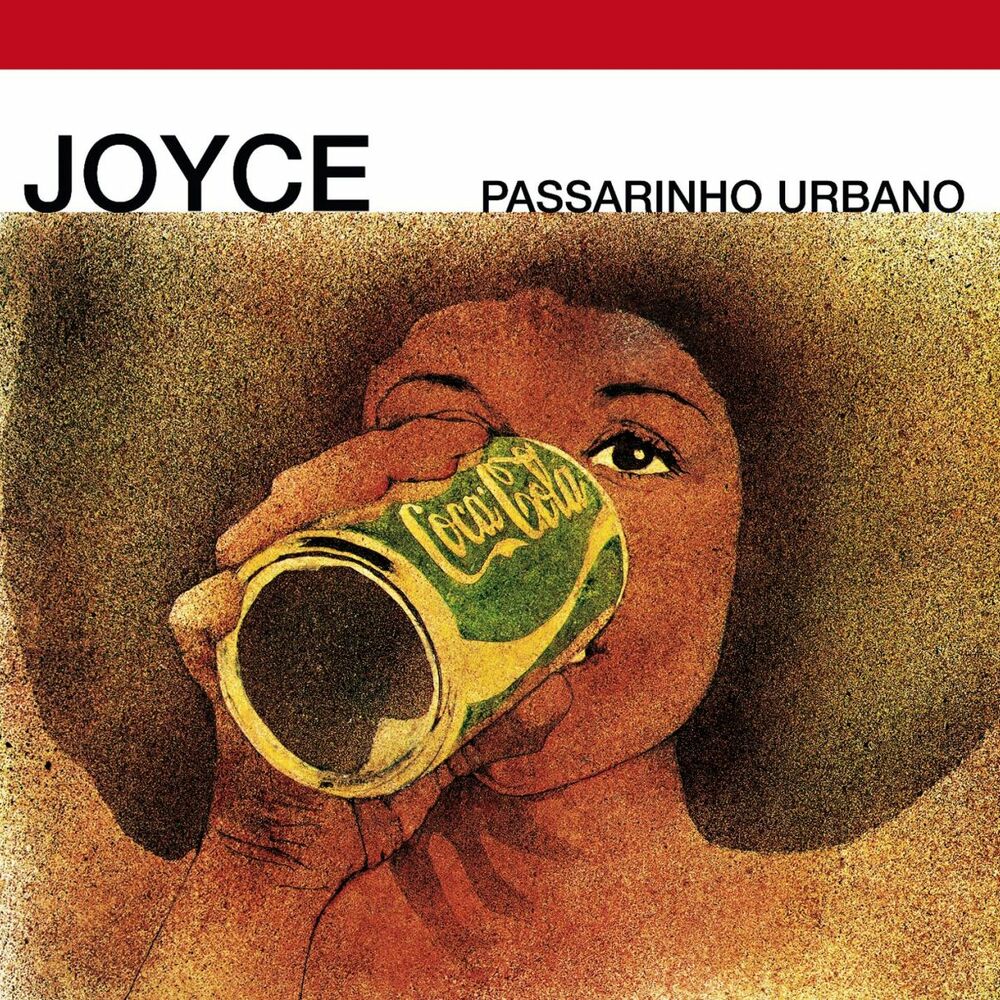
Passarinho Urbano
Joyce
1976
Rankings
Why This Album Matters
Feminina, Joyce's seventh studio album, released in 1980, represents a significant milestone in the artist's career. The record stood out for featuring songs that quickly won over the Brazilian public, such as "Clareana", which became a national success after its performance at Festival MPB 80, and other popular tracks like the title song "Feminina", "Essa Mulher" and "Mistérios". Its relevance extends beyond the national scene, with a notable rediscovery in the 1990s by English DJs. The instrumental-vocal "Aldeia de Ogum", in particular, found a new audience on dancefloors across Europe and Japan, solidifying the composer's presence on international stages.
Recording
The visual concept of Feminina is a distinctive element, with the cover art signed by photographer Luiz Fernando and his wife Luhli. The image portrays the singer without make-up, conveying an authenticity that aligns with her artistic essence. Joyce describes that, although the guitar does not visibly appear in the photo, its presence is felt through her gaze, characteristic of a musician's connection with their instrument. The album's logo, suggested by Luhli, also became iconic, incorporating a stylised guitar from the letter 'f' in the title, and establishing itself as a visual trademark of Joyce herself.
Songs
Feminina's repertoire is marked by the diversity and the melodic and lyrical strength of its compositions. "Clareana", one of the album's greatest successes, exemplifies Joyce's ability to create songs that resonate deeply with the public. In addition to this, the title track "Feminina", "Essa Mulher" and "Mistérios" are examples of songs that quickly became popular. The instrumental-vocal "Aldeia de Ogum", in turn, transcended borders and genres, being embraced by international DJs and introducing Joyce's work to a new generation of listeners worldwide.
Legacy
The repercussion of Feminina was extensive and lasting. The song "Clareana" not only became a nationwide success after its memorable performance at Festival MPB 80, but also consolidated Joyce's presence in the Brazilian music scene. Internationally, the album experienced a significant rediscovery in the 1990s. English DJs were responsible for taking the track "Aldeia de Ogum" to dancefloors, which resulted in opening up a new and vibrant audience for the composer in both Europe and Japan, reinforcing the timelessness and universality of her music.
Tracks
Credits
Gloria Piccioni
Giancarlo Governi
Joyce
Azeitona
Azeitona, Joyce, Mutinho, Márcia
Mutinho
Joyce
Azeitona, Joyce, Mutinho, Mutinho
Sergio Bardotti
Massimo Becagli
Plinio Chiesa
Beppe Madaudo
Raoul Doni
Books
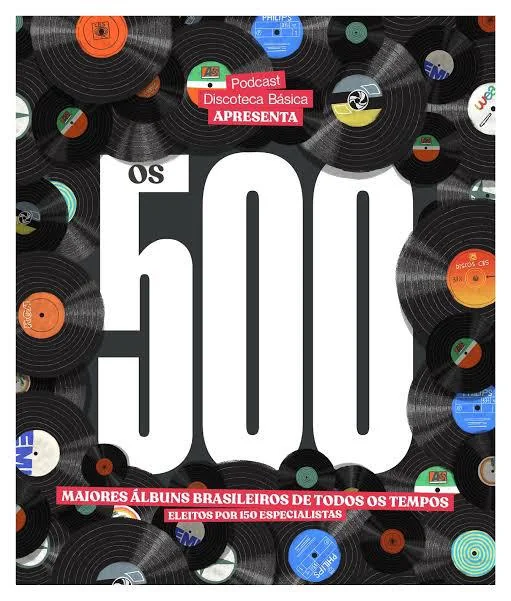
Os 500 Maiores Álbuns Brasileiros de Todos os Tempos
Ricardo Alexandre · 2022
The largest Brazilian music election ever conducted: 162 specialists, spanning journalists, critics, musicians, producers and podcasters, each nominated 50 essential albums, supported by a masterlist of more than 2,000 works. Led by Ricardo Alexandre with tabulation by Sérgio Jomori, it was published in December 2022 as a 200-page hardcover book with graphic design by Fernando Pires.
Finas flores
Jorge Marques · 2016
The book 'Finas flores – mulheres letristas na canção brasileira' is dedicated to investigating and adjusting the role of female composers in the history of MPB. Given that Joyce is a prominent Brazilian composer and lyricist, this book will probably address her work and contribution, including important albums such as 'Passarinho Urbano', from 1976.
Analyses
Passarinho Urbano - Joyce Moreno
joycemoreno.bandcamp.com
The legendary 1976 Italian album. Limited edition, remastered with liner notes. First time ever available worldwide. This is a vinyl only release - the digital album is not included. Includes unlimited streaming of Passarinho Urbano via the free Bandcamp app, plus high-quality download in MP3, FLAC and more.
'Passarinho Urbano', de Joyce, é um disco a ser redescoberto
escotilha.com.br
With 18 tracks, Passarinho Urbano is built as an album to be listened to in its entirety, since many of these tracks appear almost as vignettes, short and sharp, to fit into a broad scenario, which functions like a polaroid of Brazil.

Criatura de Sebo: Passarinho Urbano - 1976 - Joyce - Blogger
criaturadesebo.blogspot.com
This LP was first released in Italy, only a year later in Brazil.
'Passarinho urbano', álbum cult em que Joyce Moreno foi ... - MSN
msn.com
Already re-released in its original LP format in Brazil and abroad, "Passarinho urbano" is Joyce's first album as an interpreter.
Joyce revisita o disco 'Passarinho urbano', gravado em 1976, em show no ...
jb.com.br
In the show, Joyce presents the anthological LP "Passarinho urbano", with her matured voice and guitar and a surprisingly current repertoire after more than four decades.