Seu Espião
Kid Abelha
1984

Rankings
Why This Album Matters
Seu Espião, the debut album by Kid Abelha e Os Abóboras Selvagens, released in 1984 by Warner Music, marked the emergence of one of the most emblematic bands in Brazilian pop rock. With a sound that blended the freshness of new wave with lyrics that captured the spirit of a generation, the record quickly stood out on the music scene. The album introduced timeless hits that became a soundtrack for many, such as "Fixação", "Como Eu Quero", "Porque Não Eu?" and "Pintura Íntima". Its relevance lies in its ability to encapsulate a cultural moment, offering songs that moved between romanticism, youthful rebellion, and reflections on adult life with a distinctive sonic identity.
Context
The album Seu Espião was the first work by Kid Abelha e Os Abóboras Selvagens to be released shortly after the band signed a contract with Warner Music, marking the beginning of their official recording career.
Recording
Recorded at Estúdio Never Cry, located in Recreio dos Bandeirantes, Rio de Janeiro, and mastered at Estúdios Transamérica, Seu Espião featured production by Liminha, known for his work with Lulu Santos and Gilberto Gil. The production aimed for a rhythmically varied sound, which became a hallmark of the record. During the creative process, Warner Music initially pushed for "Alice (Não Me Escreva Aquela Carta De Amor)" to be the first single, due to its commercial potential, but the group insisted and managed to have "Pintura Íntima" released. The song "Como Eu Quero", which had initially been discarded by Liminha, was added to the album by Paula Toller and Leoni shortly before the work's completion.
Songs
The compositions on Seu Espião address a range of themes that resonated with the young audience of the time, exploring naive romanticism, adolescence and its anxieties, rebellion, the monotony of the adult world, the complex relationship between fan and idol, and a feminism imposed by Paula Toller's persona. Tracks such as "Fixação", "Como Eu Quero", "Porque Não Eu?" and "Pintura Íntima" are clear examples of this thematic diversity and the album's melodic appeal. The inclusion of "Como Eu Quero" on the album is a notable point, with the song being added by Paula Toller and Leoni after having been previously discarded, showing the band's artistic intuition in choosing their major hits.
Legacy
Despite its significant commercial success, selling around 150,000 copies and achieving a gold record certified by PMB, Seu Espião faced a rather negative critical reception at the time of its release. Critics of the era labelled many of the compositions as "disposable, futile, idiotic, sugary, and silly", and the arrangements were described as "mediocre". There was even a prediction that the band would never manage to establish itself in the Brazilian rock scene, which, in retrospect, was widely refuted by the enduring success of Kid Abelha.
Tracks
Credits
Kid Abelha, Liminha
Liminha
Gregório Nogueira, Liminha
Bruno Fortunato, Carlos Beni, Herbert Vianna, Leoni, Paula Toller
Paula Toller
Leoni
Bruno Fortunato
George Israel
Cláudia Kopke, Emília Duncan
Kid Abelha, Liminha, Vitor Farias
Enock, Evaristo Branco, Laci Moraes, Magro
Dudu Marques, Eduardo Pastorelli, Ricardo Garcia
Liminha, Ricardo Garcia, Vitor Farias
Claudio Carvalho
Ricardo Nauenberg
Flávio Colker
Videos
HISTÓRIA DO ÁLBUM #9 - SEU ESPIÃO (1984) - KID ABELHA E OS ABÓBORAS SELVAGENS
Rodrigo Faour Oficial
Books
Álbum 3 – 1978 a 1993
Pedro Alexandre Sanches · 2024
This volume in the 'Álbum' series proposes to tell the history of Brazilian music through the analysis of iconic albums. Covering the period from 1978 to 1993, it is highly probable that it includes discussions on important Brazilian rock albums of the 80s, such as Kid Abelha's 'Seu Espião', offering a critical and contextualised perspective of the artist's work.
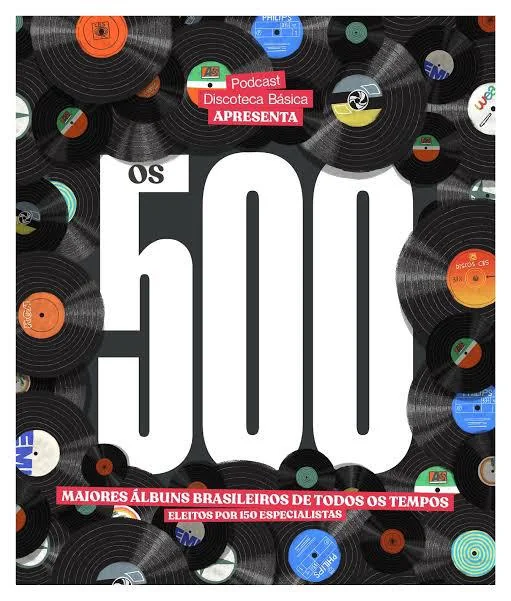
Os 500 Maiores Álbuns Brasileiros de Todos os Tempos
Ricardo Alexandre · 2022
The largest Brazilian music election ever conducted: 162 specialists, spanning journalists, critics, musicians, producers and podcasters, each nominated 50 essential albums, supported by a masterlist of more than 2,000 works. Led by Ricardo Alexandre with tabulation by Sérgio Jomori, it was published in December 2022 as a 200-page hardcover book with graphic design by Fernando Pires.
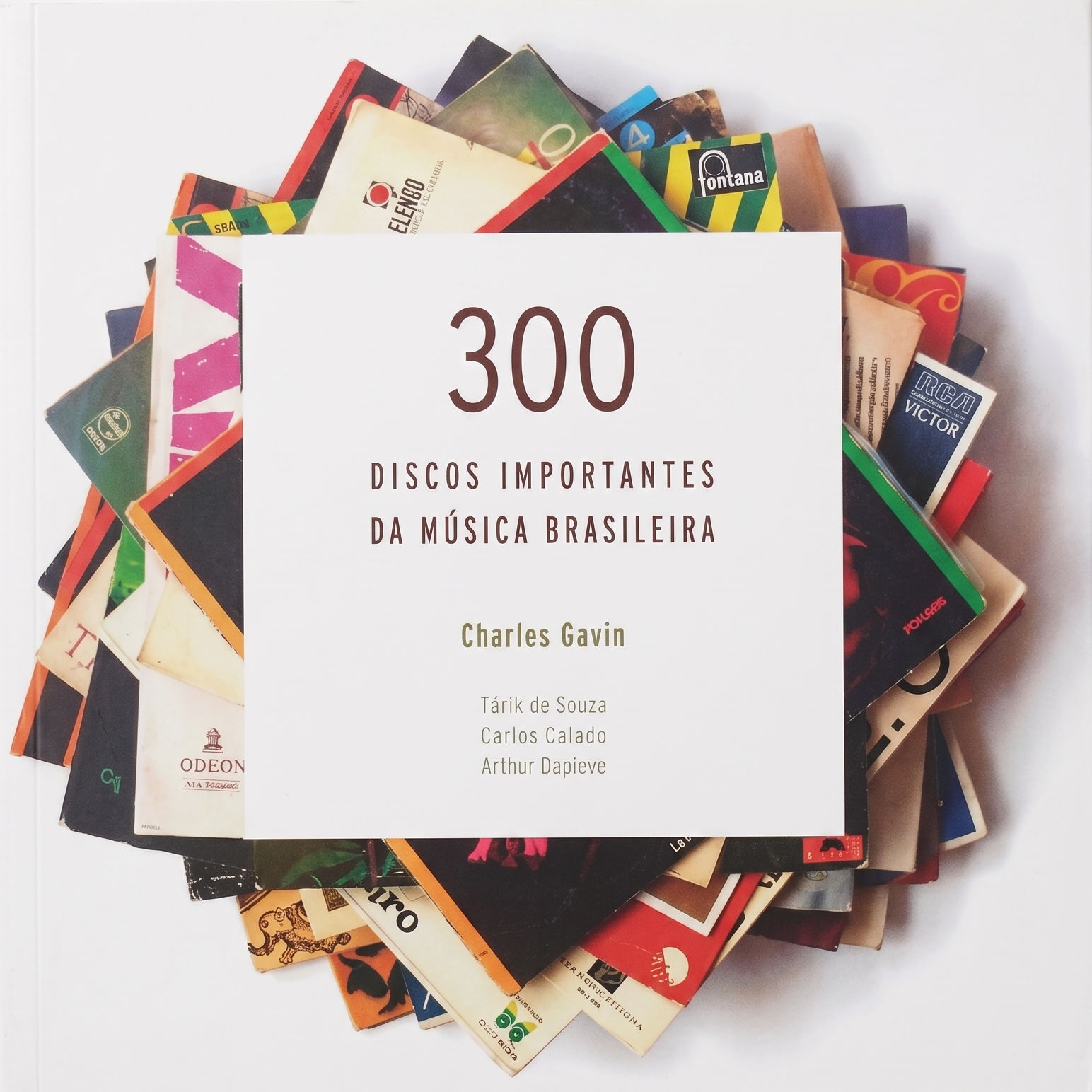
300 Discos Importantes da Música Brasileira
Charles Gavin, Tárik de Souza, Carlos Calado, Arthur Dapieve · 2008
Conceived by Titãs drummer and musical researcher Charles Gavin, the 434-page book brings together covers and reviews of albums released between 1929 and 2007. The texts were written by journalists Tárik de Souza, Arthur Dapieve and Carlos Calado.
Analyses
Seu Espião – Wikipedia
Wikipedia, the free encyclopaedia

Kid Abelha E Os Abóboras Selvagens - Seu Espião (1984)
br320.blogspot.com
'Fazer amor de madrugada...' was Kid Abelha's first chorus to stick in Brazilians' minds, and their first gold record. In 1984, the band's biggest hit was released as the second single, 'Como Eu Quero', which led them to their second gold record. The B-side was 'Homem com uma Missão'.
Kid Abelha e os Abóboras Selvagens - Seu Espião (1984)
ahistoriadodisco.com.br
Today our review focuses on the first album by Kid Abelha e os Abóboras Selvagens, 'Seu Espião' from 1984.
Kid Abelha e Os Abóboras Selvagens - Seu Espião (1984)
altamont.pt
The songs and tone of 'Seu Espião' are as pop-rock as possible, deliciously basic, catchier than Dumbo's outer ears. Critics spoke ill of it, very ill, protesting that they were futile, disposable, superficial, and musically useless.
Kid Abelha & Os Abóboras Selvagens - Seu Espião (1984) - Pressenza
pressenza.com
When they still hadn't realised that the name Abóboras Selvagens was rather ugly, Kid Abelha released one of the most captivating albums in national pop music, 'Seu Espião' (1984), amidst a rather arid and uninteresting period for Brazilian music.