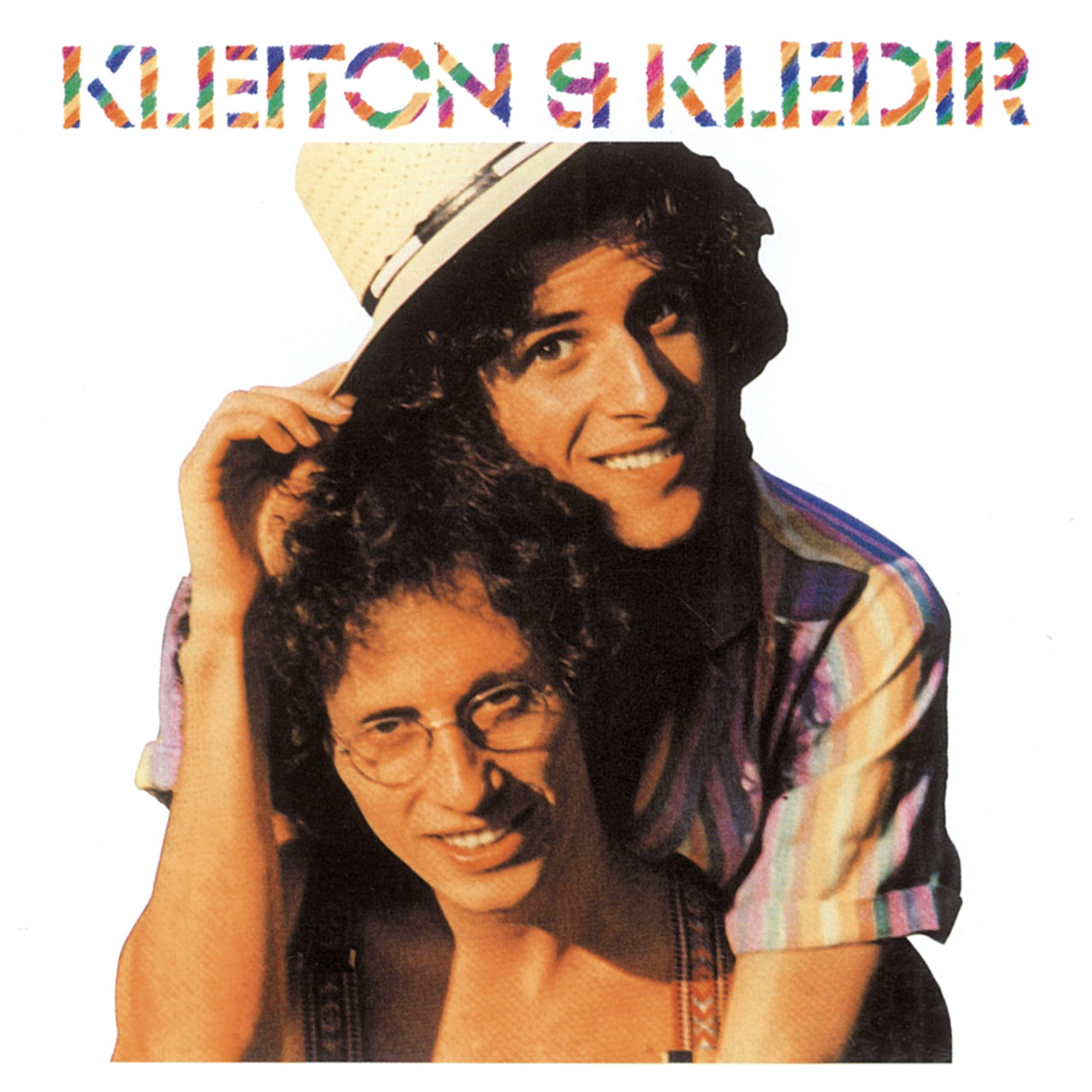
Kleiton & Kledir
Kleiton & Kledir
1981
Rankings
Why This Album Matters
The album Kleiton & Kledir, released in 1981, represents a fundamental milestone in the career of the Gaúcho duo, consolidating their position as one of the most original and influential names in Brazilian Popular Music. This second work by the brothers brought an innovative sound that blended the sophisticated pop of the era, MPB elements, and authentic references from Gaúcho regional culture and music, creating a unique sonic identity. With its captivating melodies and poetic lyrics, the album not only charmed the Brazilian audience but also definitively introduced the "nova música gaúcha" (new Gaúcho music) onto the national scene. The duo stood out for their characteristic accent and the use of regional terms which, until then, were little known outside Rio Grande do Sul, enriching the country's musical vocabulary. The album is a celebration of Southern Brazilian cultural identity, presented with their own arrangements and an artistic sensibility that transcends boundaries.
Context
Before the release of this album, Kleiton and Kledir had already travelled a significant musical path. In the 70s, they were part of the band Almôndegas, with whom they released four albums and performed numerous shows, culminating in their move to Rio de Janeiro. The dissolution of the group led the brothers to pursue a career as a duo, releasing their first album in 1980, which achieved immediate success and spurred a series of performances across Brazil. The 1981 album emerged during a period of effervescence in Brazil, marked by political and musical openness. The duo capitalised on this moment to consolidate their proposal for radio-friendly pop with Southern Brazilian roots, demonstrating that Gaúcho musical production had popular and national appeal.
Recording
The album was carefully produced by Wellington Luiz, with artistic direction handled by Mazola, a significant name in MPB at the time. The musical and mixing direction was undertaken by Kleiton and Kledir themselves, ensuring the authenticity of their artistic vision. Recorded and mixed at SIGLA and Transamérica studios, using 24 channels, during the autumn of 1981, the album featured a string orchestra and a constellation of renowned studio musicians in Rio de Janeiro. Among the collaborators were Mauro Senise on saxophone, Paulo Rafael and Hélio Delmiro on guitars and acoustic guitars, Luiz Avelar and Wagner Tiso on pianos and keyboards, as well as Robertinho Silva and Mamão on drums. The album also featured special appearances by the group MPB4 on the track "Lagoa dos Patos" and the vocal group Céu da Boca on "Navega Coração", in addition to the presence of Vitor Ramil and Fogaça.
Songs
The album is filled with songs that became MPB classics, notably "Estrela, Estrela", "Deu pra Ti", and "Paixão". "Deu pra Ti", composed by Kledir and Kleiton Ramil, is a true ode to Porto Alegre, full of regional expressions that made it an anthem of the Gaúcho accent and are still remembered today. "Paixão", written by Kledir Ramil, became notable for the high dose of romantic sensuality in its lyrics, making it one of the biggest hits and the most re-recorded song in the duo's repertoire. "Estrela, Estrela", co-written with Vitor Ramil, is another gem from the album, which featured the participation of the duo's younger brother, Vitor Ramil, in its recording. The album also highlights the duo's expertise, especially Kleiton's, in vocal arrangements, and includes a 'trova' (traditional poetic song) dedicated to the father of Gaúcho troubadours, Gildo de Freitas, in "Trova".
Legacy
The 1981 album Kleiton & Kledir played a crucial role in popularising Gaúcho music throughout Brazil, immortalising a unique accent and singing style. The duo became a symbol of the contemporary Gaúcho, which earned them the title of "Cultural Ambassadors of Rio Grande do Sul" from the state government. The album's success contributed to the duo achieving a gold record and performing shows not only across Brazil but also in the United States, Europe, and Latin America. Their compositions were recorded by a vast range of renowned Brazilian and international artists, including Simone, Nara Leão, MPB4, Caetano Veloso, Ivan Lins, Mercedes Sosa, and Fito Páez, which demonstrates the breadth of their influence. "Paixão", in particular, became one of the most re-recorded songs in their catalogue.
Tracks
Credits
Paschoal Perrota
Mazzola
Kleiton & Kledir, Wellington Luiz
Wellington Luiz
Christina Ponce de Leon
Wilson Medeiros
Toninho
Carlos De Andrade, Claudio Farias, Vitor Farias
Carlos De Andrade
Cafi
J.C. Mello