Os Carnavais de Lamartine Babo
Lamartine Babo
1959
Rankings
Why This Album Matters
The album Os Carnavais de Lamartine Babo (1959) is a celebration of the genius of one of Brazil's greatest popular composers, Lamartine Babo. This work is an immersion into the essence of Brazilian carnival, highlighting the 'marchinhas' that became anthems and are an intrinsic part of the country's affective and cultural memory. The album encapsulates the irreverent, good-humoured, and captivating spirit that characterised Babo's work, solidifying his status as 'the king of carnival'. Through his compositions, Lamartine Babo knew better than most how to capture and translate the fervour of the popular festival into contagious melodies and witty lyrics. His ability to create songs that navigate between social satire and pure carnival joy makes this album a timeless testament to the richness of Brazilian music. It is a work that resonates with the soul of Rio de Janeiro and a golden era of MPB.
Context
Lamartine Babo (1904-1963) was a central figure in Brazilian popular music, with a prolific career that began to gain prominence in the 1920s. Before the release of this album, he had already consolidated his reputation as a versatile composer, creating everything from waltzes and samba-canções to the famous carnival 'marchinhas'. His presence on radio, in 'teatro de revista' (revue theatre), and his ability to compose anthems for various football clubs from Rio de Janeiro (such as Flamengo, Vasco, Fluminense, Botafogo, and América) already made him a widely known and beloved personality among the Brazilian public.
Recording
The album Os Carnavais de Lamartine Babo, released in 1959 by the Sinter label, largely consisted of a re-issue of the 1955 LP Carnaval de Lamartine Babo. This earlier record, which was the composer's first long-playing album, was recorded at the invitation of the Sister label and featured arrangements by Lyrio Panicali, presenting a pot-pourri format of his 'marchinhas'. Therefore, although the 1959 version consolidates many of his successes, the original recordings of a good number of the tracks date back to the mid-1950s, capturing the sound and production style of that era, with an emphasis on vocal performance and orchestral arrangements typical of carnival songs.
Songs
The album presents a selection of 'marchinhas' that are the quintessence of Brazilian carnival. Songs such as 'Aí, Hein!', 'Rasguei Minha Fantasia', 'Boa Bola!', 'Moleque Indigesto', 'O Teu Cabelo Não Nega', 'História do Brasil', and 'Linda Morena' are among the tracks that demonstrate Lamartine Babo's lyrical and melodic genius. The lyrics are characterised by refined humour, irreverence, and the ability to reflect, in a light and satirical way, aspects of Brazilian society and culture. For example, 'História do Brasil' uses humour to address the formation of Brazilian identity, mixing historical, literary, and cultural elements anachronistically. Meanwhile, 'Hino do Carnaval Brasileiro' celebrates diversity and miscegenation as central elements of national identity. Many of these songs, beyond their success at the time, became true anthems, sung by generations of revellers.
Legacy
Lamartine Babo, with his carnival work, left an invaluable musical legacy. His 'marchinhas' not only defined the sound of countless carnivals, but also became perennial MPB classics, being re-recorded by various artists over the decades. Braguinha, another giant of Brazilian music, stated that 'there is carnival before and after Lamartine', highlighting the composer's fundamental importance to the festivities. The impact of Lamartine Babo's work, including the songs compiled in Os Carnavais de Lamartine Babo, is evident in the continuous performance of his music at carnival celebrations and in the constant reference to him as one of the pillars of Brazilian popular song. His work transcended immediate success, remaining alive in the country's musical imagination and influencing the way joy and satire are expressed in carnival music.
Books
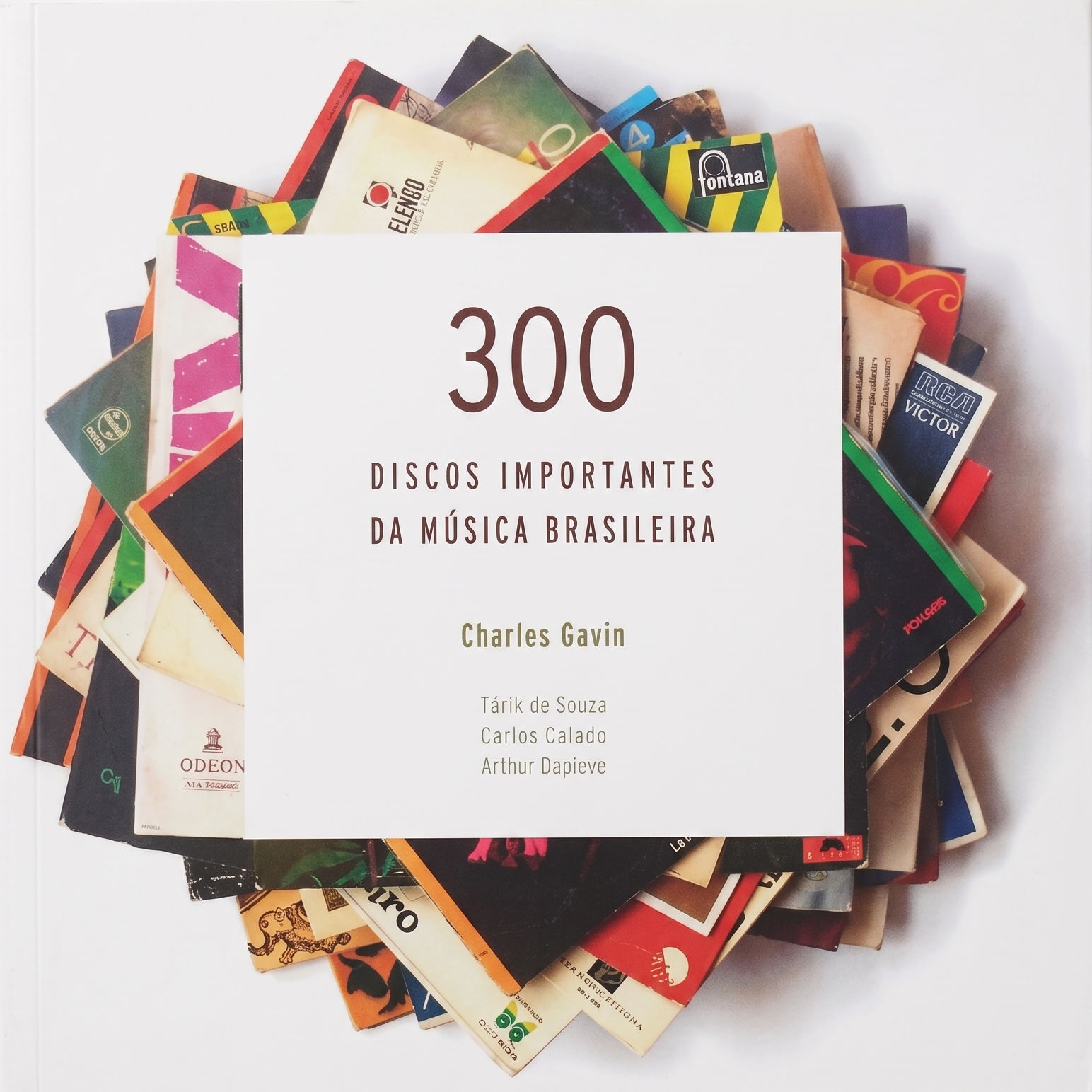
Analyses

The Music of Parallel Realities: Carnaval de Lamartine Babo (1955)
parallelrealitiesmusic.blogspot.com
Presenting composer, radio artist, singer, actor, journalist, sportsman, etc Lamartine Babo for the first time on Parallel Realities with an album on which he sings Carnaval songs composed by himself.
Lamartine Babo - E Seus Sucessos - Ride Palhaço (1959)
toque-musicall.com
On this album, we have a wonderful rarity: Lamartine Babo himself. With his fine and unmistakable voice, he sings and enchants us with some of his most celebrated compositions.
Cliquemusic : Disco : CARNAVAL DE LAMARTINE BABO
cliquemusic.com.br
2 Aí, hein! (Paulo Valença, Lamartine Babo) 3 Uma andorinha não faz verão (João de Barro, Lamartine Babo) 4 Rasguei a minha fantasia (Lamartine Babo) 5 Boa bola (Paulo Valença, Lamartine Babo) 6 Muleque indigesto (Lamartine Babo) 7 Ride palhaço (Lamartine Babo) 8 O teu cabelo não nega (Irmão Valença, Lamartine Babo)
Lamartine Babo: o telegrafista que se tornou rei do carnaval
revistabula.com
"O teu cabelo não nega", composed by Irmãos Valença and Lamartine Babo, was gradually excluded from carnival halls due to its content being considered racist. Released in the 1930s, the song was originally called "Mulata" and was a success in Recife.
Lamartine Babo criou clássicos da música brasileira e embalou carnavais ...
itatiaia.com.br
Thanks to Lamartine Babo's talent, the fans of Flamengo, Fluminense, Botafogo and Vasco heartily sing verses of exaltation and glory, as do the resilient and brave fans of América, Lamartine's favourite club.