Brazilliance Vol. 1
Laurindo Almeida & Bud Shank
1953

Rankings
Why This Album Matters
Brazilliance Vol. 1, though often associated with later releases, represents a pioneering and essential recording in the history of the fusion between jazz and Brazilian music. Initially released as Laurindo Almeida Quartet Featuring Bud Shank in 1953, this singular album is recognised by many as one of the first forays into what would become the bossa nova style, years before its global popularisation. The work is an artistic confluence that blends the sophistication of American jazz, particularly West Coast cool jazz, with the rich textures and rhythms of samba and other Brazilian musical forms. Laurindo Almeida, with his vast palette of expression on the guitar, and Bud Shank, with his light yet intense alto saxophone, created a musical hybrid that set a new benchmark for the combination of these genres. This work not only introduced a distinctly unique sound to the American musical scene, but also anticipated the relaxed and timeless qualities of João Gilberto's original recordings, marking a crucial moment in the evolution of jazz and Brazilian music.
Context
In the early 1950s, Laurindo Almeida and Bud Shank had already collaborated in Stan Kenton's band, where Shank was introduced to Brazilian music through Almeida. During this period, bossa nova had not yet emerged as a global phenomenon. It would only be in 1958, with Elizete Cardoso's "Canção do Amor Demais", that bossa nova would begin to gain prominence, followed by the release of João Gilberto's "Chega de Saudade" in 1959. Thus, Brazilliance Vol. 1 precedes by years the recognition and mass dissemination of the genre.
Recording
The album was recorded in Los Angeles, California, between 15 and 22 April 1953. The tracks were originally released by the Pacific Jazz label as part of the album Laurindo Almeida Quartet Featuring Bud Shank. The quartet's line-up included Laurindo Almeida on guitar, Bud Shank on alto saxophone, Harry Babasin on bass, and Roy Harte on drums. Production was handled by Richard Bock, with Phil Turetsky serving as recording engineer.
Songs
The track selection on Brazilliance Vol. 1 is notable for its strong foundation in Brazilian folk songs and compositions, with only four of the fourteen tracks not being directly derived from these roots. The repertoire features a captivating fusion of Latin themes and jazz improvisations, where Bud Shank's saxophone injects a breath of jazz into the predominantly Latin structures. Among the standout songs are classics such as "Atabaque", "Inquietacao", and the memorable "Cariñoso". The album also includes works by important Brazilian composers such as Radamés Gnattali, Ary Barroso, Pixinguinha, Humberto Teixeira, and Luiz Gonzaga, enriching the musical tapestry with an authentic Brazilian sensibility.
Legacy
Brazilliance Vol. 1 is widely acclaimed as the first major crossover between Brazilian music and jazz. It paved the way for bossa nova, anticipating the relaxed and timeless qualities that would become the hallmark of João Gilberto's recordings. Antônio Carlos Jobim himself recognised Bud Shank's influence in the creation of bossa nova in Brazil. The harmonious collaboration between Shank and Almeida would continue for decades, culminating in the formation of the renowned jazz group The L.A. 4 in the 1970s. Although the album received three stars from AllMusic, its true importance lies in its innovative role as a precursor, establishing a musical dialogue that would influence countless artists and define a new genre.
Tracks
Credits
Richard Bock
Bud Shank
Harry Babasin
Roy Harte
Laurindo Almeida
Phil Turetsky
Books
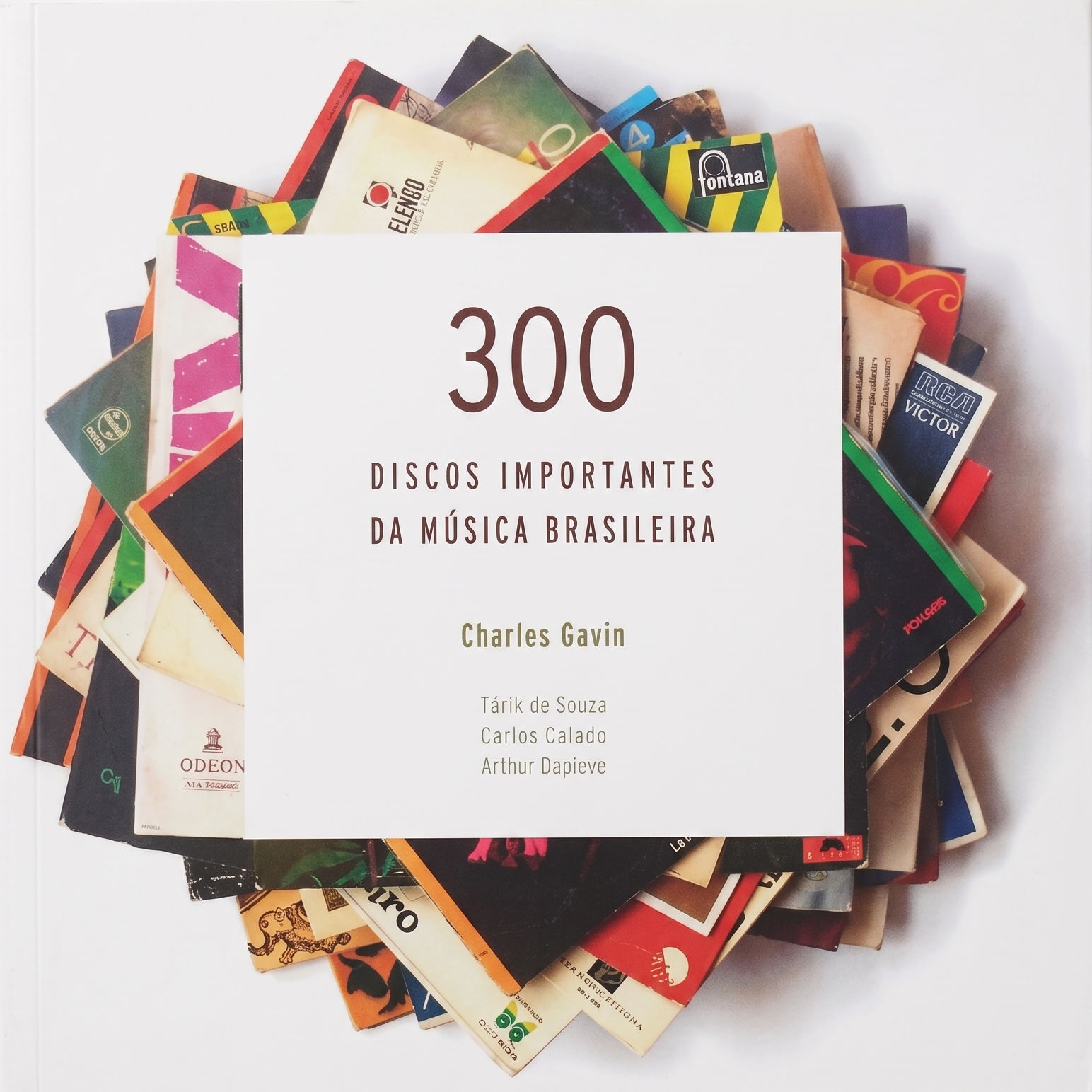
Analyses

Laurindo Almeida, Bud Shank: Brazilliance Vol. 1 (World Pacific, 1953).
jazzviking.blogspot.com
Laurindo Almeida (guitare), Bud Shank (saxophone alto), Harry Babasin (contrebasse), Roy Harte (batterie). Los Angeles, 15-22 avril 1953.
Laurindo Almeida e Bud Shank - Brazilliance vol 1
violaobrasileiro.com.br
Record Label: World Pacific/Blue Note Producer: Richard Bock Release: (LP/1953), (CD/1991) Note: LP recorded in the United States, in 1953. Originally, the album was called The Laurindo de Almeida Quartet.
Portal eduCapes: O samba-jazz de Laurindo Almeida e Bud Shank : a ...
educapes.capes.gov.br
The samba-jazz of Laurindo Almeida and Bud Shank: the harmonic, melodic, and rhythmic synthesis of the album brazilliance vol.1 (1953)
PDF Samba-jazz De Laurindo Almeida E Bud Shank:
acervodigital.ufpr.br
The samba-jazz of Laurindo Almeida and Bud Shank: the harmonic, melodic, and rhythmic synthesis of the album Brazilliance vol.1 (1953)
Metadados do item: O samba-jazz de Laurindo Almeida e Bud Shank : a ...
oasisbr.ibict.br
The samba-jazz of Laurindo Almeida and Bud Shank: the harmonic, melodic, and rhythmic synthesis of the album brazilliance vol.1 (1953)