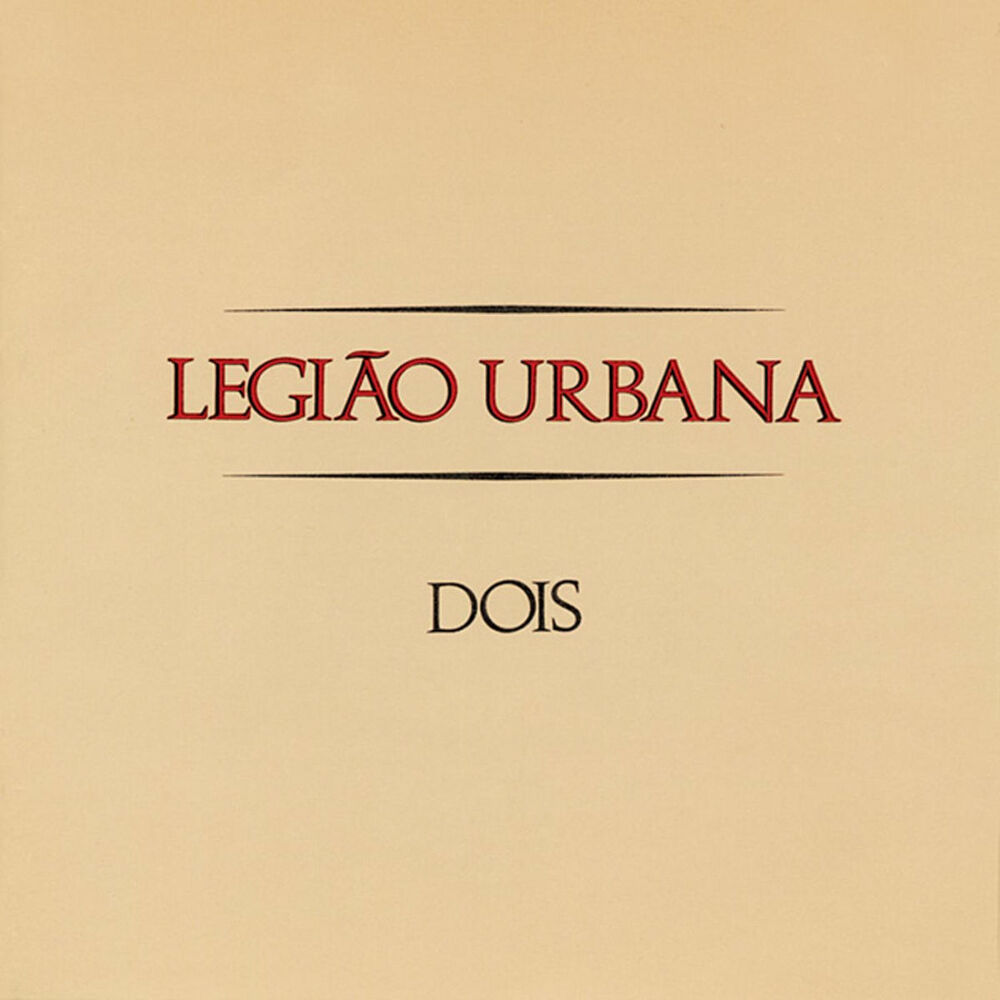
Dois
Legião Urbana
1986
Rankings
Why This Album Matters
Released in 1986, Dois is Legião Urbana's second studio album, solidifying the Brazilian band's rock with a striking sound and profound lyrics. The album features a musicality that O Estado de S. Paulo's critics described as having "flesh, bleeding", with a "taste of The Smiths on side A", revealing Renato Russo's lyrical and vocal mastery on tracks like "Daniel na Cova dos Leões" or "Tempo Perdido", which set the stage for the energy of side B, on songs like "Metrópole" and "Fábrica". The album is notable for containing some of the group's greatest classics, such as the timeless "Tempo Perdido", which became a generational anthem, and "Eduardo e Mônica", a narrative that, despite being considered challenging for not having a chorus, achieved immense success. Tracks like "Índios" and "Quase sem Querer" also contributed significantly to Legião Urbana's sonic and lyrical identity in this work, reinforcing its position in the musical landscape. Visually, the album featured an emblematic booklet with a photo of an embraced couple, with their backs to the camera and facing the sea, captured by Ico Ouro Preto. This image complemented the introspective and, at the same time, expansive atmosphere of the compositions.

Not coincidentally, Dois is the most commercially successful album of the band's career and created such a strong connection with the public that it gave rise to what would become the true urban legion: a huge army of fans.
José Julio do Espírito Santo · Rolling Stone Brasil
Context
The overwhelming success of Legião Urbana's debut album, which had already sold 100,000 copies, generated immense pressure for the creation of its successor. Initially, Renato Russo conceived the idea of a double album, provisionally titled Mitologia e Intuição, but the proposal was not well received by the record label. EMI opted for a single album, resulting in the reduction of the repertoire from 20 to 12 tracks. This phase was marked by the so-called "second album syndrome", a period of great expectation and challenge for the band, with Renato seeking to surpass previous achievements, and the other members, like Marcelo Bonfá, recognising that it was "really a challenge, as we had a deadline to create and there was a lot of expectation, both from the record label and the band itself".
Recording
The production of Dois was led by Mayrton Bahia, then assigned by EMI-Odeon to work with the label's new artists, with the exception of the song "Eduardo e Mônica", which was produced by Renato Russo. The band adopted a composition method that involved presenting instrumental foundations without melody or song fragments, which would later be fitted together. During the recording, which used 16 channels, the mixing process proved to be quite complex, requiring the manual separation of instruments that ended up blending together. Edits were frequent, often carried out simultaneously by three people. It was during this work that the band began to incorporate and more naturally accept the use of effects in their music, expanding their sonic possibilities. There was also a desire to work more with acoustic guitars, which can be noticed on tracks like "Andrea Doria".
Songs
The lyrics of Dois explore diverse themes and have peculiar origins. The opening track, "Daniel na Cova dos Leões", begins with sounds reminiscent of a poorly tuned radio, featuring excerpts from "Será" and the anthem of the Socialist International. "Plantas Embaixo do Aquário" mentions the Cold War and arose from a letter from Mayrton Bahia to Renato Russo, aiming to relieve the pressure felt by the musician. The lyrics for "Acrilic on Canvas" were developed with the consultation of friends from Brasília familiarised with painting. There were suggestions to change the title to "Oil on Canvas" due to the incongruity in mixing acrylic, but Renato kept the original name, justifying it with "poetic license". The song "Tempo Perdido", one of the album's big hits, was already part of the band's live repertoire before being recorded and later inspired the title of the film Somos Tão Jovens. The track "Andrea Doria" is named after an Italian ship that sank in 1956, and "Fábrica" later received a Spanish version recorded by the Argentinian band Attaque 77. Besides the main tracks, "Química" was included as a bonus track, but only on the cassette version of the album, presenting a different version from the one that would be released on the album Que País É Este 1978/1987.

The audience was still discovering and becoming familiar with the incredible repertoire of Legião Urbana's first LP, released at the start of the previous year and overshadowed by Rock in Rio, where the band didn't yet have the standing to perform, when the second album, Dois, even more incredible, arrived in stores.
Arthur Dapieve · 300 Discos Importantes
Legacy
Dois was not only an immediate success but also solidified its position as one of the most important works in Brazilian music. The album holds Legião Urbana's sales record, driven by the success of songs like "Eduardo e Mônica" and "Tempo Perdido", surpassing the mark of 1.5 million copies sold. Its relevance is attested by various lists and recognitions: it holds the 21st position on Rolling Stone Brasil's list of the 100 greatest Brazilian music albums. Furthermore, in September 2012, it was voted by the public of Eldorado FM radio, the Estadao.com portal, and Caderno C2+Música (affiliated with O Estado de S. Paulo newspaper) as the third-best Brazilian album of all time.
Tracks
Credits
Mayrton Bahia
Renato Russo
Marcelo Bonfá
Renato Rocha
Dado Villa-Lobos
Podcasts
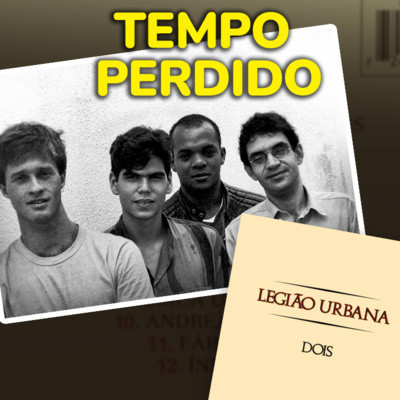
Ouça o que eu digo · Júlio Ettore
"Que isso, Renato, para... eu não sei fazer isso!" - respondeu Marcelo Rubens Paiva quando Renato Russo pediu ajuda pra concluir a letra de "Tempo Perdido". Era o carnaval de 1985. Renato deixara de lado a canção "1977", pegando emprestados seus versos iniciais, e a canção "Gente Obsoleta", pegando sua harmonia e melodia. Adicionando reflexões baseadas em "Em Busca do Tempo Perdido", de Marcel Pro
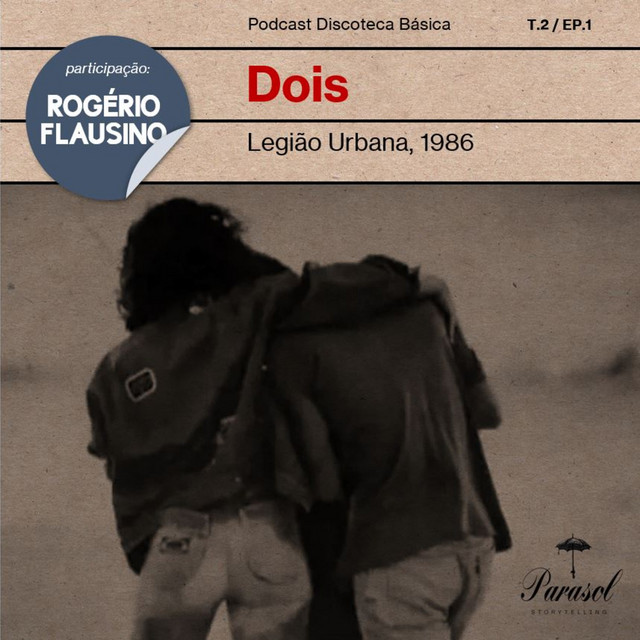
Discoteca Básica Podcast · Parasol Storytelling
Os legionários encaram a “síndrome do segundo disco” e se tornam lendas do rock brasileiro. Convidado do episódio: Rogério Flausino. Assinantes do CLUBE DISCOTECA BÁSICA têm acesso a conteúdo extra. Saiba como assinar: https://podcastdiscotecabasica.com/assine/ A história da “Turma de Brasília” da década de 1980 é a história de adolescentes sonhadores, que sabiam tocar um instrumento. Aproveit

Adega Musical · Andre Valdez
QUEM UM DIA IRÁ DIZER QUE NÃO EXISTE RAZÃO NAS COISAS FEITAS PELA LEGIÃOUm período legionário, à frente desta manifestação, o guru messiânico de uma geração: sensível, sem deixar de ser combativo e reflexivo, e uma catarse musical de uma juventude que almejava o direcionamento comportamental proferido por um grande líder.O Brasil do pós-ditadura vivia a lua de mel com a abertura política e o Plano

No primeiro de uma série de três programas especiais sobre a obra da Legião Urbana, Cleber Facchi (@cleberfacchi) e Nik Silva (@niksilva) conversam sobre um dos principais trabalhos do quarteto brasiliense: “Dois” (1986). Equilibrando o forte discurso político do álbum que o antecede com canções marcadas pelo lirismo introspectivo de Renato Russo, o disco inspirado pelo pós-punk inglês dos anos 19
Re:mix · re:mix
Destrinchamos o álbum de Renato Russo & cia e lembramos brevemente os 30 anos do filmaço TRAINSPOTTING
Videos
LEGIÃO URBANA - DOIS - A historia do Álbum
Vida Vitrola
LEGIÃOURBANA "DOIS" : ANÁLISE COMENTADA
Salomão Fonseca Gomes
Legião Urbana - Dois Análise do Album #1
Pensando Nisso.
Análise completa do álbum Dois da Legião Urbana | Com Julliany Mucury
Pitadas do Sal
Dois, um clássico da Legião Urbana [Parte 1]
Yuri Cunha - Culturalogue
Films


Books
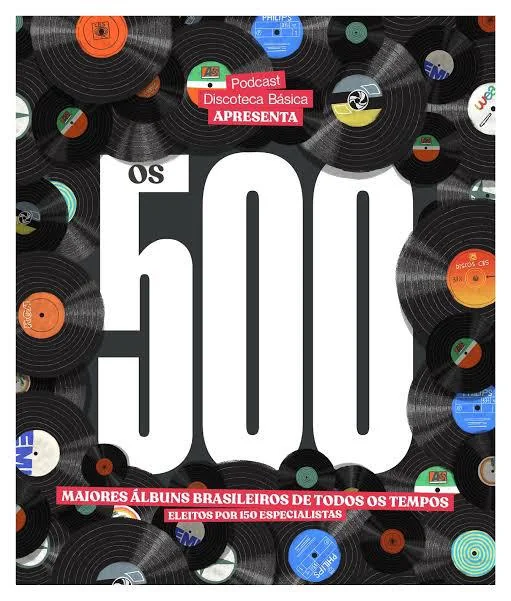
Os 500 Maiores Álbuns Brasileiros de Todos os Tempos
Ricardo Alexandre · 2022
The largest Brazilian music election ever conducted: 162 specialists, spanning journalists, critics, musicians, producers and podcasters, each nominated 50 essential albums, supported by a masterlist of more than 2,000 works. Led by Ricardo Alexandre with tabulation by Sérgio Jomori, it was published in December 2022 as a 200-page hardcover book with graphic design by Fernando Pires.
"A verdadeira Legião Urbana são vocês"
Gustavo dos Santos Prado · 2018
This book seeks to investigate the thematic developments present in Legião Urbana's work, as well as the reception process by the audience of the Brasília-based band.
Legião Urbana, Dois
Charles Gavin, Dado Villa-Lobos, Mayrton Bahia, Marcelo Bonfá · 2016
This book offers an in-depth analysis of Legião Urbana's album "Dois", situating it within the context of 1980s Brasília and the BRock scene. It discusses how the band, with its lucid, poetic, and visceral vision, captured the spirit of the era through the songs on this iconic album.
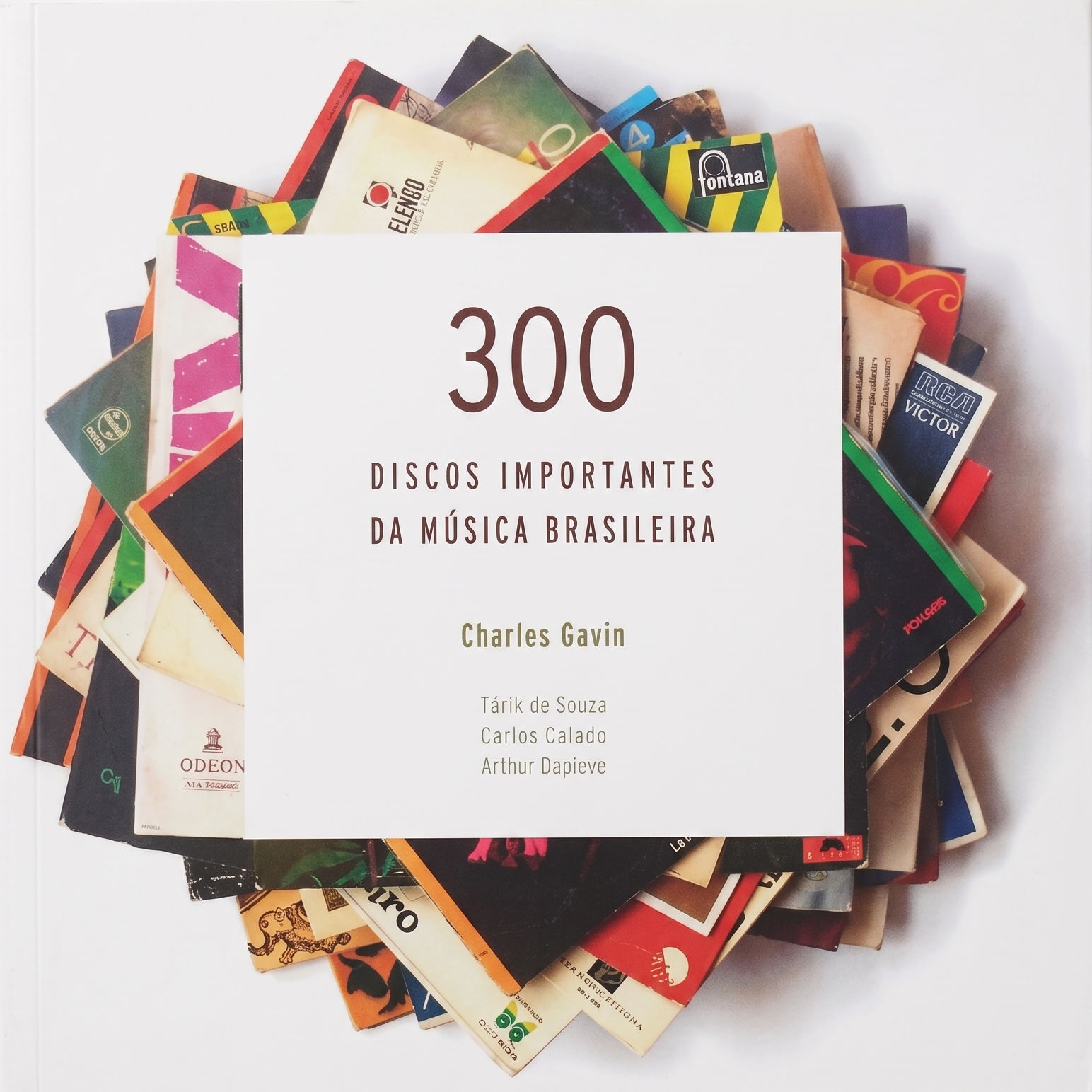
300 Discos Importantes da Música Brasileira
Charles Gavin, Tárik de Souza, Carlos Calado, Arthur Dapieve · 2008
Conceived by Titãs drummer and musical researcher Charles Gavin, the 434-page book brings together covers and reviews of albums released between 1929 and 2007. The texts were written by journalists Tárik de Souza, Arthur Dapieve and Carlos Calado.
Analyses
Dois – Wikipedia
Wikipedia, the free encyclopaedia
Dois – The 100 Greatest Albums of Brazilian Music
José Julio do Espírito Santo · Rolling Stone Brasil
Not coincidentally, Dois is the most commercially successful album of the band's career and created such a strong connection with the public that it gave rise to what would become the true urban legion: a huge army of fans.
Review: Legião Urbana - Dois (1986) - collectorsroom.com.br
collectorsroom.com.br
Rightfully considered one of the best albums ever recorded by a Brazilian band, Dois was responsible for showing that Legião could deliver much more than they had shown on their debut, and anticipated paths the group would follow in the subsequent years.
Legião Urbana - Dois: o álbum que transformou angústia em hino de ...
cantinhododisco.com.br
Released in July 1986 by EMI-Odeon, Dois arrived with enormous responsibility. Legião Urbana's first album had already placed the band at the centre of 80s Brazilian rock, but it was necessary to prove that it wasn't an accident.
Resenha - Dois - Legião Urbana - Whiplash.Net
whiplash.net
Therefore, "DOIS" becomes an album that closes the band's youthful and innocent cycle, pointing towards new paths and new possibilities.