Legião Urbana
Legião Urbana
1985
Rankings
Why This Album Matters
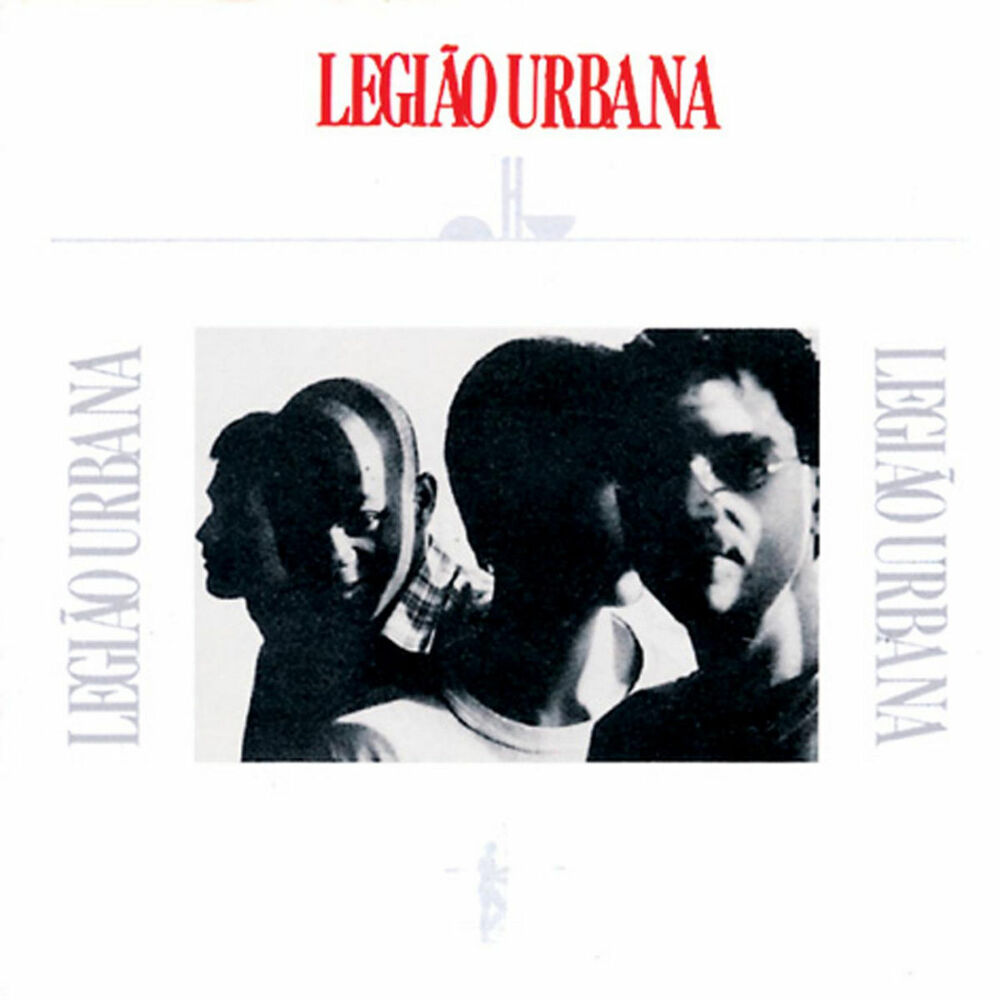
The debut album Legião Urbana, released on 2nd January 1985 by EMI, marks the starting point of one of Brazilian rock's most iconic bands. Recorded between October and December 1984, this work consolidated the sound and lyrical style that would become the group's signature. With a clear objective of producing a "simple work, with few musical flourishes and much authenticity", the album sought a balance between rawness and sophistication. Tracks such as "Será", "Geração Coca-Cola", and "Ainda É Cedo" quickly stood out, becoming big hits on Brazilian radio and exemplifying the band's ability to communicate profound messages with direct and impactful arrangements.

According to him, everything the band would address throughout its entire career was already there, in that song.
José Julio do Espírito Santo · Rolling Stone Brasil
Context
In the early 1980s music scene, Renato Russo already had a connection with the burgeoning Brazilian rock movement, being friends with the members of Os Paralamas do Sucesso. The presence of one of his compositions, "Química", on Paralamas' debut album, Cinema Mudo, caught the attention of Jorge Davidson, then artistic manager at EMI-Odeon. Impressed, Davidson, after being promoted to artistic director, invited Legião Urbana to join the label, making them the first band under his new management. It was also during this initial period that bassist Renato Rocha joined the group, completing the line-up that would record the album, after Renato Russo faced health problems that prevented him from continuing to play bass.
Recording
The album's recording, which took place between October and December 1984, was a process marked by challenges. Initially, the band planned to record only an EP, but faced difficulties in finding a suitable producer, with Marcelo Sussekind and Rick Ferreira declining the work. It was Mayrton Bahia, from EMI-Odeon, who encouraged them to persist. Eventually, José Emilio Rondeau took over production, even after a period of tensions, particularly with Marcelo Bonfá, which almost led him to abandon the project. Rondeau sought a sonic balance, avoiding both rawness and artificiality. Notable techniques included Renato Russo's vocal recording with two valve microphones and Bonfá's drum capture with strategically positioned microphones. Furthermore, Rondeau was a pioneer in editing "Perdidos no Espaço" by hand, using a blade and tape, in a pre-digital era. Despite these efforts, Renato Russo expressed that he was not entirely pleased with the final result, wishing the album sounded more like a live recording, an objective he felt was fully achieved only on the track "Petróleo do Futuro".
Songs
Most of the compositions present on the album already existed before the recording sessions, with the exception of "Por Enquanto". The song "Geração Coca Cola", viewed as crucial by record label executives, generated caution from Jorge Davidson, who presented only the lyrics to avoid objections to its "heavy" and "rebellious" instrumentation. Initially, EMI-Odeon expected a more folk sound, which led to several attempts for "Geração Coca Cola", including inspirations from Bob Seger and lighter versions, until a recording "less raw, but entirely faithful" to the band's vision was achieved. Furthermore, the track "Será" was chosen as the first single and received a music video recorded in São Paulo, whilst "Ainda É Cedo" was highlighted by critics as one of the album's great triumphs.
Legacy
Legião Urbana achieved notable commercial success, selling 550,000 copies, and was recognised by specialised critics, being ranked in 40th position on Rolling Stone Brasil's list of the 100 greatest Brazilian music albums. At the time of its release, the press lavished praise, with Tárik de Souza from Jornal do Brasil stating that the album "gives new directions to Rock Brasil", and José Augusto Lemos from Folha de S.Paulo highlighting "Ainda É Cedo" and the influences of Joy Division. The album's impact was quickly noted, with Revista Bizz from Editora Abril awarding it "Best Album of the Year" in 1985, as well as recognising Renato Russo as "Best Vocalist" and "Best Lyricist". Years later, the album's lasting relevance was reinforced by the use of an instrumental version of "Por Enquanto" in a Brahma commercial for the 2014 FIFA World Cup, and by its re-release in 2015, in the "Legião Urbana 30 Anos" edition, demonstrating its enduring place in Brazilian culture.
Tracks
Credits
Jorge Davidson
José Emilio Rondeau
Mayrton Bahia
Renato Russo
Marcelo Bonfá
Renato Rocha
Dado Villa-Lobos
Renato Luiz
Osmar Furtado
Rob
Amaro Moço, Renato Luiz
Amaro Moço, Toninho
Renato Russo
Ricardo Leite
Marcelo Bonfá
Fernanda P. Castro
Mauricio Valladares
Podcasts
Ouça o que eu digo · Júlio Ettore
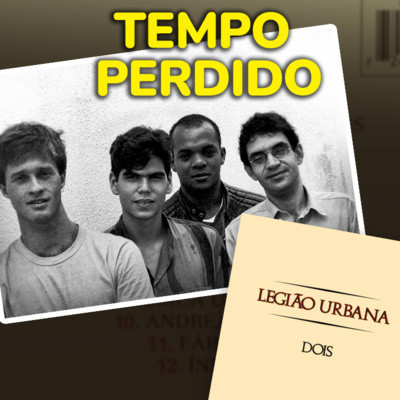
"Que isso, Renato, para... eu não sei fazer isso!" - respondeu Marcelo Rubens Paiva quando Renato Russo pediu ajuda pra concluir a letra de "Tempo Perdido". Era o carnaval de 1985. Renato deixara de lado a canção "1977", pegando emprestados seus versos iniciais, e a canção "Gente Obsoleta", pegando sua harmonia e melodia. Adicionando reflexões baseadas em "Em Busca do Tempo Perdido", de Marcel Pro
Vitrolacast · @joaoexpedito__ @lacardins
Comentando opiniões sobre as músicas do primeiro álbum do legião Urbana 🎙️
Falando sobre Música · João Henrique Machado
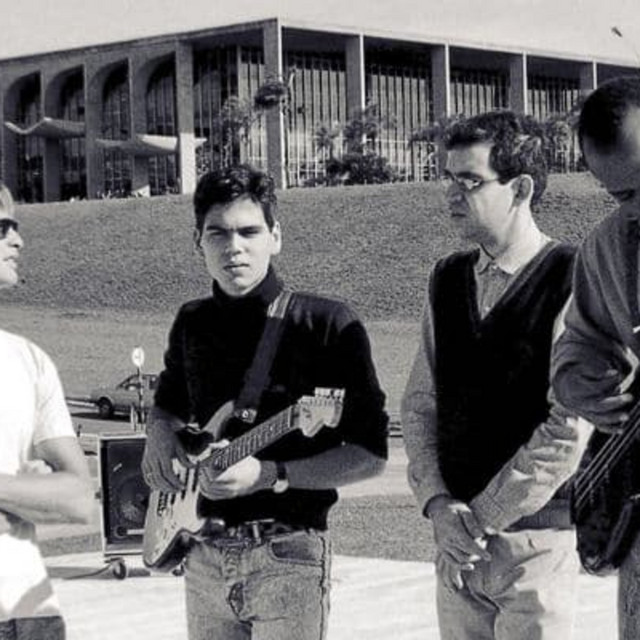
A Legião Urbana foi uma das bandas mais influentes do rock brasileiro, formada em Brasília em 1982 por Renato Russo, Marcelo Bonfá e Dado Villa-Lobos. Surgiu no contexto do rock nacional dos anos 1980 e destacou-se por suas letras profundas, poéticas e politizadas, que abordavam temas como juventude, amor, desigualdade social e crises existenciais. Com álbuns marcantes como Legião Urbana (1985), D
Videos
Análise completa do álbum Legião Urbana (Geração Coca-Cola) de 1985 | Com Julliany Mucury
Pitadas do Sal
O MELHOR álbum de estreia do ROCK BRASILEIRO? 2 PLÁGIOS? - Resenhando Legião Urbana (1985)
Playlist Sonora
Legião Urbana" Da Legião Urbana (1985 ) album review reaction pt1
FrankValchiria
Films

Books
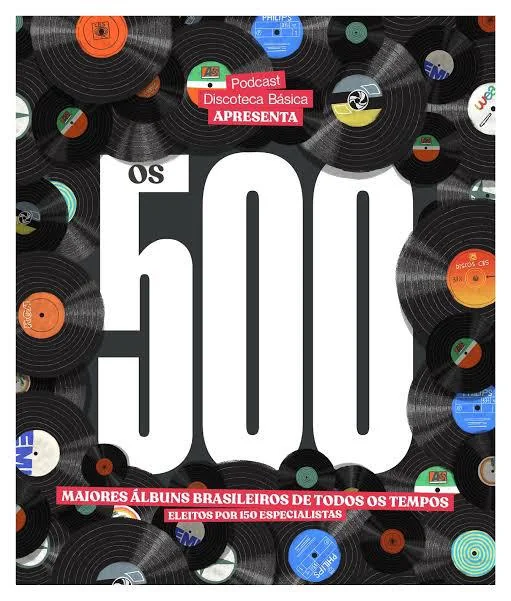
Os 500 Maiores Álbuns Brasileiros de Todos os Tempos
Ricardo Alexandre · 2022
The largest Brazilian music election ever conducted: 162 specialists, spanning journalists, critics, musicians, producers and podcasters, each nominated 50 essential albums, supported by a masterlist of more than 2,000 works. Led by Ricardo Alexandre with tabulation by Sérgio Jomori, it was published in December 2022 as a 200-page hardcover book with graphic design by Fernando Pires.
A Poesia Urbana na Legião de Renato Russo
Maria Yonar Marinho dos Santos · 2020
This work deepens studies on Renato Russo, interpreting the urban poetry present in Legião Urbana's songs, and contextualises its creation with the artist's biography and the Brazilian historical scenario.
"A verdadeira Legião Urbana são vocês"
Gustavo dos Santos Prado · 2018
This book investigates the thematic developments in Legião Urbana's work and the process of public reception, discussing the participation of youth movements linked to rock in the second half of the 20th century.
O melhor de Legião Urbana
Legião Urbana · 1999
This book, written by journalist Silvio Essinger, recounts the history of the group Legião Urbana since its emergence in the 1980s, highlighting the perpetuation of the band's musical work even after Renato Russo's death.
Analyses
Legião Urbana – Wikipedia
Wikipedia, the free encyclopaedia
Legião Urbana – The 100 Greatest Albums of Brazilian Music
José Julio do Espírito Santo · Rolling Stone Brasil
According to him, everything the band would address throughout its entire career was already there, in that song.
Legião Urbana (1985): um disco que explodiu como se a juventude inteira ...
teoriacultural.com.br
And amidst this tide of ruins and doubts, Legião Urbana emerges with an album that not only tore the decade in half — but set fire to the heart of an entire generation.
Banda Legião Urbana e o disco histórico de 1985
naeradovinil.com
Legião Urbana's historic 1985 album. Relive the 40th anniversary of the vinyl record that gave voice to youth and marked generations with intense lyrics.
Especial Legião Urbana parte 1, 1985: "Mudaram as Estações"
teoriacultural.com.br
The album opens with the classic anthem "Será", a song immortalised through generations, and can still be considered one of the band's biggest hits today. With its fast-paced, engaging rhythm and verses of nonconformity, it became a favourite among fans and radio stations across Brazil.