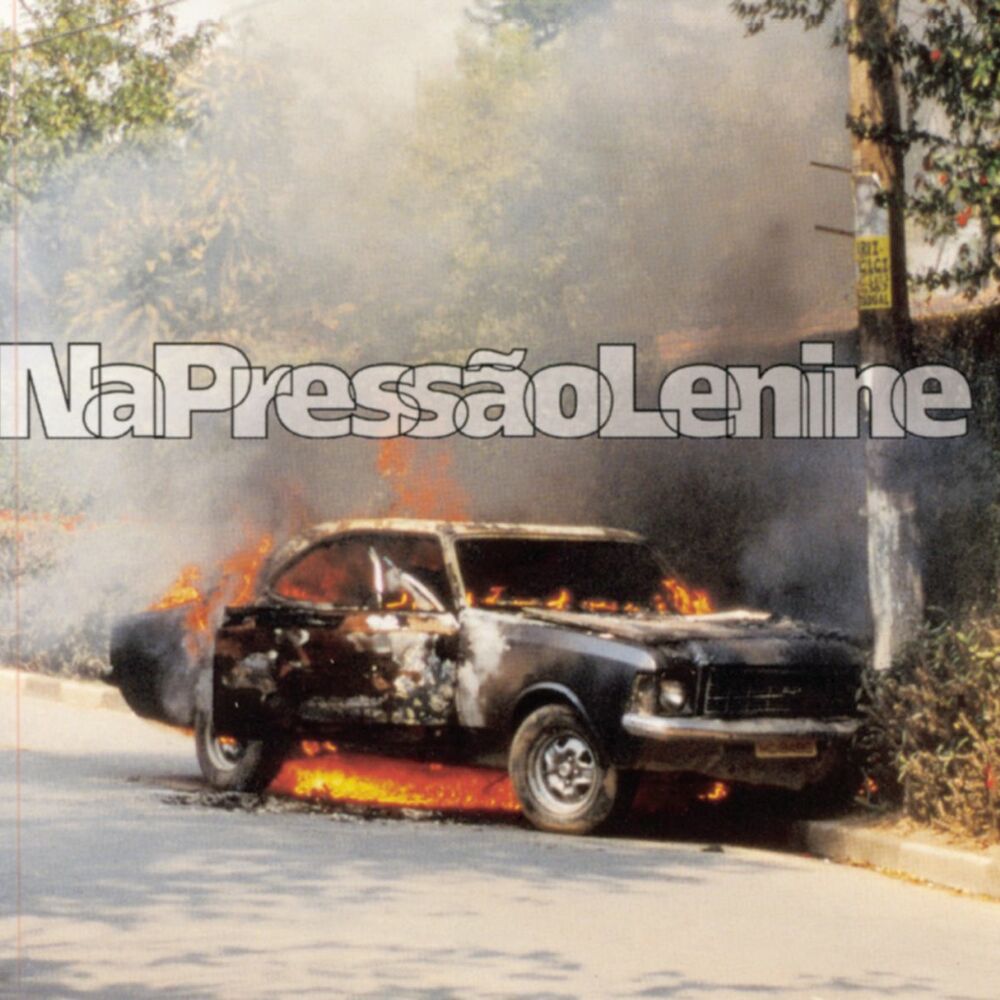
Na Pressão
Lenine
1999
Rankings
Why This Album Matters
Released in 1999, Lenine's album Na Pressão represents a landmark in Brazilian popular music, solidifying the artist as one of the most innovative and versatile voices of his generation. The album is an effervescent fusion of electronic and acoustic elements, where the organic sound of the acoustic guitar intertwines with digital programming and samplers, creating a hybrid sound that would become a signature of the composer. This work not only deepened Lenine's musical language, but also stood out for its audacious sonic experimentation and its ability to traverse multiple genres. Na Pressão is a cultural melting pot that embraces the richness of MPB, incorporating influences from Northeastern Brazilian music such as samba and baião, and skilfully blending them with the energy of alternative rock, the inventiveness of electronic music and the breadth of world music. Lenine's ability to unite tradition and modernity, the regional and the global, is evidenced in each track, making the album a watershed in his discography and a reference point for contemporary Brazilian music. It is a work that demands attentive listening, revealing layers of complex arrangements and poetic lyrics that engage with social and existential questions.
Context
Before Na Pressão, Lenine already had a career spanning nearly two decades in music, with notable collaborations and albums that paved his way. He released Baque Solto (1983) with Lula Queiroga and Olho de Peixe (1993) with Marcos Suzano, demonstrating his inclination for partnerships and rhythmic exploration. His first solo album, O Dia em Que Faremos Contato (1997), was crucial, establishing his hybrid sound and generating the hit "Hoje Eu Quero Sair Só", which projected him to a wider audience. Na Pressão, therefore, emerges as a continuation and a deepening of this sonic proposition. The album reflects Lenine's artistic maturity, as, after years of experimentation and building a unique musical identity, he reaches a point of synthesis and greater definition of his language. This album consolidates the foundation of his work, which blends the rich tradition of Northeastern Brazilian music with the contemporaneity of pop and electronic music, marking a period of great creative effervescence for the artist.
Recording
The production of Na Pressão was a process of intense creative freedom and sonic experimentation, described by Lenine as an "exorcism" experience. The album marks Lenine's first collaboration with producer Tom Capone, whose innovative approach was fundamental to the fusion of electronic and acoustic elements that characterise the work. Capone, known for his boldness and ability to navigate various styles and artists, brought a particular "flair" for making music that perfectly matched Lenine's vision. The recordings took place in an experimental environment. Although "Toca do Bandido" is credited as the recording location, part of the process happened at Tom Capone's own home before the studio was fully built, with instruments purposefully scattered throughout the rooms to capture diverse sounds. Production was handled by Lenine and Tom Capone, with mixing carried out at Mega studio. The inclusion of samplers, programming and digital effects, together with acoustic instrumentation, reveals meticulous care in constructing the sonic textures and the depth of the arrangements, resulting in a three-dimensional and immersive sound.
Songs
The songs on Na Pressão demonstrate Lenine's genius in composing poetic lyrics with social and introspective themes, wrapped in a rich rhythmic tapestry. The opening track, "Jack Soul Brasileiro", is a vibrant tribute to Jackson do Pandeiro, a master of the fusion of coco and baião. In Lenine's version, the homage incorporates funk, hip-hop and embolada, showcasing the artist's ability to revere tradition while projecting it into the future. The title track, "Na Pressão", co-written with Sérgio Natureza and Bráulio Tavares, uses culinary metaphors to address the tension and danger present in society, with verses that allude to massacres and guerilla warfare, suggesting a critique of social violence. Another undeniable highlight is "Paciência", which became one of the album's most famous songs. The song is a reflection on the urgency of contemporary life and the search for a more serene time. Compositions such as "Meu Amanhã (Intuindo o Til)" and "A Rede" also reinforce the album's lyrical and musical diversity, exploring Lenine's unique universe with the combination of acoustic guitar, percussion, electronics, and the depth of sounds captured from everyday life.
Legacy
Na Pressão was met with great enthusiasm by specialised critics and the public, solidifying Lenine's position as one of the pillars of contemporary Brazilian music. The album cemented his reputation as an innovative and versatile artist. Its success was recognised with a nomination for the Latin Grammy in 2000 in the Best MPB Album category, attesting to the quality and relevance of his work. In addition to popular acclaim, the album received excellent reviews from critics, with AllMusic awarding it 4.5 out of 5 stars and Album of the Year scoring it 90/100. Na Pressão not only expanded Lenine's reach, but also became a benchmark album, influencing how Brazilian music could incorporate electronic and world music elements without losing its roots and identity.
Tracks
Books
Analyses
Na Pressão – Wikipedia
Wikipedia, the free encyclopaedia
Lenine / Na Pressao (1999) | ニッカー・マードックのToday's Choice
ameblo.jp
Lenine / Na Pressao (1999) 1997年突如ブレイクしたブラジリアン・ロックの風雲児レニーニ。 ブラジル国内はもとよりヨーロッパが注目する中、1999年リリースされたアルバムで、共演作もカウントすると通算4枚目にあたるもの。
Revisitando Meus Clássicos: Lenine - Na Pressão (1999)
monkeybuzz.com.br
Lenine had already been on the road for two decades when he recorded Na Pressão in 1999. If, in the union between old and unreleased compositions, he could see a collection of short stories, it is the production that brings the rounded feel of what would become one of his biggest commercial successes.

"Na Pressão" (RCA/BMG, 1999), Lenine
discosessenciais.blogspot.com
Released in 1999, Na Pressão is characterised not only by continuing the sonic proposal of the previous album, but also by the fusion of traditional Northeastern music with the contemporaneity of pop music. Na Pressão features references from coco, funk, maracatu, embolada, rock, rap, repente, and baião.
Lenine, "Na Pressão" - Música Brasileira
fiubrazil.home.blog
That was what impressed me most about the album: it was the constant attention to rhythm, as if Lenine's aim was to reimagine each rock 'n' roll instrument (electronic bass, vocals, drums, and guitar) from a Pernambucan's point of view.