A Via-Láctea
Lô Borges
1979
Rankings
Why This Album Matters
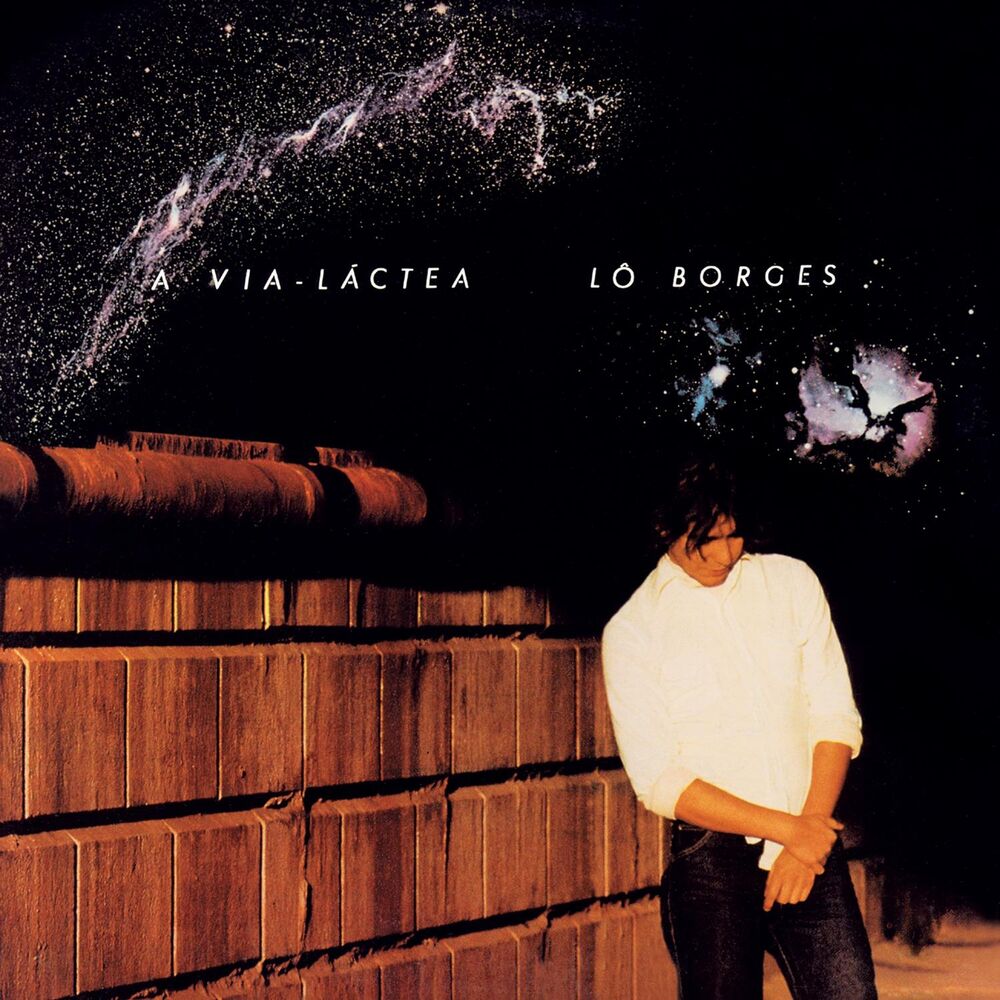
A Via-Láctea, released in 1979, represents a fundamental landmark in Lô Borges' discography, signalling his anticipated return after a seven-year hiatus in solo phonographic production. The album is acclaimed as one of the most complete and representative of his career, solidifying the Minas Gerais sound he helped define. With a mixture of rock, pop, and MPB elements, the record displays creative and gentle melodic lines, sustained by plastic and organic harmonic progressions, revealing Lô Borges' artistic maturity. This work is frequently described as a pinnacle of Brazilian 'dream pop', characterised by its dreamlike, imaginative atmosphere and timeless sound. The lyrical sensibility and melodic richness present in A Via-Láctea invite deep listening, where each musical layer serves the melody in an organic and uplifting way, making it an album to be continually rediscovered.
Context
Following the effervescence of 1972, the year Lô Borges released the seminal Clube da Esquina with Milton Nascimento and his acclaimed solo debut album (popularly known as "Disco do Tênis"), the young artist experienced a period of intense success, but also great pressure. The demand for constant compositions and the distancing from friends and family led Lô to isolate himself, returning to Minas Gerais and adopting a slower approach to musical creation. Over the following seven years, Lô Borges withdrew from the limelight, opting for a more reclusive, 'hippie' lifestyle in places like Arembepe, Bahia, before returning to Belo Horizonte. His return to the music scene occurred in 1978, with participations on Clube da Esquina 2, and culminated in 1979 with the release of A Via-Láctea. Milton Nascimento, his long-time partner, acted as an intermediary between Lô and the record label, facilitating the release of the new songs after his prolonged absence.
Recording
A Via-Láctea was recorded in 1979 and released by Odeon, with production direction by Mariozinho Rocha. The album featured a notable array of musicians, reflecting the collaborative spirit and instrumental richness characteristic of Minas Gerais music of the era. Among the credits, prominent names include Wagner Tiso on ARP Omni synthesiser and piano, Telo Borges on piano, Cláudio Venturini and Paulinho on electric guitars, Paulinho Carvalho on bass and 12-string viola, Hely on drums, and a team of percussionists including Aleuda, Robertinho, and Toninho Horta. Sound engineering was handled by professionals such as Franklin, Nivaldo Duarte, Dacy, Mayrton, and Roberto, with Osmar Furtado responsible for the lacquer cutting. Milton Nascimento's presence as executive producer also underlines the importance of the Clube da Esquina circle in the conception of the work. This combination of talents resulted in progressive and intentional arrangements, with more confident and robust vocals, solidifying the particular sound Lô Borges was seeking.
Songs
The repertoire of A Via-Láctea is a true MPB treasure, with many songs that would become classics on Lô Borges' compilations. Notable tracks include the ethereal "A Via-Láctea", which lends its name to the record, and the emblematic "Clube da Esquina nº 2", whose lyrics by Márcio Borges were created over an instrumental track recorded on the album Clube da Esquina, reinforcing the connection with the collective. Other striking compositions include "Equatorial", co-written with Beto Guedes, the delicate "Vento de Maio", and the profound "Tudo Que Você Podia Ser", all co-written with Márcio Borges. The album also features "Nau Sem Rumo" and collaborations with names such as Ronaldo Bastos, Fernando Oly, Rodrigo Leste, and Paulinho Carvalho, in addition to vocal participation from Lô's sister, Solange Borges. The songs explore themes such as nature, introspection, and human complexities, all enveloped in melodies that invite a dive into poetic and at times psychedelic soundscapes.
Legacy
A Via-Láctea not only marked Lô Borges' triumphant return after a long period of silence, but also established itself as a cult album and one of the high points of his career. Critics and fans consider it a "masterpiece from the Minas Gerais world, soft and gentle", and an essential piece for collectors and lovers of Brazilian music. The presence of nine out of the album's ten songs in any Lô Borges compilation attests to its lasting relevance and the strength of his compositions. The record is recognised for its ability to evoke 'dream pop' imagery, with a sound that some describe as a kaleidoscope of sensations, being constantly praised for its strong melody and the beauty of Lô's voice. Although Lô Borges maintained a more sporadic output in subsequent decades, A Via-Láctea cemented its importance in MPB and Minas Gerais music, influencing generations and serving as a testament to his singular artistic vision.
Tracks
Credits
Milton Nascimento
Mariozinho Rocha
Osmar Furtado
Franklin Garrido, Nivaldo Duarte
Dacy Rodrigues, Mayrton Bahia, Roberto Castro
Kélio Rodrigues, Tadeu Valério
Kélio Rodrigues, Marcio Borges
Podcasts
Playlist Eldorado · Rádio Eldorado
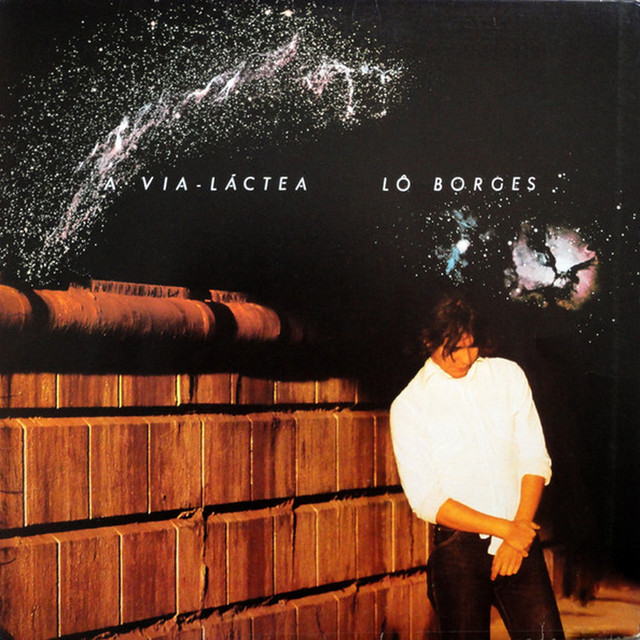
Nesta edição do 'Disco da Semana,' Felipe de Paula conta a história de 'A Via-Láctea', terceiro álbum de estúdio do cantor e compositor Lô Borges, lançado em 1979.See omnystudio.com/listener for privacy information.
Films

Books
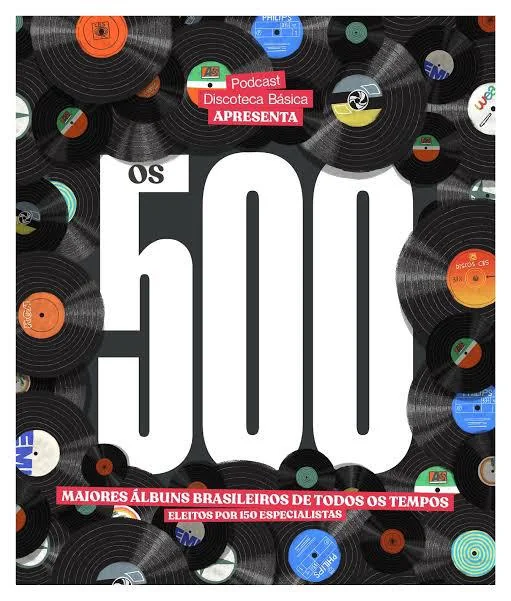
Os 500 Maiores Álbuns Brasileiros de Todos os Tempos
Ricardo Alexandre · 2022
The largest Brazilian music election ever conducted: 162 specialists, spanning journalists, critics, musicians, producers and podcasters, each nominated 50 essential albums, supported by a masterlist of more than 2,000 works. Led by Ricardo Alexandre with tabulation by Sérgio Jomori, it was published in December 2022 as a 200-page hardcover book with graphic design by Fernando Pires.
Os sonhos não envelhecem
Márcio Borges · 1996
This is a testimony from Márcio Borges, Lô Borges' brother and a central figure of Clube da Esquina, about the life, music, relationships, and feelings of that generation. Although not an exclusive biography of Lô Borges, it is a fundamental work that offers a profound and comprehensive context regarding Lô Borges' artistic and personal development and the movement that influenced him, being essential for understanding his work, including 'A Via-Láctea'.
Analyses
A Via-Láctea – Wikipedia
Wikipedia, the free encyclopaedia

#23 - Lô Borges - A Via-Láctea (1979) - Ranking dos (meus ... - Blogger
tudooqueeutenhoadizersobremusica.blogspot.com
In 1972, Lô Borges presented us with a large number of highly original songs, both on his debut album and on the legendary Clube da Esquina.
#23 - Lô Borges - A Via-Láctea (1979) - Ranking dos (meus) 107 Melhores ...
pressenza.com
Following this, the artist waited seven years to release his second work, A Via-Láctea (1979), which featured musicians Paulinho Carvalho, Telo Borges, Fernando Oly, Hely, Robertinho Silva, Toninho Horta, Wagner Tiso, among others.

Lô Borges - A Via-Láctea (1979)
br320.blogspot.com
Artist: Lô Borges Album: A Via-Láctea Year: 1979 This edition: 2003 (Remastered CD re-issue from the "Odeon 100" series...