Los Hermanos
Los Hermanos
1999
Rankings
Why This Album Matters
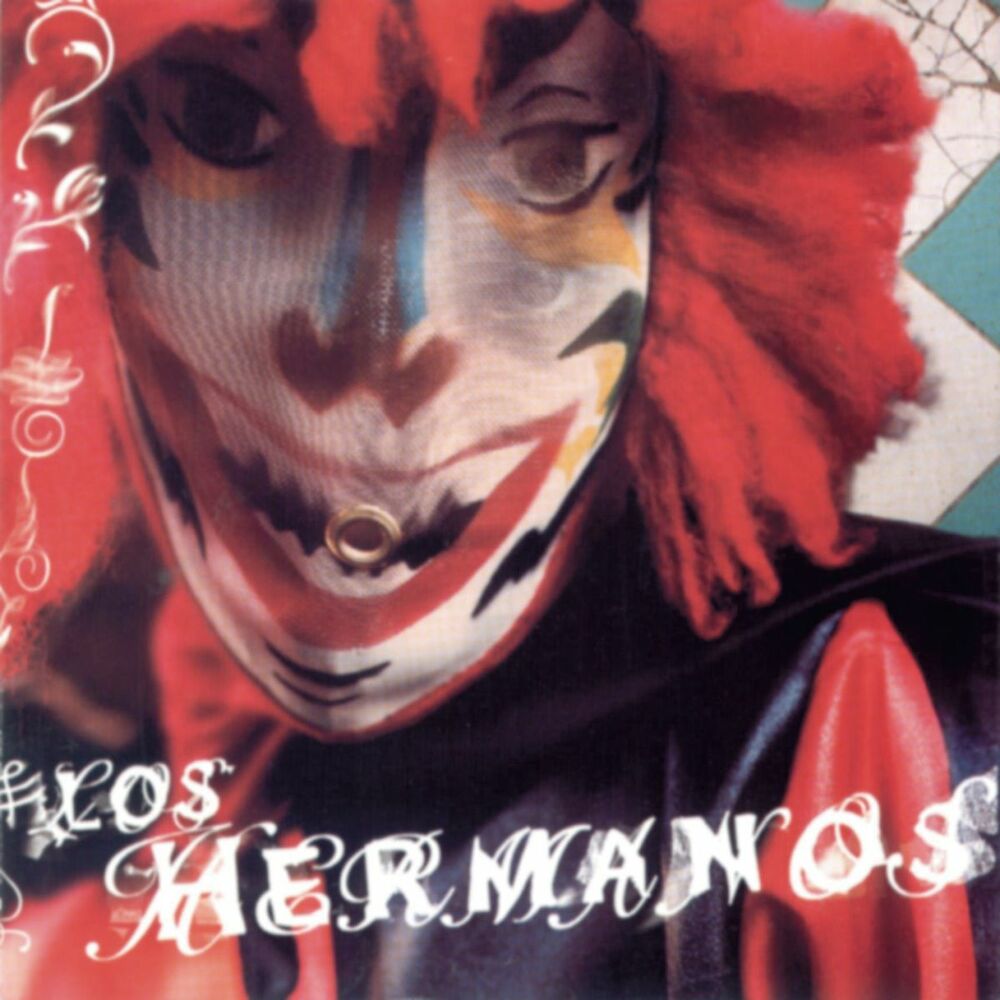
Los Hermanos' self-titled debut album, released in 1999, burst onto the Brazilian music scene with a sound that defied easy classification and anticipated the versatility that would become the band's hallmark. In a period dominated by more commercial trends, the album presented a bold fusion of hardcore, 'marchinhas de carnaval' (carnival marches), and ska, seasoned with the poetry and melancholy of MPB, creating a vigorous and creative sound for its time. This inaugural work, the only one to feature the full original line-up, not only revealed the compositional talent of Marcelo Camelo and Rodrigo Amarante, but also the group's ability to transition between the raw energy of rock and melodic sophistication. The album stands out as a youth manifesto, addressing themes of love and disillusionment with rich instrumentation, which included a brass section, lending striking originality to its alternative rock.
Context
Formed in Rio de Janeiro in 1997, the band Los Hermanos emerged from the corridors of PUC-Rio, where Marcelo Camelo and other members, such as Bruno Medina and Rodrigo Barba, began to develop a proposal that mixed hardcore with light lyrics about love. Initially, the group garnered attention for the peculiarity of its arrangements, which combined the weight of hardcore with elements of carnival marches and references from 'samba de roda' (wheel samba). Initial recognition came with their participation in the Abril Pro Rock festival in 1998, which led to them signing a contract with Abril Music the following year. In the late 90s, the Brazilian music scene was effervescent, with the rise of popular genres like axé and pagode, while rock explored various strands, from pop rock to punk and ska. The arrival of Los Hermanos, with their hybrid and authentic proposal, represented a breath of fresh air and a sonic alternative to the standards of the time.
Recording
The album Los Hermanos was recorded in 1999 and featured production by Rick Bonadio, a prominent figure in the Brazilian rock scene at the time, known for his work with successful bands. Paulo Anhaia was responsible for the sound engineering, digital editing, and mixing of the project. The album's technical specifications reveal the participation of the band's original line-up, with Marcelo Camelo on vocals and guitar, Rodrigo Amarante on vocals and flute, Patrick Laplan on bass, and Rodrigo Barba on drums, in addition to Bruno Medina on keyboards. Guest musicians, such as Mário Lúcio Marques on saxophone and Sidney Borgani on trombone, contributed to the album's characteristic brass arrangements, enriching the group's already diverse sound. The special participation of Roger Moreira, from Ultraje a Rigor, on vocals for "Bárbara", also adds a notable touch.
Songs
Musically, Los Hermanos is a melting pot of influences, alternating between the aggression of hardcore, the cadence of ska, and the festive spirit of 'marchinhas', all permeated by lyrics that explore the nuances of relationships. The album is driven by hits like "Anna Júlia" and "Primavera", which quickly catapulted the band into the mainstream, but it is not limited to them. Tracks like "Pierrot" became classics among fans, while heavier songs like "Tenha Dó", "Descoberta", and "Azedume" showcase the band's rock vein. The album's composition is predominantly by Marcelo Camelo, but Rodrigo Amarante's presence as a lyricist is evident in "Quem Sabe" and "Onze Dias", where he also takes on lead vocals. The track "Vai Embora" further surprises with an interesting jazzy passage, demonstrating the musical breadth the group already displayed on its debut.
Legacy
Los Hermanos' debut album was an undeniable commercial success, certified gold for over 100,000 copies sold, making it the band's most commercially successful work to date. Much of this success was driven by the megahit "Anna Júlia", which dominated the charts, and by the single "Primavera". However, the overwhelming success of "Anna Júlia" created a dilemma for the band, which initially found itself labelled as a 'one-hit wonder', leading them to seek a new sonic path in subsequent albums. Despite this, the album was critically acclaimed, receiving a Latin Grammy nomination in the Best Brazilian Rock Album category in 1999. This debut work is considered a landmark of the 90s, revolutionising the Brazilian musical landscape and paving the way for the cult career that Los Hermanos would build, now being a reference for innovative arrangements and beats.
Tracks
Credits
João Augusto
Rafael Ramos, Rodrigo Castanho
Patrick Laplan
Ivan Dizioli, Sergio Panda
Rodrigo Barba
Rodrigo Amarante
Marcelo Camelo
Bruno Medina
Mário Lúcio Marques
Sidnei Borgani
Nahor Gomes
Ricardo Garcia
Jerry Napier
Rob Brill
Lampadinha, Paulo Anhaia
Alexandre Ktenas
Rui Mendes
Podcasts
Programa de Indie
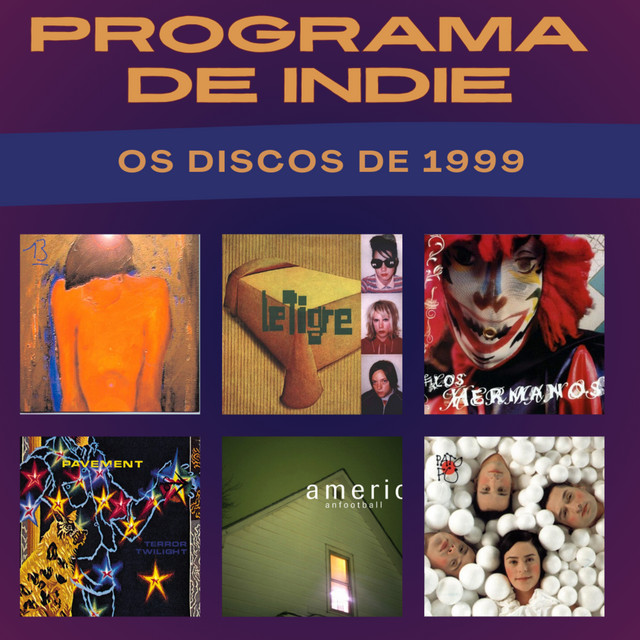
Um dos programas mais tradicionais do Programa de Indie está de volta: o nosso Jubileu de Prata – quando comemoramos o aniversário de 25 anos de discos que marcaram a nossa memória. E olha que o programa de 1999 está recheadíssimo: tem Blur, tem Pavement dizendo adeus, Fiona Apple fazendo mil e uma travessuras, o Pato Fu e os Los Hermanos representando o rock nacional, a volta de Kathleen Hanna co
Videos
Álbum de Estreia: LOS HERMANOS | 1999
Música Social *
Analyses
Los Hermanos – Wikipedia
Wikipedia, the free encyclopaedia

Los Hermanos (álbum autointitulado) - Los Hermanos, 1999 | Resenha
notonlyrockandroll.wordpress.com
Heartbreak, pop, hardcore, distinctive vocals and brass. In October 1999, Los Hermanos released their self-titled debut album. A record with a 90s soul, it showed a band different from what would be heard in the future, but a very interesting one. Check out the review:
Los Hermanos (álbum autointitulado) - Los Hermanos, 1999 | Resenha | It ...
ultrajearigor.blog
Heartache, pop, hardcore, distinct vocals and brass. In October 1999, Los Hermanos released their self-titled debut album. An album with the soul of the 90s, which showcased a band... And "Bárbara" closed the tracklist, featuring Roger Moreira, from Ultraje a Rigor, on vocals.

MUSICA&SOM: Discografias Comentadas: Los Hermanos
tabernanovostempos.blogspot.com
As one of the main national acts at Rock in Rio III in 2001, the new Los Hermanos presents a new approach, slowing down the pace and investing in compositions and arrangements, which is demonstrated in the excellent Bloco do Eu Sozinho.

Crítica - Álbum Los Hermanos - Los Hermanos (1999)
contemporaneatendencia.blogspot.com
The first Los Hermanos album has a very distinct sound from the band's subsequent albums, with a more hardcore sound, mixed with ska, frevo, and brass sections.