Piano e Cordas Volume II
Luiz Eça
1970
Rankings
Why This Album Matters
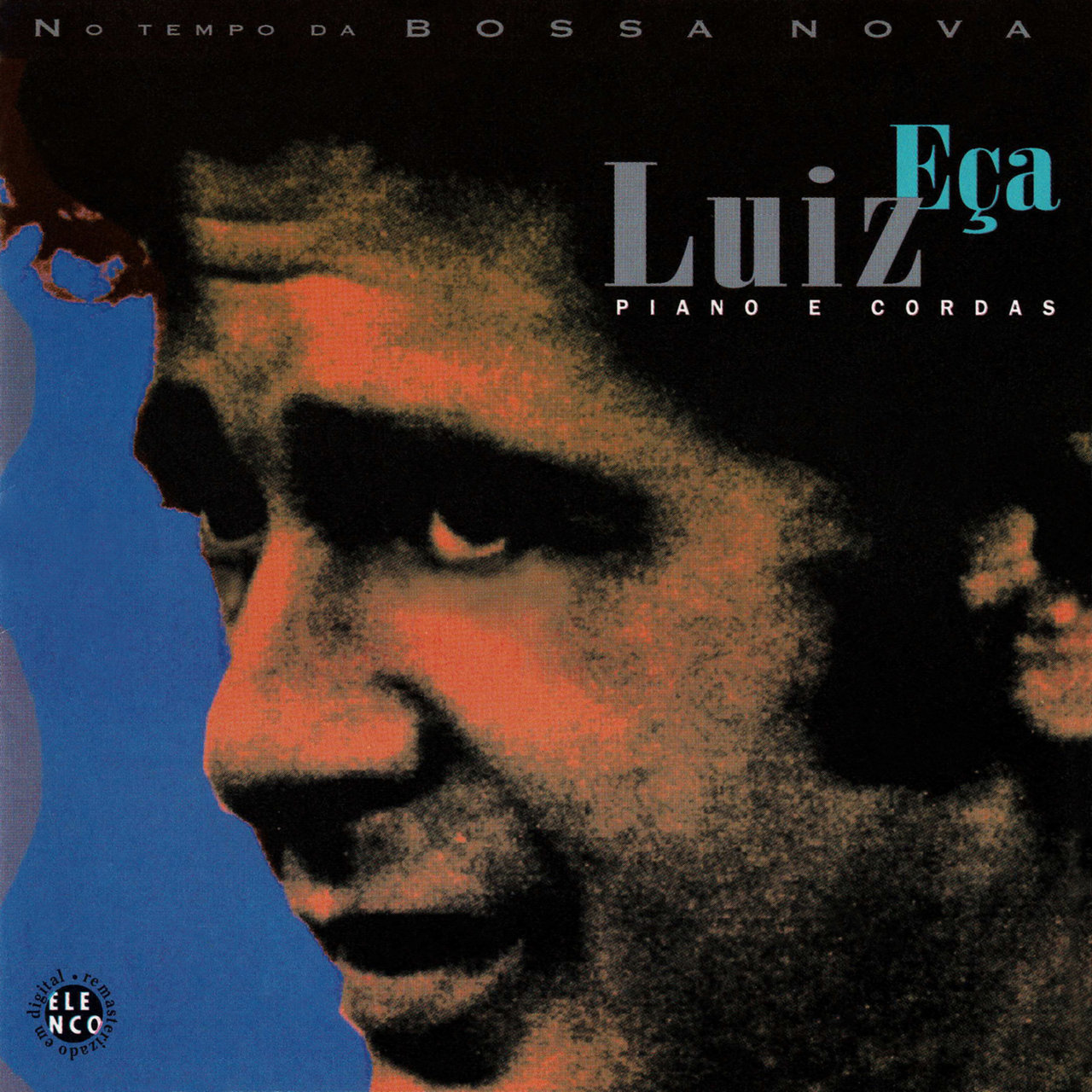
Piano e Cordas Volume II, released in 1970, represents one of Luiz Eça's authentic masterpieces, reaffirming his status as one of the most accomplished pianists in Brazilian popular music. The album maintains the high technical and artistic quality of its predecessor, Luiz Eça & Cordas (1964), consolidating the sophisticated fusion between Eça's singular piano and orchestral string arrangements, dressing the compositions in 'gala attire'. This instrumental work is not only a delight for the ears, but also a landmark in the artist's career, who saw the "Piano e Cordas" series as a watershed moment in Brazilian music. Eça explored an increasingly dense and complex musical language, navigating between avant-garde jazz and easy listening elements, always with a touch of elegance and innovation that distinguished him in the musical landscape of the time. The album is a testament to Luiz Eça's genius as an arranger and interpreter, where his classical training meets the harmonic richness of bossa nova and MPB. It is a work that demonstrates the depth of his talent, elevating the piano to an unparalleled level of expressiveness, and which continues to be appreciated for its beauty and musical sophistication.
Context
Luiz Eça, a central figure in the effervescent bossa nova scene, was already widely recognised as the pianist-mentor and founder of the iconic Tamba Trio, formed in 1962. With solid classical piano training, Eça masterfully transitioned to popular music, being one of the architects of the distinctive bossa jazz sound. The release of Piano e Cordas Volume II in 1970 occurred during a period when Luiz Eça was deepening his compositional and arrangement explorations, seeking a complexity that transcended the genre's initial conventions. The album Luiz Eça e Cordas, from 1964, had already established a standard of excellence, and the 1970 follow-up demonstrates the continuous evolution and refinement of his musical language.
Recording
The album Piano e Cordas Volume II was released in 1970 by the Elenco label, which was part of Philips at the time. Production was handled by the renowned musician Roberto Menescal, a prominent figure in Brazilian music, known for his sensitivity and refinement. The instrumental arrangements, which are one of the pillars of the album's sophisticated sound, were created by Luiz Eça himself, demonstrating his mastery of orchestration and the interaction between piano and strings. Although specific details about the studio and recording techniques are not widely documented, it is known that the album was recorded in Rio de Janeiro and stands out for its high technical recording standard. There are no specific credits for the string orchestra musicians.
Songs
With a total of thirteen tracks, Piano e Cordas Volume II presents a refined selection of compositions, which alternate between original pieces by Luiz Eça and reinterpretations of MPB classics. Among the original works, highlights include "Três Minutos Para Um Aviso Importante", composed in partnership with Novelli, the beautiful "Daulphine", a solo work by Eça that would become a jazz standard, and "Oferenda", co-written with his wife Lenita Plonczynski. The album also shines in its instrumental interpretations of renowned songs, such as "Preciso Aprender a Ser Só" by the Valle brothers, "Pra Dizer Adeus" by Edu Lobo and Torquato Neto, and "Minha Namorada", a partnership between Carlos Lyra and Vinicius de Moraes. Other highlights include "Depois da Queda" by Roberto Menescal, "Duas Contas" by Garoto, "Travessia" by Milton Nascimento and Fernando Brant, and "Wave" by Tom Jobim. The album also features two compositions by Dori Caymmi: "O Homem Entre o Mar e A Terra" and "Nosso Homem Em Três Pontas", all transformed by Luiz Eça's unique vision and elegant arrangements.
Legacy
Piano e Cordas Volume II is considered a "masterpiece" and received a highly positive reception, solidifying Luiz Eça's reputation as one of the most important Brazilian musicians. Eça himself recognised the relevance of the "Piano e Cordas" series, stating that Brazilian music could be divided into before and after its conception, which underscores his perception of the work's impact. Luiz Eça's legacy, frequently cited as an influencer of generations of musicians, remains alive through his arrangements and compositions, which continue to be revisited and studied. He was not only a distinguished pianist, but also a teacher and developer of an ingenious arrangement method. The song "Daulphine", featured on this album, achieved jazz standard status, being recorded by international artists, which attests to the global reach and influence of his creation.
Tracks
Credits
Luiz Eça
Roberto Menescal
Ary Carvalhaes, João Moreira
Aldo Luiz
Ricardo Falcão
Books
Analyses
Luiz Eça - Piano E Cordas Vol.2 (1970) | Toque Musical
toque-musicall.com
In 1965, the notable musician and arranger Luiz Eça (1936-1992), Luizinho, released an authentic masterpiece, "Luiz Eça & cordas", which has already been offered to you by TM. Possibly, many who enjoyed this technically and artistically high-level work were hoping for a continuation.

Loronix: Luiz Eça - Piano e Cordas, Volume II (1970) - Blogger
loronix.blogspot.com
This is the first Luiz Eça solo LP, the acclaimed Piano e Cordas, Volume II (1970). As the name suggests this is all about Luiz Eça Piano with an orchestra accompaniment (cordas).