50 Anos de Chão
Luiz Gonzaga
1988

Rankings
Why This Album Matters
The album 50 Anos de Chão, released by Luiz Gonzaga in 1988, is a work of utmost importance in Brazilian discography, not being an original studio work, but rather a monumental compilation that celebrates half a century of the King of Baião's prolific career. It encapsulates the essence of Nordestina music, with a particular focus on the rhythms of baião and forró, genres that Gonzaga not only popularised but definitively shaped for the Brazilian music scene. The album stands out for bringing together the repertoire that made him famous, showcasing the rhythmic and lyrical richness that became his trademark. This work serves as a testament to Luiz Gonzaga's genius in transposing the culture and sounds of the sertão to the heart of urban Brazil. Through his accordion, zabumba, and triangle, the artist created a universal musical language, capable of moving and making people dance, perpetuating stories and landscapes of the Nordeste. It is an essential record for understanding the depth and breadth of his contribution to Brazilian popular music.
Context
The release of 50 Anos de Chão in 1988 coincided with a crucial moment in Brazil's history: the country was undergoing the process of redemocratisation after a long period of military dictatorship, culminating in the promulgation of the Federal Constitution in the same year. It was a period of cultural and social effervescence, where the search for identity and representation gained strength. In this scenario, Luiz Gonzaga, who had already won over Brazil decades earlier, was experiencing a resurgence in his popularity. After a period in the 60s where public taste turned towards bossa nova and yé-yé-yé, Gonzaga re-emerged in the 70s and 80s, partly due to re-recordings of his songs by renowned artists such as Geraldo Vandré, Caetano Veloso, Gilberto Gil, and his own son, Gonzaguinha. The compilation therefore emerged as a timely celebration of his career and a recognition of his undeniable role in shaping Brazilian musical identity.
Recording
50 Anos de Chão is not an album recorded in a single session, but rather a vast compilation that brings together recordings made by Luiz Gonzaga throughout his career. Initially released in 1988, the original project was presented as a five-LP box set, gathering numerous hits and songs that marked his fifty years on the road. The production of this retrospective was overseen by José Milton for the RCA/BMG record label. Years later, in 1996, the compilation was adapted for digital format, being re-released as a three-CD box set, making this vast repertoire accessible to new generations of listeners. The tracks present date from different moments in Gonzaga's career, with the original recording dates indicated alongside the song titles, highlighting the temporal scope of the work.
Songs
The selection on 50 Anos de Chão is a true panorama of Luiz Gonzaga's compositional and interpretive genius. The album features a series of his greatest classics, many of which have become anthems of Nordestina and Brazilian culture. Among the standout tracks are emblematic songs such as "Asa Branca", "Vira e Mexe", "Vem Morena", "Baião", "Forró do Mané Vito", "Juazeiro", "Légua Tirana", "Cintura Fina", "No Ceará Não Tem Disso Não", "A Volta da Asa Branca", "Qui Nem Giló", "Assum Preto" and "Respeita Januário". The lyrics of the songs frequently describe the life, challenges, and beauties of the Nordestina sertão, addressing themes such as drought, faith, love, and Junina festivities. Compositions in partnership with names such as Humberto Teixeira and Zé Dantas are abundant, solidifying the importance of these collaborations for the development of baião and forró. The characteristic instrumentation, with the accordion, zabumba, and triangle, is present on all tracks, demonstrating the authentic sound that Gonzaga helped to disseminate.
Legacy
50 Anos de Chão further cemented Luiz Gonzaga's status as the "Rei do Baião" and one of the most influential figures in Brazilian popular music in the 20th century. The compilation, by grouping his greatest hits, served as a definitive compendium of his work, reaffirming his importance for the dissemination of Nordestina culture throughout the country. Although it is a compilation and not a studio album with unreleased compositions, its breadth and careful selection of tracks ensured that new generations had access to Gonzagão's musical legacy. The album was well received as a celebration of the artist's career, solidifying his place in any discussion about the greatest names in MPB and forró. Luiz Gonzaga's influence transcends time, and this 1988 compilation reinforces the lasting impact of his music on various MPB artists, such as Caetano Veloso, Gilberto Gil and his son Gonzaguinha.
Tracks
Videos
Chitãozinho & Xororó - Evidências [DVD 50 Anos Ao Vivo no Radio City Music Hall - NY]
Chitãozinho & Xororó
Films


Books
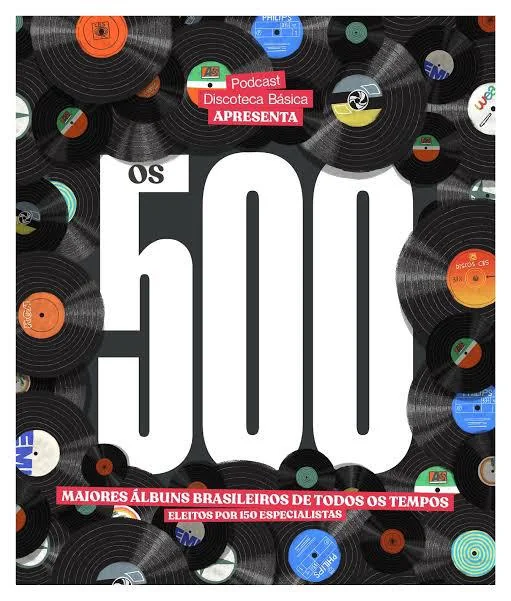
Os 500 Maiores Álbuns Brasileiros de Todos os Tempos
Ricardo Alexandre · 2022
The largest Brazilian music election ever conducted: 162 specialists, spanning journalists, critics, musicians, producers and podcasters, each nominated 50 essential albums, supported by a masterlist of more than 2,000 works. Led by Ricardo Alexandre with tabulation by Sérgio Jomori, it was published in December 2022 as a 200-page hardcover book with graphic design by Fernando Pires.
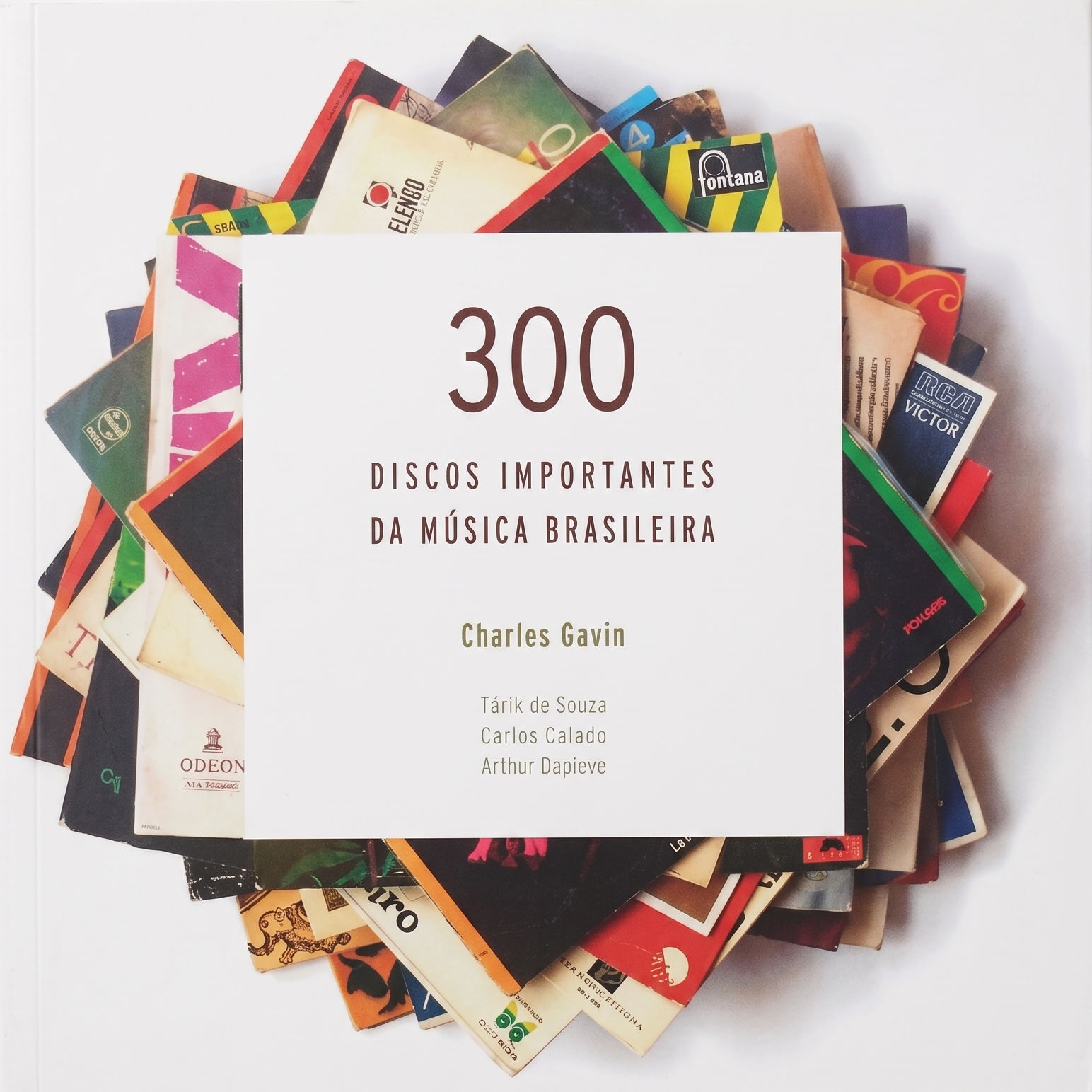
300 Discos Importantes da Música Brasileira
Charles Gavin, Tárik de Souza, Carlos Calado, Arthur Dapieve · 2008
Conceived by Titãs drummer and musical researcher Charles Gavin, the 434-page book brings together covers and reviews of albums released between 1929 and 2007. The texts were written by journalists Tárik de Souza, Arthur Dapieve and Carlos Calado.