Pérola Negra
Luiz Melodia
1973
Rankings
Why This Album Matters
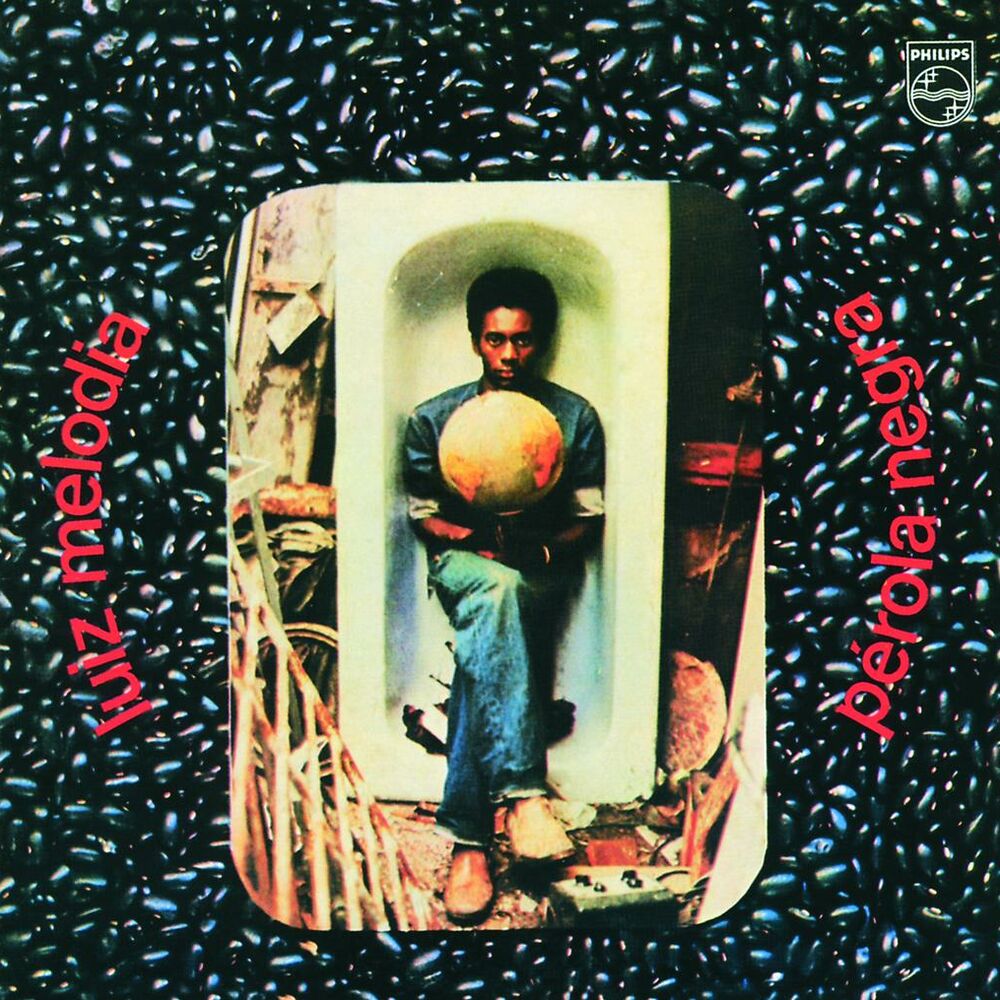
Pérola Negra, Luiz Melodia's debut album released in 1973, is a seminal work in Brazilian music, standing out for its unique fusion of genres that transcends classifications. The record presents an original blend of samba, blues, jazz, rock, and soul, combining the roots of Rio de Janeiro samba, the artist's birthplace, with global influences. Melodia's innovative sound and poetic, complex lyrics, filled with urban lyricism and ambiguity, solidified the artist's position as a unique voice in MPB. His approach to music was unclassifiable, a rhythmic cocktail of utterly original flavour that, 50 years after its release, retains the intact brilliance and audacity of 1973. At just 22 years old at the time, Melodia demonstrated impressive artistic maturity, delivering a 100% original, profound work with a practically finalised artistic concept. The album is a testament to his precocious genius and his ability to express complex feelings with a velvety-toned voice and a distinctive prosody.

What's more: it was discovered in '73 that, with all due respect to the Bahian divas, the best interpreter for Luiz Melodia's songs was he himself.
Ramiro Zwersch · Rolling Stone Brasil
Context
Luiz Carlos dos Santos, who would adopt the stage name Luiz Melodia, grew up in the favela of São Carlos, in the Estácio neighbourhood, Rio de Janeiro, a place known as the birthplace of samba. Son of Osvaldo Melodia, an amateur sambista, his contact with music was constant from childhood. Before his debut album, Melodia had already caught the attention of important figures in the Brazilian music scene. Poets such as Waly Salomão and Torquato Neto "discovered" him in the favela and introduced him to established artists. In 1971, Gal Costa recorded "Pérola Negra" on her acclaimed show and album Fa-tal: Gal a Todo Vapor, and in 1972, Maria Bethânia recorded "Estácio, Holly Estácio" on her album Drama - Anjo Exterminado, boosting Melodia's notoriety as a composer.
Recording
The album Pérola Negra was recorded in a period of less than 60 days, during the summer of 1973. The musical production was handled by Guilherme Araújo. Although the original project envisioned twelve tracks, two songs, "Feras que virão" and "Feto", were banned by the military dictatorship's censorship, resulting in a record with ten tracks and a duration of just under 28 minutes. The work featured arrangements by Perinho Albuquerque and Arthur Verocai, and the participation of musicians who would later form Banda Black Rio and keyboardist José Roberto Bertrami of Azymuth, lending a touch of funk and jazz to the sound.
Songs
The ten tracks on Pérola Negra are all original compositions by Luiz Melodia, many of which became classics in his repertoire. Among them, the title track "Pérola Negra", "Estácio, Eu E Você", "Estácio, Holly Estácio", "Pra Aquietar", "Magrelinha", and "Farrapo Humano" stand out. The song "Pérola Negra" is an example of Melodia's lyrical depth, exploring the complexity of romantic feelings and the valorisation of Black identity. Originally titled "My Black, Meu Nego", the song was inspired by Marlene Selix and had its title suggested by Waly Salomão, who was also honouring a transvestite friend nicknamed Pérola Negra. The lyrics are marked by poetic ambiguity, with verses such as "Baby, te amo, nem sei se te amo" and "Tente esquecer em que ano estamos", which invite empathy and reflection on human and social relationships. Melodia's lyrics, in general, demonstrate an impressive poetic density for a young artist, transitioning between suffering and passion, drama and frankness, and utilising potent imagery such as blood to express declarations of love.

It was the Estácio crew who gave samba its current format, holding sway between the 1920s and 1930s: Ismael Silva (who laid claim to the term 'escola de samba'), his partner Nilton Bastos and the samba 'malandros' Brancura, Baiaco, Mano Edgar and Mano Rubens (anticipating the 'brodagem' of rap), as well as Bide (Alcebíades Barcelos), the connecting link to his associate Marçal, who came from Catumbi.
Tárik de Souza · 300 Discos Importantes
Legacy
Despite not being an immediate commercial success, Pérola Negra quickly gained critical and public recognition, becoming a cult album and one of the most prodigious debuts in Brazilian music. Time solidified its importance, and the record is consistently included in lists of the best Brazilian albums, even being ranked as the 32nd best of all time by Rolling Stone Brasil magazine. Luiz Melodia's compositions, such as "Pérola Negra" and "Estácio, Holly Estácio", became standards in the MPB repertoire, interpreted by big names like Gal Costa, Maria Bethânia, and Zezé Motta, long before the release of his own album. This prior recognition from his peers was crucial in opening doors at record labels and boosting his career. The album Pérola Negra marked the 1970s music scene with its unprecedented nature and audacity, consolidating Luiz Melodia as one of the most important Brazilian musicians. His legacy remains alive through reinterpretations and tributes, confirming the timeless relevance of his work.
Tracks
Credits
Arthur Verocai, Perinho Albuquerque
Perinho Albuquerque
Guilherme Araujo
Sérgio De Carvalho
Luiz Melodia
Dominguinhos
Perinho Albuquerque
Fernando Leporace, Luiz Alves, Rubão Sabino
Lula Nascimento, Pascoal Meirelles, Robertinho Silva
Hyldon, Piau
Rildo Hora
Luis Paraguai, Lula Nascimento, Robertinho Silva
Antonio Perna, Hugo Bellard
Joaquim Figueira
Luigi Hoffer, Luiz Paulo, Yeddo G. Nascimento
Rubens Maia
Podcasts
A dificuldade de classificar o som de Luiz Melodia fez com que o colocassem no balaio dos “malditos da MPB”. Seu primeiro disco “Pérola Negra” foi sucesso de crítica e aplaudido por seus pares geracionais, mas não teve o mesmo apelo com o público. Mas o tempo tem sua sabedoria e cada vez mais diferentes gerações redescobrem o trabalho de Melodia e entendem a sua grandiosidade enquanto compositor,
Roda de conversa sobre os melhores discos que completam 50 anos em junho de 2023. Participação de Daniel "Cuca" Moreira e Daniel Rezende. Produção e apresentação de Eduardo Osorio. CONTATOS E-mail: canalmusicatessen@gmail.com Instagram: @musicatessen 10 MELHORES DISCOS DE JUNHO DE 1973 1º) |80 pts| Pérola Negra (Luiz Melodia) 2º) |65 pts| Nervos De Aço (Paulinho da Viola) 3º) |30 pts| Primav

NOTTAcast · NOTTAast
Olá internet, está começando mais um episódio da curadoria musical do NOTTACast! Aqui a gente ouve, crítica e dá uma nota no final. Um podcast dedicado ao resgate a boa música e a um bate papo descontraído com crítica amadora sobre os mais diversos álbuns! Qual seu álbum favorito? Aquela música que ficou marcada, talvez por motivos pouco ou nada relacionados a música em si? Aqui você encontra, a c
Vinilteca · José Ono Junior e Guilherme Colpani
Quando Luiz Melodia ganhou seu espaço na música brasileira, os críticos esperavam que ele cantasse samba, por ser preto e vir do morro. Mas Luiz Melodia foi muito mais que samba. Foi samba, rock, blues, pop, baião. No emblemático ano de 1973, ele lançaria seu primeiro álbum: 10 músicas e 28 minutos que entrariam para a história da MPB. A Vinilteca é um projeto que nasceu no YouTube em 2016 e mig
Videos
"Pérola negra" - Luiz Melodia | Os melhores discos da MPB nos anos 70 | Alta Fidelidade
Alta Fidelidade
Discoteca Básica do Azoofa #35 - Luiz Melodia / Pérola Negra
Azoofa
Films


Books
Álbum 2 - 1972 a 1978
Pedro Alexandre Sanches · 2022
This volume from Pedro Alexandre Sanches' acclaimed "Album" series explores the history of Brazilian music through its records released between 1972 and 1978. As Luiz Melodia's "Pérola Negra" (1973) is a seminal album from this period, the work offers an in-depth context and a critical analysis most likely dedicated to it and other important releases of the era.
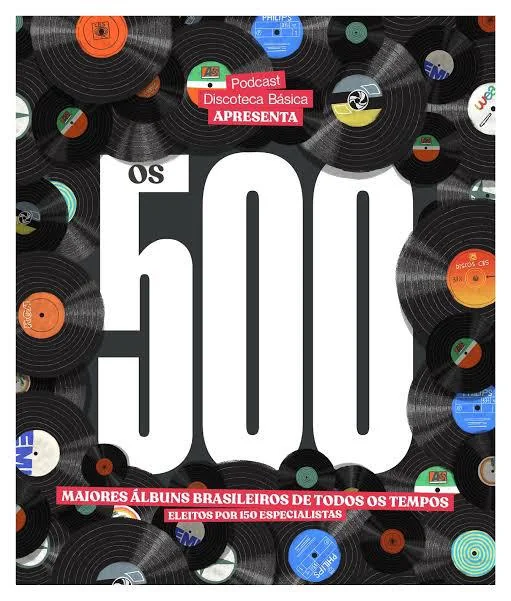
Os 500 Maiores Álbuns Brasileiros de Todos os Tempos
Ricardo Alexandre · 2022
The largest Brazilian music election ever conducted: 162 specialists, spanning journalists, critics, musicians, producers and podcasters, each nominated 50 essential albums, supported by a masterlist of more than 2,000 works. Led by Ricardo Alexandre with tabulation by Sérgio Jomori, it was published in December 2022 as a 200-page hardcover book with graphic design by Fernando Pires.
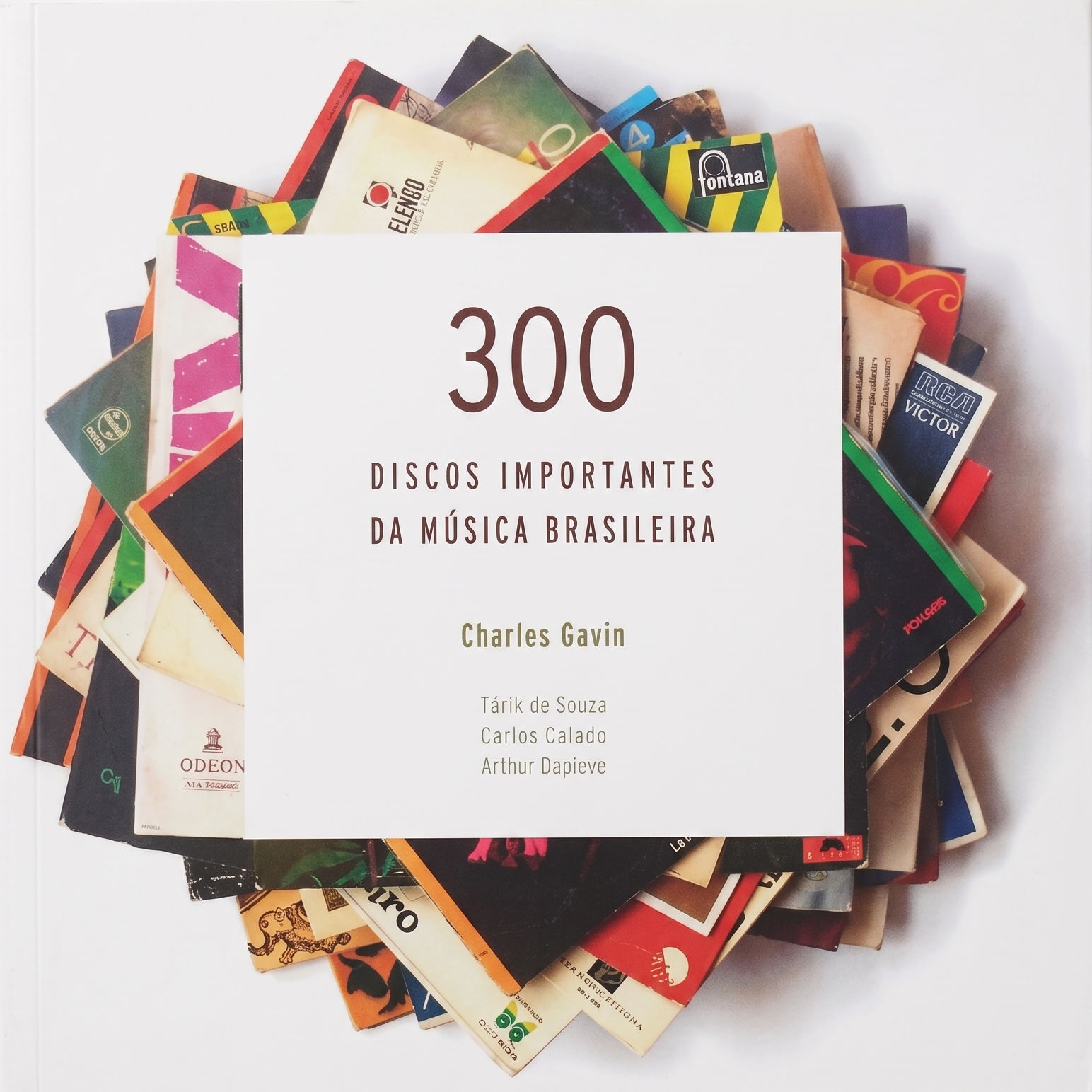
300 Discos Importantes da Música Brasileira
Charles Gavin, Tárik de Souza, Carlos Calado, Arthur Dapieve · 2008
Conceived by Titãs drummer and musical researcher Charles Gavin, the 434-page book brings together covers and reviews of albums released between 1929 and 2007. The texts were written by journalists Tárik de Souza, Arthur Dapieve and Carlos Calado.
Analyses
Pérola Negra – The 100 Greatest Albums of Brazilian Music
Ramiro Zwersch · Rolling Stone Brasil
What's more: it was discovered in '73 that, with all due respect to the Bahian divas, the best interpreter for Luiz Melodia's songs was he himself.
vinylfanatics.com - Vinyl Record Reviews, News and Forum
vinylfanatics.com
In the sweltering heat of 1973 Rio de Janeiro, while the military dictatorship tightened its grip on Brazil's cultural expression, a singular voice emerged from the favelas that would forever alter the landscape of Brazilian popular music. Luiz Melodia's debut album "Pérola Negra" arrived like a bolt of lightning through the sanitized world of mainstream MPB, carrying with it the raw ...
Clássicos do Aquele Tuim | Pérola Negra (1973)
aqueletuim.com.br
In summary, Pérola Negra shows us Luiz Melodia's love for living through culture, art, and life. Even after his passing, his passion for samba still resonates perfectly with the beat of Estácio.

Um disco indispensável: Pérola Negra - Luiz Melodia (Philips/CBD ...
cardapiosonoro.blogspot.com
Luiz Melodia: from Morro do São Carlos (RJ) to the world, musically astounding at 22 years old (source: Rubens Maia archive/internet)

MUSICA&SOM: Luiz Melodia - "Pérola Negra" (1973)
tabernanovostempos.blogspot.com
I always liked Luiz Melodia's "Pérola Negra", but over time this album grew more and more in my preference until, today, it has become one of my absolute favourites in my record collection. It is, certainly, for me, one of the most pleasurable Brazilian music albums to listen to.