Tudo Azul
Lulu Santos
1984

Rankings
Why This Album Matters
Tudo Azul, Lulu Santos' third studio album, released in 1984, is a work that solidifies the artist's versatility and inventiveness in the MPB scene. The album stands out for blending diverse influences, presenting songs that became milestones in his career and in Brazilian pop of the decade. The album is notable for featuring compositions that move between romanticism and contagious rhythms. Tracks such as "Lua-de-Mel", which combines the lightness of reggae with the energy of a carnival marchinha, and the timeless hit "Último Romântico", demonstrate Lulu Santos' ability to create songs with popular appeal and lyrical sophistication.
Recording
The production of Tudo Azul was handled by Liminha, with the recording stages carried out at Transamérica studio, in Rio de Janeiro, under the engineering of Vitor Farias. The mixing, in turn, was completed in New York, at the renowned Electric Lady studio, with Joe Barbaria at the sound desk. The technical sheet reveals rich instrumentation and a stellar cast of collaborators. Lulu Santos not only leads on vocals and composition, but also demonstrates his talent on 5 and 12-string guitars, slide guitar, pandeiro, bongos, keyboards, bass, drum programming, sitar, and acoustic guitar. Liminha contributes with bass, guitar, drum machine, and even "whip sounds", while Sérgio Herval (drums), Jorjão Barreto (keyboards, organ, bass), and Cidinho (percussion) form the rhythmic foundation. Instrumentalists such as Léo Gandelman (saxophones) and Bidinho (trumpet) enrich the brass arrangement. The album is also marked by illustrious collaborations on several tracks. Ritchie, in addition to playing flute, lends his voice to "Aguenta a Mão". The song "Ronca, Ronca" is a true festival of talents, featuring Rita Lee on vocals, Roberto de Carvalho on lead guitar, piano, and vocal, Evandro Mesquita on harmonica, and Erasmo Carlos also on vocals. The team of musicians also includes Zé Américo on accordion, Serginho on trombone in "Tão Bem", and Silvinha on harp in "O Último Romântico", forming a vibrant sound mosaic. The bands Os Paralamas do Sucesso and João Penca e Seus Miquinhos Amestrados also participated in the album.
Songs
Tudo Azul features a selection of songs that became emblematic in Lulu Santos' career. The track "Lua-de-Mel" is a notable example, built on a reggae foundation that merges uniquely with the spirit of a carnival marchinha, a rhythmic combination already re-recorded by Gal Costa, attesting to its relevance. Another unquestionable highlight is "O Último Romântico", which quickly established itself as one of the album's great successes. The song "Ronca, Ronca" is another high point, marked by vocal contributions from names such as Rita Lee and Erasmo Carlos, in addition to instrumental contributions from Roberto de Carvalho and Evandro Mesquita, creating a moment of convergence between generations and styles of Brazilian music.
Tracks
Credits
Liminha
Podcasts
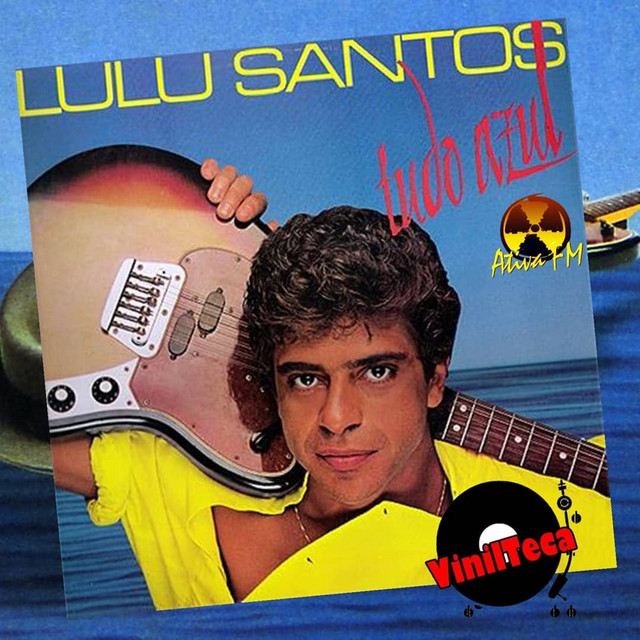
Vinilteca · José Ono Junior e Guilherme Colpani
O cantor Lulu Santos surgiu para o sucesso no início dos anos 80 cantando os sentimentos de toda uma geração que queria sol, praia, amor e liberdade. Em 1984, com seu terceiro álbum, "Tudo azul", ele definitivamente iria se tornar um dos maiores hitmakers do Brasil. A Vinilteca é um projeto que nasceu no YouTube em 2016 e migrou para o rádio e para o podcast, com apresentação dos atores e colecio
Books

Analyses
Tudo Azul – Wikipedia
Wikipedia, the free encyclopaedia
Lulu Santos Tudo Azul (Album)- Spirit of Rock Webzine (en)
spirit-of-rock.com
Lulu Santos : Tudo Azul,album, review, tracklist, mp3, lyrics
Lulu Santos - Tudo Azul (1984) - musicasdonordeste.net
musicasdonordeste.net
Blending a repertoire of MPB classics, Northeastern Brazilian music, and hits from the three artists, this project is a combination of all the best from the three previous editions.
Tudo Azul: O Rock na música popular - IMMuB
immub.org
Every artist feels a certain pressure for their second album. When the first one is successful, the second always brings a sense of insecurity, but it seems this wasn't really the case for Lulu Santos.
Encarte: Lulu Santos - Tudo Azul - Encartes Pop
encartespop.com.br
Tudo Azul is the third album of Lulu Santos' career and was released in mid-1984. This work is considered responsible for bringing Lulu increasing recognition as a singer and musician.