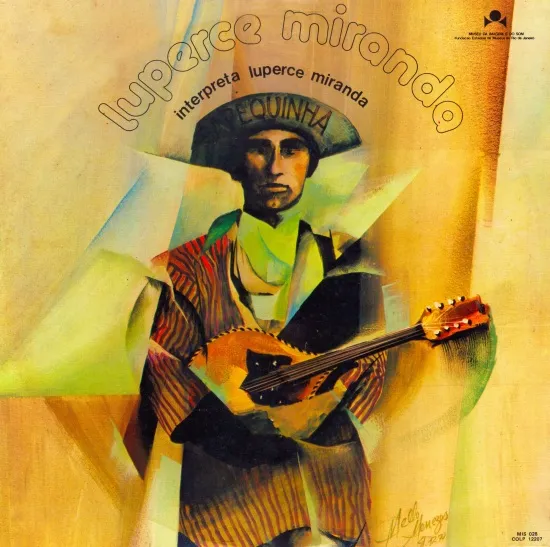
Interpreta Luperce Miranda
Luperce Miranda
1978
Rankings
Why This Album Matters
Interpreta Luperce Miranda, released posthumously in 1978, is an essential album for understanding the genius of Luperce Miranda, one of the greatest mandolin virtuosos and composers in the history of Brazilian music. This work stands out for exclusively featuring the artist's own compositions, solidifying his position not only as an accomplished instrumentalist but also as a prolific and sophisticated creator within the universe of choro and MPB. The album offers a rich overview of Luperce's technique and sensibility, whose mandolin interpretations were marked by impressive virtuosity, with beautiful phrasing and creative harmonic solutions. His instrumental work is a landmark in the development of a solid and virtuosic technique for the Brazilian mandolin, influencing generations of musicians and elevating the instrument to a prominent solo position within the regional ensemble.
Context
Luperce Bezerra Pessoa de Miranda had a long and notable career, which began in the 1920s. Born in Recife in 1904, he learned to play the mandolin at the age of eight, in a family where all eleven siblings were also instrumentalists. His journey took him to Rio de Janeiro, where he joined and formed various ensembles, such as the Turunas da Mauricéia and the Regional Luperce Miranda, and performed on prestigious radio stations like Mayrink Veiga and Nacional, accompanying icons such as Carmen Miranda and Francisco Alves. The year 1978, when the album was released, fell within a period of political transition in Brazil, still under the military regime that had extended since 1964. Political repression and censorship were realities, although the year also saw the beginning of amnesty movements and important strikes, such as that of the ABC metalworkers. Culturally, the second half of the 70s was marked by transformations, including the refinement of the cultural industry, which makes the release of an instrumental choro album an act of cultural preservation and recognition in a scenario of effervescence and change.
Recording
The album Interpreta Luperce Miranda was released in 1978 by Selo MIS (Museu da Imagem e do Som), a crucial initiative for the preservation and dissemination of Brazilian music. The recording took place a few months before the artist's passing, on 5 April 1977, lending the record the character of a musical testament. For this work, Luperce Miranda, on mandolin, was accompanied by a regional ensemble of notable musicians: Arlindo, Voltaire, Jorge Luperce, Paes Leme, and César Moreno on guitars, Índio on cavaquinho, and Sá Neto on pandeiro. This classic choro line-up allowed Luperce's virtuosity to be fully explored, with the mandolin prominently featured as a solo instrument.
Songs
All fourteen tracks on Interpreta Luperce Miranda are compositions by Luperce himself, reflecting his versatility and depth as a creator. Among the pieces that make up the repertoire are choros, frevos, and waltzes, genres in which Luperce left an indelible mark. Notable compositions include "Giceli", "Pixinguinha", "Reboliço", "Moto Contínuo", "Alma e Coração", "Quando Me Lembro", and "Querida". The songs are known for their high degree of technical difficulty, challenging even the most experienced mandolin players. Luperce Miranda explored the mandolin's resources in a singular way, with dynamic variations and the virtuosity of a sprinter, using trills and interwoven passages that created the sensation of two mandolins playing simultaneously.
Legacy
Luperce Miranda's importance to Brazilian music is widely recognised, being considered a "genius" by Heitor Villa-Lobos and "the king of the mandolin" by maestro Francisco Braga. The album Interpreta Luperce Miranda, released posthumously, plays a fundamental role in perpetuating his work and in recognising his legacy as a composer. The technical prowess and sensitivity demonstrated on the record continue to be a reference point for leading mandolin players in Brazil. Although there are no specific records of awards or large sales figures for this particular album, the fact that it was released by the Museu da Imagem e do Som underscores its historical and cultural value. Luperce Miranda's work, in general, inspired and influenced generations of mandolinists, including Jacob do Bandolim, with whom he maintained a notable artistic "rivalry" that propelled the instrument's development in Brazil.
Books
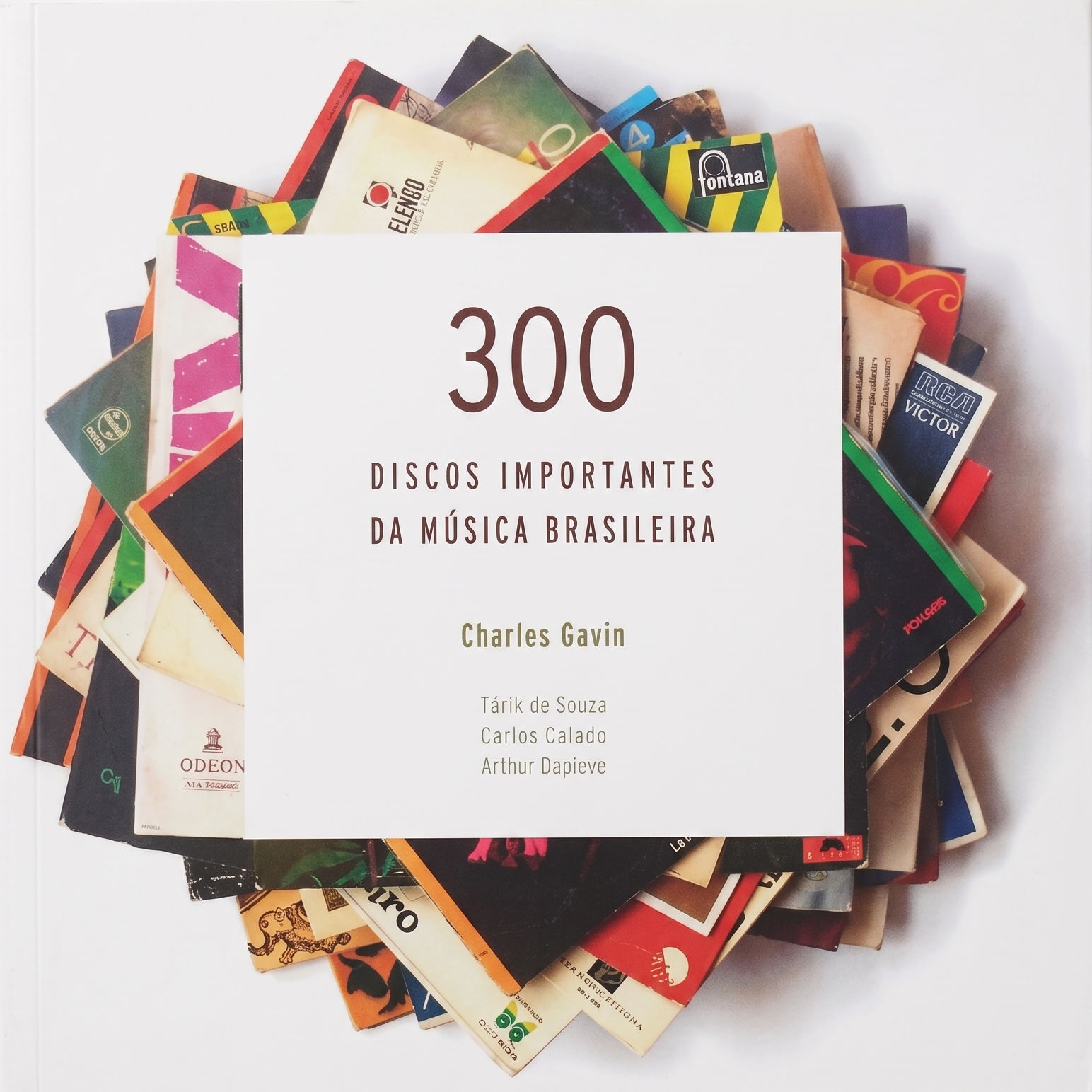
300 Discos Importantes da Música Brasileira
Charles Gavin, Tárik de Souza, Carlos Calado, Arthur Dapieve · 2008
Conceived by Titãs drummer and musical researcher Charles Gavin, the 434-page book brings together covers and reviews of albums released between 1929 and 2007. The texts were written by journalists Tárik de Souza, Arthur Dapieve and Carlos Calado.
Luperce Miranda
Marília Trindade Barboza · 2004
This book is a detailed biography and study of the life and work of the renowned Brazilian mandolinist and composer Luperce Miranda. Published by Funarte, it is part of the 'Grandes Mestres do Bandolim' collection, offering an in-depth analysis of his contribution to Brazilian music. It is an essential source for understanding the artist behind the album.
Analyses
Vozes do Selo MIS: "Luperce Miranda interpreta Luperce Miranda", na ...
radio.mis.rj.gov.br
"Luperce Miranda interpreta Luperce Miranda" is more than an album; it's a definitive document about a monumental artist who left a legacy of elegance, innovation, and profound musical knowledge.
Luperce Miranda - História de um Bandolim (1977) - Discoteca Pública
discotecapublica.com.br
Side A: 1 - História de um bandolim (Luperce Miranda) 2 - Bonita (Luperce Miranda) 3 - Norival aos sessenta (Luperce Miranda) 4 - Naquele tempo (Pixinguinha - Benedito Lacerda) 5 - Bambino (Ernesto Nazareth) 6 - Prelúdio em ré menor (Luperce Miranda) Side B: 1 - Picadinho à baiana (Luperce Miranda) 2 - Risonha ...
Lp Vinil (nm) Luperce Miranda Sapequinha Ed 1978 Mis
loja.polvodiscos.com.br
Luperce Miranda - Sapequinha Label: Museu Da Imagem E Do Som - COPL-12207 Format: Vinyl, LP, Album, Stereo Country: Brazil Released: 1978 Genre: Latin Style: 1 Giceli 2:40 2 Pixinguinha 3:00 3 Reboliço 2:33 4 Moto-Contínuo 2:43 5 No Meu Sertão 2:21 6 No Céu 2:15 7 Alma e Coração 5:03 8 Quando Me Lembro 4:39 9 Saudades 2:43
Cliquemusic : Disco : LUPERCE MIRANDA
cliquemusic.com.br
4 Norival dos 60 (Luperce Miranda) 5 Risonha (Luperce Miranda) 6 Prelúdio em ré maior (Luperce Miranda) 7 Baião romano (José Ceniglia, Manoel Baltazar) 8 Revendo o passado (Freire Jr.) 9 Le bruit des vagues (Romuald, P.Sevran, S.Lebrail) 10 Bambino (Ernesto Nazareth) 11 Flor do mal (Saudade eterna) (Santos Coelho) 12 Mimi (Uriel Lourival)
Disco Vinil LP - Luperce Miranda, Sapequinha de 1978 -
arcodavelhaleiloes.com.br
Vinyl LP - Luperce Miranda, Sapequinha from 1978 - Sleeve and Record in excellent condition.