Interpreta Bide e Marçal
Marçal
1978
Rankings
Why This Album Matters
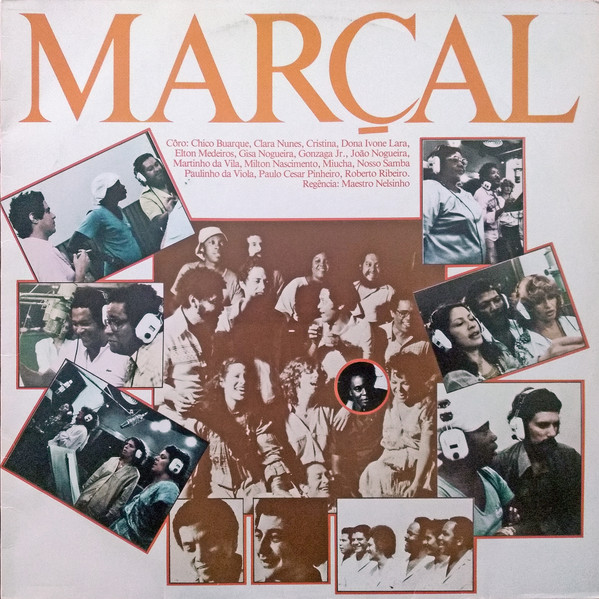
The album Interpreta Bide e Marçal, launched in 1978, is a landmark in Brazilian discography as it is a unique and profound homage from Mestre Marçal, one of samba's greatest bateria masters and percussionists, to the seminal work of his father, Armando Vieira Marçal, and Alcebíades Barcelos, or Bide. This work transcends mere interpretation, constituting a filial and artistic tribute to the duo who were a pillar in the consolidation of Rio's urban samba. Through his voice and unmistakable rhythmic flair, Mestre Marçal revisits an essential repertoire that shaped the identity of samba, introducing it to a new generation and reaffirming the timelessness of Bide and Marçal's compositions. The record shines not only for the curation of the songs, but also for the participation of a stellar choir, bringing together great names from MPB, which underlines the relevance and respect for the original work and the album's concept.
Context
The duo of composers Bide (Alcebíades Maia Barcelos) and Marçal (Armando Vieira Marçal), Mestre Marçal's father, was fundamental to the development of Rio's samba. Known in the Estácio neighbourhood, they co-founded the pioneering carnival association Deixa Falar in 1928, considered by many to be the country's first samba school. Bide and Marçal played a crucial role in the creation of what came to be known as 'samba batucado' or 'samba do Estácio', transforming the cadence of the musical genre, moving it away from maxixe influences and consolidating a style more suitable for samba school parades. Mestre Marçal, for his part, was already an established figure in the samba scene, a bateria master for schools such as Império Serrano and Portela, and with this album, he began his career as a solo performer.
Recording
Interpreta Bide e Marçal was recorded in December 1978, at Odeon studios in Rio de Janeiro, and released by EMI-Odeon in the same year. Executive production was handled by Fernando Faro, with Renato Corrêa as production director and Maestro Nelsinho responsible for arrangements and conducting. The record featured a remarkable constellation of instrumentalists, including Dino on seven-string guitar, Meira on guitar, Canhoto on cavaco, Wilson das Neves on drums, and Marçal himself on cuíca. The choir was a highlight in itself, bringing together iconic voices such as Chico Buarque, Clara Nunes, Dona Ivone Lara, Gonzaguinha, João Nogueira, Martinho da Vila, Milton Nascimento, Paulinho da Viola, and other great names in Brazilian music.
Songs
The album's repertoire is entirely composed of classic sambas authored by Bide and Armando Marçal, presenting a careful selection that encompasses the richness and diversity of their partnership. Among the interpreted tracks, highlights include gems such as 'Agora é Cinza', 'Meu Primeiro Amor', 'A Primeira Vez', 'Barão das Cabrochas', 'Que Bate-Fundo é Esse?', 'Velho Estácio', 'Sorrir' and 'Madalena'. The lyrics and melodies explore a range of feelings, moving between joy and melancholy, striking characteristics of the original duo's work. Marçal's performance on this record is a testament to the lyrical depth and melodic sophistication of Bide and Marçal's sambas, many of which became anthems of the genre. The album's approach, by blending elegant and mournful sambas with more lively ones, reveals the various facets of samba raiz.
Legacy
Interpreta Bide e Marçal is widely recognised as Mestre Marçal's debut album as a solo performer, a watershed moment in his career that projected him beyond his notable role as a percussionist and bateria master. The album consolidated his voice in the music scene and set a standard for future tributes to great composers. The work is an important reference for the study of Bide and Marçal's œuvre, offering a new perspective on sambas that were essential to the history of Brazilian music. The participation of such a prestigious cast in the choir highlighted the project's importance and the reverence for the memory and legacy of the honoured composers.
Tracks
Credits
Nelson Martins Dos Santos
Fernando Faro
Renato Corrêa
Beterlau
Emílio Baptista
Genaldo Medeiros
Luizão Maia
Canhoto
Nelson Martins Dos Santos
Abel Ferreira
Geraldo Bongô
Chico Buarque, Clara Nunes, Conjunto Nosso Samba, Cristina Buarque, Dona Ivone Lara, Elton Medeiros, Gisa Nogueira, Gonzaguinha, João Nogueira, Martinho Da Vila, Milton Nascimento, Miucha, Paulinho Da Viola, Paulo César Pinheiro, Roberto Ribeiro
Nilton Delfino Marçal
Wilson Das Neves
Bezerra Da Silva
Meira
Horondino José Da Silva
Jorginho Do Pandeiro
Genaro
Doutor
Gordinho
Elizeu, Luna
Zé Bodega
João Luiz Maciel, Nelson Martins Dos Santos
Maurílio Santos
Osmar Furtado
Nivaldo Duarte
Dacy Rodrigues, Mayrton Bahia, Roberto Castro
Alexandre Huzak
Elifas Andreato
Wilton Montenegro
Podcasts
Neste episódio especial do Discografia Brasileira, falamos sobre o disco Marçal interpreta Bide e Marçal.
Books
Analyses
Marçal - Interpreta Bide E Marçal (1978) | Toque Musical
toque-musicall.com
For Sunday, I have here this extraordinary album (which didn't cost 2 reais!) by the percussionist and master Marçal. In it, we have a unique encounter based on a tribute to the duo Bide and Marçal.

MESTRE MARÇAL - MARÇAL INTERPRETA BIDE E MARÇAL (1978 - Blogger
discosmusicaeinformacao.blogspot.com
What's this 'Bate-Fundo'?
LP Marçal - Marçal Interpreta Bide e Marçal (1978) | Vinil Samba
dromedariodiscos.com
LP Marçal - Marçal Interpreta Bide e Marçal, national edition released in 1978 by the EMI label, featuring interpretations of traditional samba classics by the duo Bide and Marçal.

Mestre Marçal - Marçal Interpreta Bide E Marçal (1978)
liradopovo.blogspot.com
Let's change the subject and end up with samba, which is the best way to converse; because those who make samba speak, and those who speak, listen up: no force can silence the voice of the multitude.

Mestre Marçal - Marçal Interpreta Bide e Marçal | 1978
discosqueouvi.blogspot.com
This is the first solo album by the great Master Marçal. The choir on this album is composed of great icons of our music and was nicknamed "Coro Milionário".