Drama - Anjo Exterminado
Maria Bethânia
1972
Rankings
Why This Album Matters
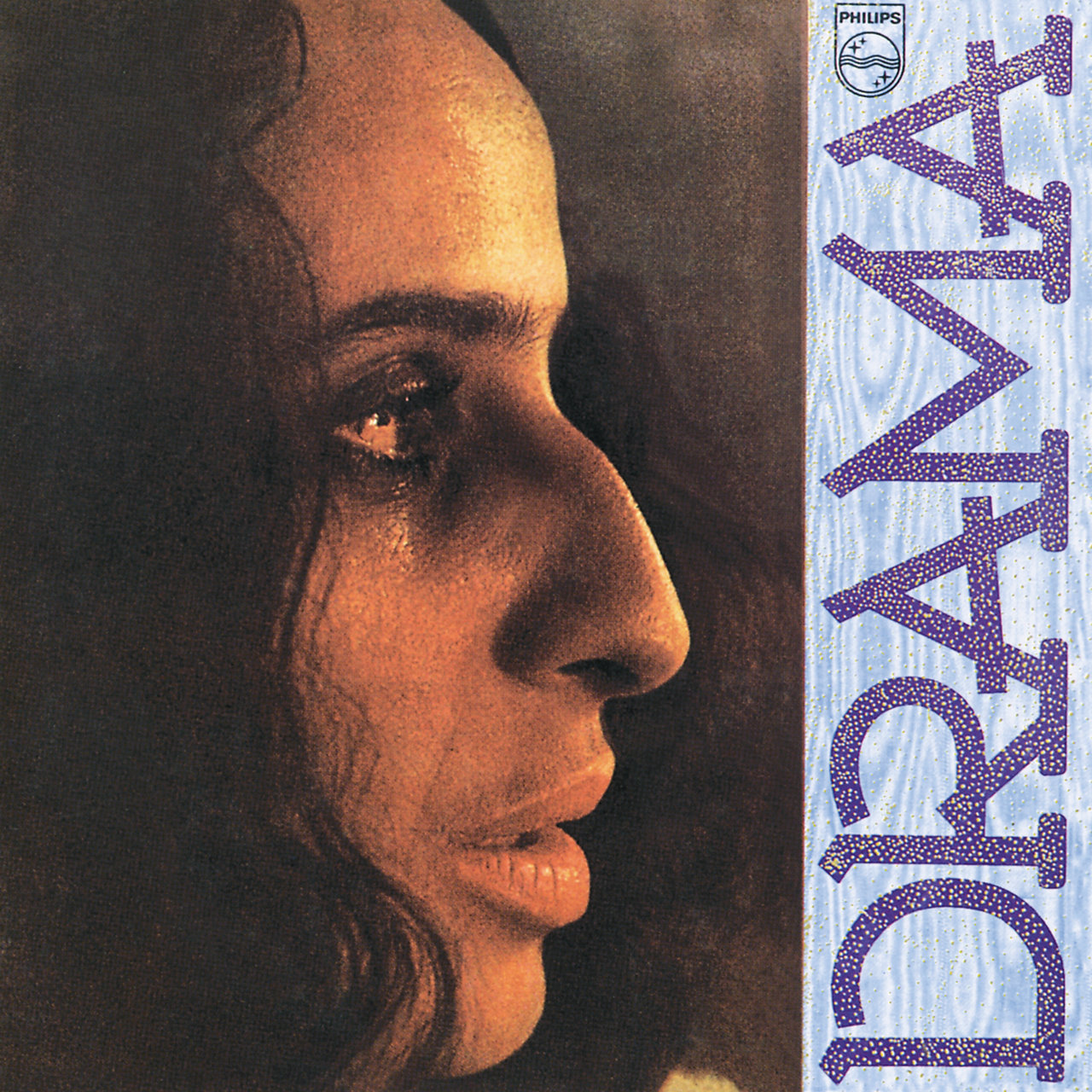
Released in 1972, Drama - Anjo Exterminado is the fifth studio album by the acclaimed Brazilian singer Maria Bethânia, and stands out as a fundamental milestone in her discography, definitively consolidating the theatrical vein of her art. Produced by her brother, Caetano Veloso, the album transcends a mere collection of songs, being conceived as a scenic-musical spectacle divided into acts, a structure that underscores the intrinsic dramatic quality of her vocal interpretation and the proposed narrative. Through an audacious and deeply emotive repertoire, Bethânia demonstrates remarkable interpretive maturity and versatility, even in her early twenties. The album elegantly traverses diverse genres, from Umbanda chants to Portuguese fado, from samba to brega and even flirtations with jazz, always elevated by the power and steadfastness of her voice. Drama - Anjo Exterminado is not just an album, but an encapsulated performance, an artistic statement that solidified Maria Bethânia as one of the greatest and most expressive interpreters of Brazilian Popular Music.
Context
The release of Drama - Anjo Exterminado in 1972 occurred during an effervescent and, at the same time, repressive period in Brazilian history. The military dictatorship imposed a climate of censorship, but musical creativity resisted. Maria Bethânia was already a consolidated artist, with a career that began in the 60s and gained national prominence with the show "Opinião" in 1965 and her first major hit, the song "Carcará". The album is the first studio work after the great success of the show "Rosa dos Ventos – O show encantado" (1971), where Bethânia had refined and established the scenic formula that would accompany her. Production was handled by Caetano Veloso, who had returned from exile in London shortly before, bringing new perspectives and an enriched cultural background. The album's dedication to Fauzi Arap, a theatre director and actor who stimulated the singer's dramatic flair since 1967, reinforces the intrinsically theatrical nature of the work.
Recording
The recording of Drama - Anjo Exterminado took place at the Eldorado studio, located in the city of São Paulo. The musical production was entirely orchestrated by Caetano Veloso, marking one of the artist's first significant works after his return from exile in London. The arrangements, crucial to the album's dramatic atmosphere, were handled by Perinho Albuquerque. The team of musicians who contributed to the album's unique sound included Perinho Albuquerque on guitar, Tutty Moreno on percussion, Antônio Perna Fróes on piano, and Tuzé de Abreu on flute, elements that enriched the musical tapestry and reinforced the work's theatrical premise.
Songs
The repertoire of Drama - Anjo Exterminado is a gem of MPB, with twelve tracks unfolding in two distinct acts, like a theatrical script. The album opens with "Ponto", a traditional Bahian folklore chant, which already sets a tone of resistance and self-affirmation, sending a message to the dictators of the time. Next, the delicacy of Caetano Veloso's "Esse Cara", which became a big popular hit, is merged with a segment of "Bodas de Prata", creating an emotional counterpoint. Highlights such as Paulo Vanzolini's "Volta Por Cima", receive a vigorous interpretation and an arrangement with a sophisticated bassline. The title track, "Anjo Exterminado", a brilliant composition by Jards Macalé with lyrics by Waly Salomão, is delivered by Bethânia with a vocal intensity that overflows with anguish and despair. The song makes a clear allusion to Luis Buñuel's film O Anjo Exterminador, exploring themes of emotional confinement and dependency. "Maldição", a fado from Amália Rodrigues' repertoire, is recreated with a dramatic intensity faithful to the original, but with an arrangement resembling a funeral samba, resonating with the song's sombre theme. The album also features "Iansã", a musical offering by Gilberto Gil and Caetano Veloso to the orixá, and "Trampolim", one of the rare songs composed by Bethânia herself in partnership with Caetano, which compares passion and life to the act of being airborne before a dive. The album is masterfully concluded by Caetano Veloso's song "Drama", which literally narrates the end of a desperate act of love, with the iconic verses: "E ao fim de cada ato / Limpo num pano de prato / As mãos sujas do sangue / Das canções".
Legacy
Drama - Anjo Exterminado is widely recognised as one of the most significant works in Maria Bethânia's career, a "complete translation of the theatricality of her singing". The album not only reaffirmed Bethânia's position as one of the greatest interpreters of Brazilian music, but also solidified her image as the "Queen Bee" of MPB. Although specific sales figures for this album are less discussed than other milestones in her career, Drama - Anjo Exterminado is considered a "fundamental" and "anthological" album that paved the way for Bethânia's resounding success on future albums, such as Álibi (1978), which would make her the first Brazilian singer to sell a million copies. The songs from the album, with their striking interpretations and innovative arrangements, remained in the singer's repertoire and in the memory of MPB, being constantly revisited and celebrated as classics that transcend generations. In 2022, the album celebrated 50 years since its release, being revered by critics and the public as a testament to Maria Bethânia's artistic genius.
Tracks
Credits
Perinho Albuquerque
Roberto Menescal
Moacyr Albuquerque
Tutty Moreno
Tuzé De Abreu
Perinho Albuquerque
Antonio Perna
Caetano Veloso
Edinizio Ribeiro
Lucinda Rato
Books
Álbum 2 - 1972 a 1978
Pedro Alexandre Sanches · 2022
This volume of Pedro Alexandre Sanches's 'Álbum' series is specifically dedicated to albums released between 1972 and 1978. As the album 'Drama - Anjo Exterminado' was released in 1972, it is highly probable that this book contains relevant analyses and contexts regarding Maria Bethânia's work and other contemporary works, placing the album within a critical panorama of Brazilian music from that period.
Os 500 Maiores Álbuns Brasileiros de Todos os Tempos
Ricardo Alexandre · 2022
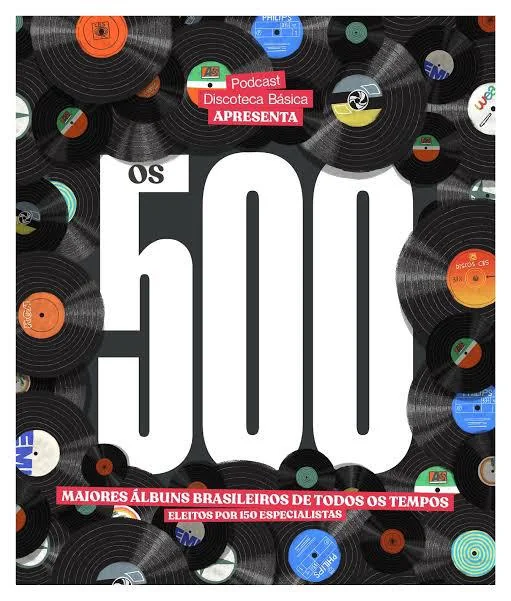
The largest Brazilian music election ever conducted: 162 specialists, spanning journalists, critics, musicians, producers and podcasters, each nominated 50 essential albums, supported by a masterlist of more than 2,000 works. Led by Ricardo Alexandre with tabulation by Sérgio Jomori, it was published in December 2022 as a 200-page hardcover book with graphic design by Fernando Pires.
300 Discos Importantes da Música Brasileira
Charles Gavin, Tárik de Souza, Carlos Calado, Arthur Dapieve · 2008
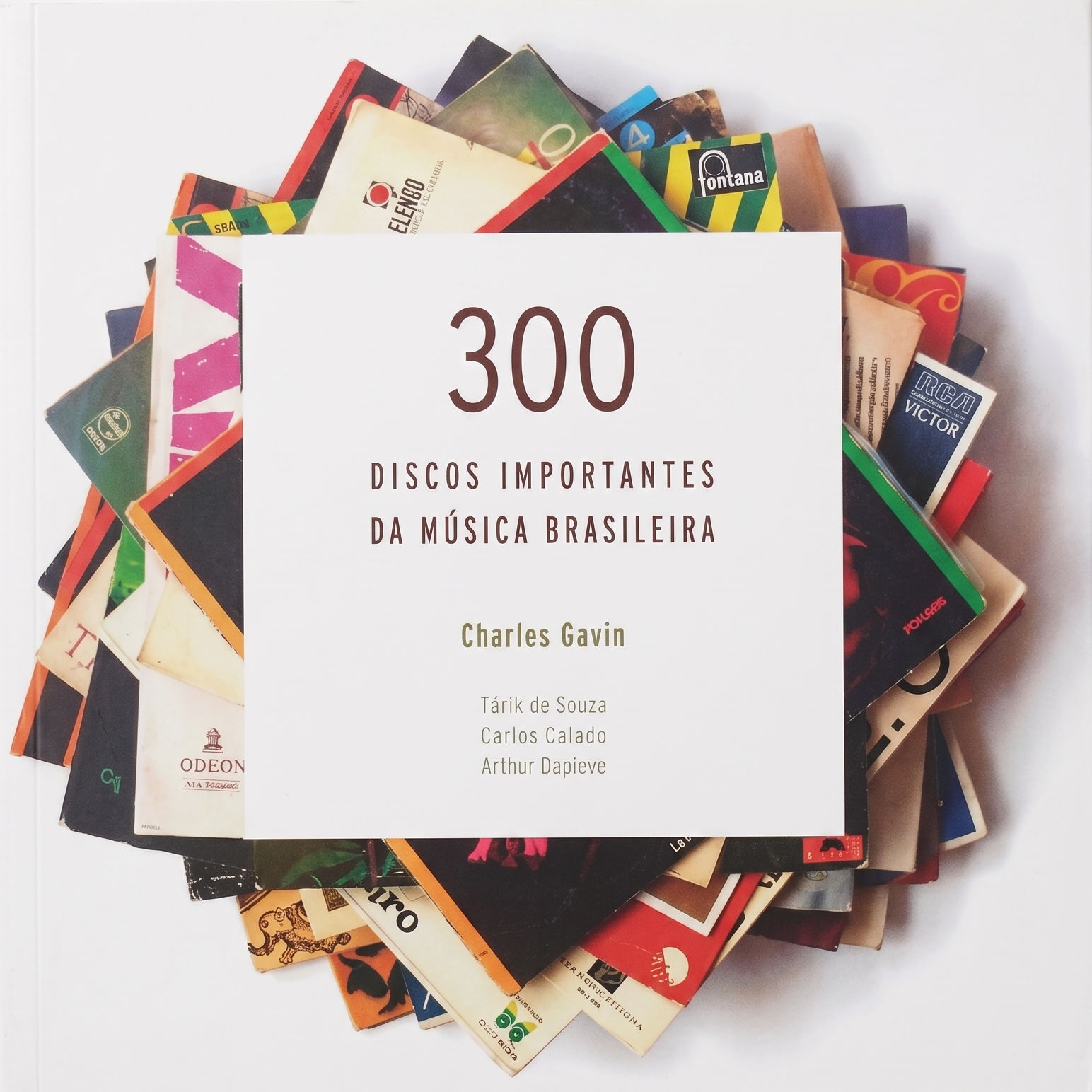
Conceived by Titãs drummer and musical researcher Charles Gavin, the 434-page book brings together covers and reviews of albums released between 1929 and 2007. The texts were written by journalists Tárik de Souza, Arthur Dapieve and Carlos Calado.
Analyses
Drama - Anjo Exterminado – Wikipedia
Wikipedia, the free encyclopaedia
Álbum 'Drama', de Maria Bethânia, chega aos 50 anos como ... - G1
g1.globo.com
Fifty years on, the album Drama - Anjo Exterminado remains one of the most complete translations of the theatricality of the singer's voice, a true Bahian from Santo Amaro da Purificação...

Maria Bethânia - "Drama - Anjo Exterminado" (1972)
tabernanovostempos.blogspot.com
On this particular album, "Drama - Anjo Exterminado" from 1972, Bethânia delivers some of her most notable interpretations on an extremely well-selected repertoire that includes Gilberto Gil, Luís Melodia, Herivelto Martins and, of course, her brother Caetano Veloso, ranging from umbanda songs to fado, visiting brega and occasionally jazz...
Álbum 'Drama', de Maria Bethânia, chega aos 50 anos como atestado da ...
conexaomarilia.com.br
Extremely faithful to Maria Bethânia's theatrical universe, the album Drama - Anjo Exterminado – an album that gave rise to the show immortalised the following year on the live album Drama 3º Ato - Luz a Noite (1973) – marks its 50th anniversary as a timeless snapshot of the truthfulness of this magnetic singer's voice, a voice that never lies.
- Antiguidades CASA DO VELHO
casadovelho.com.br
Released in 1972, Maria Bethânia's album "Drama - Anjo Exterminado" is one of the artist's most intense and theatrical works, reflecting her interpretive strength and a period of maturation in her career.