Virgem
Marina Lima
1987

Rankings
Why This Album Matters
Virgem, Marina Lima's seventh studio album, released in 1987, further cemented the singer as an icon of Brazilian pop rock. The record maintained the sophisticated sound and pop rock direction she had successfully explored in previous works, such as Fullgás, but brought a distinctly Carioca atmosphere and an undeniable pop appeal to radio stations. This work stands out as a direct reflection of a period of profound personal transformations in Marina's life, which translated into songs full of lyricism and identity. Beyond its musical impact, Virgem marked an important technological point in the artist's career, being the first of her albums to also be released in CD format, demonstrating its relevance in the musical scene of the time.
Context
In the mid-1980s, Marina Lima had already established herself as a national pop rock star. Albums such as Fullgás (1984) and Todas (1985) were major sales successes, earning Platinum Discs and propelling tours across Brazil. The year 1987, specifically, was an effervescent period in Brazilian music, with national rock on the rise, the strong presence of international music, and the emergence of new genres such as Bahian afro-pop. However, for Marina, the release of Virgem was preceded by a phase of significant personal changes. The singer had changed residence, travelled through Europe, switched managers, and ended a romantic relationship. This intense journey of renewal and self-discovery served as direct inspiration for the album's title and many of its compositions.
Recording
The production of Virgem was handled by renowned saxophonist and music producer Leo Gandelman, who gave the album an even more sophisticated sound. Marina Lima exercised the artistic direction of the project, with the conceptual support of her brother and constant collaborator, the poet Antônio Cícero. The track arrangements were developed by Marina, Gandelman, and the band, with the exception of "Pseudo-Blues", which featured the collaboration of Nico Rezende on the arrangements. The programming of MC-500 and Sampler was handled by Torcuato Mariano, while Marcio Gama was the recording engineer and actively participated in the digital mixing, alongside Gandelman and Marina. The album is also historically notable for being Marina Lima's first work to be released on CD, in addition to the traditional LP and cassette formats.
Songs
The album Virgem is a treasure trove of songs that became classics of MPB and pop rock. The title track, "Virgem", a partnership between Marina and Antônio Cícero, is a confessional ballad symbolising renewal and detachment, using references to the Carioca landscape, such as Vidigal, Hotel Marina, and Leblon, to express post-breakup independence. The song "Uma Noite e 1/2", composed by Renato Rocketh, was the first single and became one of the biggest successes of her career, a sensual and joyful pop rock track, featuring a remarkable vocal duet between Marina and Rocketh, and whose title alludes to the film *9 Semanas e 1/2 de Amor*. Another major highlight is "Preciso Dizer Que Te Amo", by Cazuza, Bebel Gilberto, and Dé Palmeira, which was recorded for the first time by Marina on this album and quickly became a classic. The record also features compositions by Marina without her brother's partnership, such as "Confessional", "Doce Espera", and "1° de Abril (Eu Negar?)", revealing a more authorial and expressive side of the artist, initially with some insecurity, but encouraged by producer Léo Gandelman.
Legacy
Virgem was an astounding success with both the public and critics, selling over 160,000 copies in 1987 alone and reaching the 250,000 copy mark, which earned it a Platinum Disc. The album's repercussion was amplified by the success of its songs on radio stations throughout Brazil, with "Uma Noite e 1/2", the title track "Virgem", and "Preciso Dizer Que Te Amo" among the most played in 1988. Critical recognition culminated in Marina Lima winning three categories at the 1988 Prêmio Sharp de Música Brasileira: 'Best Pop-Rock Female Singer', 'Best Pop-Rock Album' (for Virgem itself), and 'Best Pop Rock Song' (for "Preciso Dizer Que Te Amo"). Considered one of the high points of 1980s Brazilian pop music, Virgem consolidated Marina Lima's image as an innovative and relevant artist, capable of fusing urban poetry, synthesizers, and an unmistakable voice.
Tracks
Credits
Leo Gandelman
Marina Lima
Cecília Spyer
Renato Rocketh
Rodrigo Castro Neves
Carlos Bala, Sergio Della Monica
Nico Assumpção
Paulinho Guitarra
Torcuato Mariano
William Magalhães
Nico Rezende
Sidinho Moreira
Marcio Gama
Films


Books
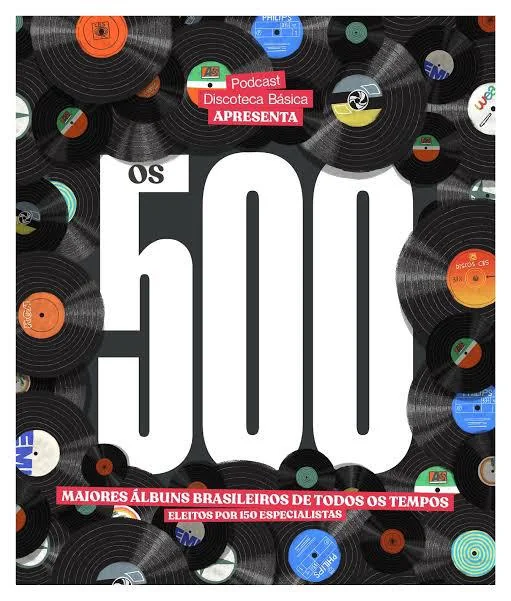
Os 500 Maiores Álbuns Brasileiros de Todos os Tempos
Ricardo Alexandre · 2022
The largest Brazilian music election ever conducted: 162 specialists, spanning journalists, critics, musicians, producers and podcasters, each nominated 50 essential albums, supported by a masterlist of more than 2,000 works. Led by Ricardo Alexandre with tabulation by Sérgio Jomori, it was published in December 2022 as a 200-page hardcover book with graphic design by Fernando Pires.
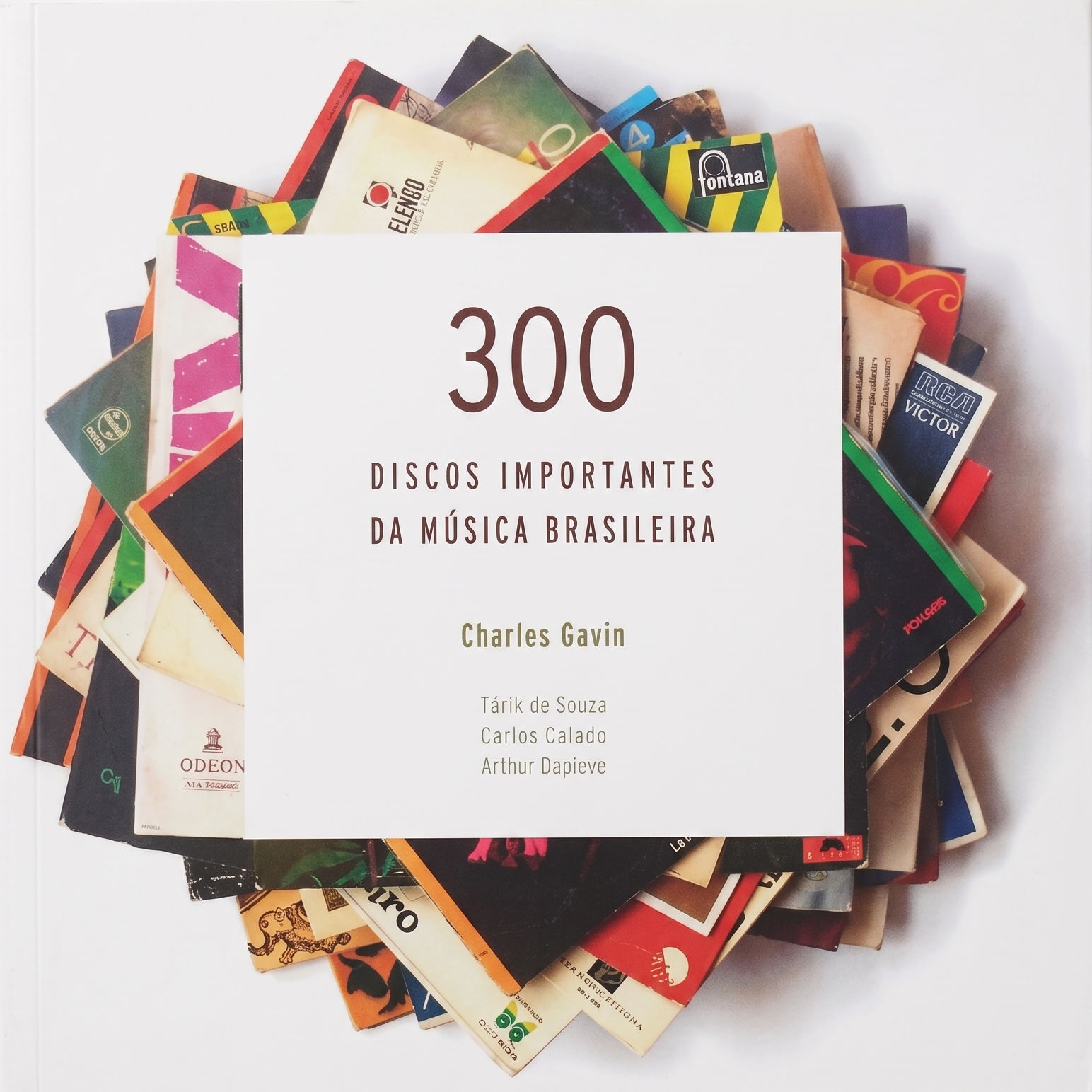
300 Discos Importantes da Música Brasileira
Charles Gavin, Tárik de Souza, Carlos Calado, Arthur Dapieve · 2008
Conceived by Titãs drummer and musical researcher Charles Gavin, the 434-page book brings together covers and reviews of albums released between 1929 and 2007. The texts were written by journalists Tárik de Souza, Arthur Dapieve and Carlos Calado.
Analyses
Virgem – Wikipedia
Wikipedia, the free encyclopaedia

"Virgem" (Philips, 1987), Marina Lima - Blogger
discosessenciais.blogspot.com
Virgem maintains the pop rock direction she had followed since Fullgás, featuring songs with very well-constructed arrangements and a sure-fire pop appeal for radio play.

Grandes Discos Brasileiros | 'Virgem' - Marina Lima (1987)
colunablah.blogspot.com
My favourite song, and Marina Lima's own favourite, is the title track "Virgem", which was composed by her and Antônio Cícero. I really like the melody of this song, which features a unique romanticism within its context. On the track, Marina sings about adventures in Rio de Janeiro's Zona Sul, mentioning Leblon and Vidigal.
Marina Lima - Virgem (1987) - musicasdonordeste.net
musicasdonordeste.net
Virgem is the eighth album by singer-songwriter Marina, released in 1987. According to Jornal do Brasil, the album sold over 160,000 copies in 1987.