Mais
Marisa Monte
1991

Rankings
Why This Album Matters
Released in 1991, Mais is the second album in Marisa Monte's career and her first studio work, marking a significant turning point in her artistic journey. The album's central aim was to break away from the image of a 'talented crooner' and establish a cohesive and original sonic identity, a process the artist herself described as 'finding her crowd'.
Context
Marisa Monte, discovered by Nelson Motta in 1988, had turned down numerous contract offers before signing with EMI. Her debut album, a live project from 1989, was an overwhelming commercial success, selling over a million copies in just a few months, boosted by the hit "Bem que se Quis". By then, Marisa was already seen as a seminal figure, capable of harmonising diverse strands of Brazilian music, such as MPB, rock, samba, and Northeastern culture, into a new pop direction.
Recording
The recording sessions for Mais began in September 1990 and extended until November of the same year, taking place in various studios across Brazil and New York. The success of her previous work ensured robust funding from the EMI record label for this new project. Marisa Monte chose Arto Lindsay as producer, having been impressed by his band Ambitious Lovers, and Lindsay, in turn, brought internationally renowned musicians such as Ryuichi Sakamoto, Bernie Worrell, John Zorn, and Melvin Gibbs to the project. Prior to the recordings, in July 1990, Monte had already presented unreleased tracks from the album, such as "Volte para o Seu Lar" and "Ensaboa", at the Montreux Jazz Festival.
Songs
For this album, Marisa Monte actively sought new compositions, moving away from interpretations based on her personal taste to create something more connected to her generation. Although she did not consider herself a natural-born composer at the time, she valued collaborations with other creators. The result was an intense collaboration, with seven of the eight original songs developed in partnership with members of Titãs, such as Arnaldo Antunes, Nando Reis, and Branco Mello, with "Eu Sei (Na Mira)" being the first track written exclusively by Marisa Monte.
Legacy
At the time of its release, the album Mais received critical acclaim, with the newspaper O Estado de S. Paulo stating that Marisa Monte had become 'less dramatic, with an even more tuned and crystal-clear voice', solidifying her place 'in the pantheon of titans'. However, O Globo offered mixed reviews, negatively assessing the repertoire and interpretations. In a retrospective analysis from 2020, journalist Mauro Ferreira highlighted that the album 'reversed the expectations of those who yearned for another record featuring polished gems of Brazilian music'. The album generated successful singles such as "Beija Eu", "Rosa", "Eu Sei (Na Mira)", "Ainda Lembro", and "Diariamente", and some of its tracks were included in soundtracks for Rede Globo soap operas, such as "Eu Sei (Na Mira)" in O Dono do Mundo, "Ainda Lembro" in Deus Nos Acuda, and "Rosa" in various productions like Fera Ferida and Além da Ilusão.
Tracks
Credits
Jorge Davidson
Leonardo Netto
Lula Buarque
Arto Lindsay
John Zorn
Melvin Gibbs, Ricardo Feijão
Dougie Bowne, Gigante Brasil
Dave Shiffman, Justin Luchter, Mauro Bianchi
Marc Ribot, Perinho Santana, Robertinho De Recife, Romero Lubambo
Bernie Worrell, Ryuichi Sakamoto
Armando Marçal, Gigante Brasil, Naná Vasconcelos, Prince Vasconcelos De Bois
Marty Ehrlich
Patrick Dillett, Roger Moutenot
Podcasts
Discoteca Básica Podcast · Parasol Storytelling
Sai a “cantora eclética”, surge a compositora e intérprete Marisa Monte, no álbum que sinalizou todo o melhor do pop brasileiro da década de 1990. Convidado do episódio: Silva. Assinantes do CLUBE DISCOTECA BÁSICA têm acesso a conteúdo extra. Saiba como assinar: https://podcastdiscotecabasica.com/assine/ Às vezes, não basta ter uma grande voz e fazer um grande show. É preciso compor - e pra is

Adega Musical · Andre Valdez
EU AINDA LEMBRO O QUE PASSOU: CADA VEZ MELHOR E MAIS!O programa de hoje celebra a vida e a obra desta carioca sangue bom e solidária: Marisa Monte. E, para apreciarmos esta carta de vinho, a escolha é uma safra que completa 35 anos: o segundo trabalho dela, sendo este o primeiro em estúdio, o disco Mais que deu um norte a música brasileira no inicio dos anos 90 para além da requebrante década nove

Nesse episódio Luciana Bessa, Shirley Pinheiro e Bruna Nergino do projeto Nordestinados a Ler, homenageiam a cantora Marisa Monte. Nascida em 1 de julho de 1967, foi aos 18 anos que ela começou oficialmente a sua carreira musical, quando gravou a música “Sábado à Noite” para o filme “TROPCLIP”. Marisa Monte já vendeu mais de 10 milhões de álbuns e ganhou inúmeros prêmios nacionais e internacionais
Films

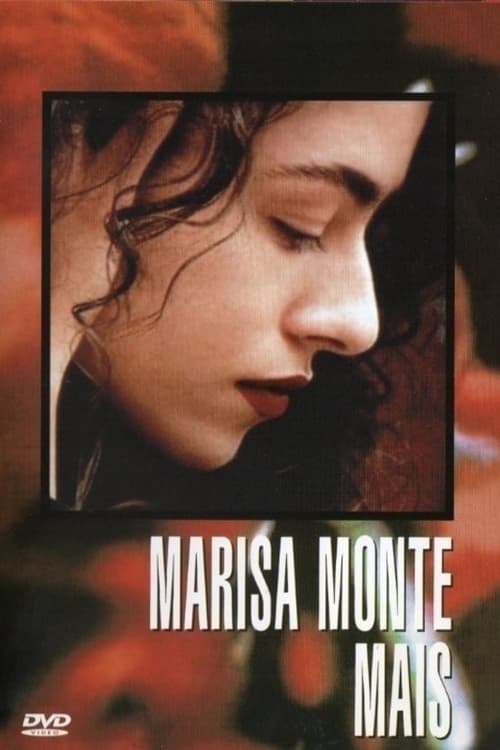
Books
Marisa Monte: notas além da música
Emerson Rossetti · 2025
Editora Contracorrente is honoured to announce the release of the book 'Marisa Monte: notas além da música', by Professor Emerson Rossetti. With a foreword by Philosopher Marcia Tiburi, the book is a unique record of the quality of the singer's entire body of work, combining history, aesthetic, and linguistic analysis. As an in-depth analysis of the artist's work, it is highly likely to dedicate significant attention to the album 'Mais', one of the milestones in her discography.
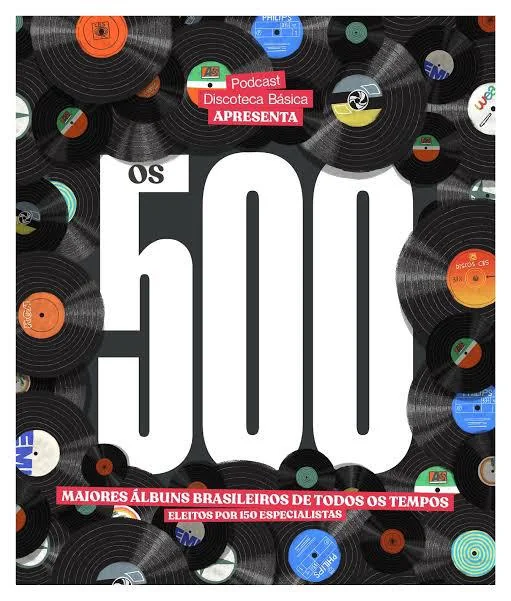
Os 500 Maiores Álbuns Brasileiros de Todos os Tempos
Ricardo Alexandre · 2022
The largest Brazilian music election ever conducted: 162 specialists, spanning journalists, critics, musicians, producers and podcasters, each nominated 50 essential albums, supported by a masterlist of more than 2,000 works. Led by Ricardo Alexandre with tabulation by Sérgio Jomori, it was published in December 2022 as a 200-page hardcover book with graphic design by Fernando Pires.
Analyses
Mais – Wikipedia
Wikipedia, the free encyclopaedia

MUSICA&SOM: Marisa Monte - "Mais" (1991)
tabernanovostempos.blogspot.com
Marisa Monte sings, enchants, plays, moves, impresses. With production by American Arto Lindsay, the album is eclectic without being pretentious and has a perfect balance between the tracks, making it enjoyable and keeping it fresh even for those who have listened to it many times.
Clássicos VFSM #091 - Marisa Monte: "Mais" - VFSM
vamosfalarsobremusica.com.br
After the success surrounding the album "MM" (1989) and the "Veludo Azul" tour, the public wanted more from Marisa Monte. Responding to popular demand, the singer released her second album, and first studio album, in March 1991: "Mais".
Discos para descobrir em casa - 'Mais', Marisa Monte, 1991 - G1
g1.globo.com
Everything went so well that, when Marisa Monte launched her second album in March 1991, Mais, the artist had already become a standard and reference herself for an entire generation of singers...
Discos de 1991 #2: "Mais", Marisa Monte - POP FANTASMA
popfantasma.com.br
When Mais, Marisa Monte's second album, appeared, she had already experienced two different types of fame. In 1988, even without having released any album, almost all cultural sections wanted to know who that girl was who mixed several musical styles in a single show.