Verde, Anil, Amarelo, Cor-de-Rosa e Carvão
Marisa Monte
1994

Rankings
Why This Album Matters
Verde, Anil, Amarelo, Cor-de-Rosa e Carvão is the second studio album by the acclaimed Brazilian artist Marisa Monte, released in 1994, which stands out as a landmark in her career. While maintaining the rock, MPB, and pop sounds already explored in previous works, the album represents a significant immersion in samba, a genre the singer herself describes as a return to her musical roots. This fusion of styles, with a greater presence of samba, gives the album a rich and cohesive sonic identity, uniting disparate musical elements in an organic way. The project is notable for its more 'Brazilian' sound proposal, focusing on acoustic instruments such as acoustic guitar, percussion, and voice, and a deliberate absence of electronic instruments, synthesisers, or electric guitars, differentiating it from its predecessor. Special appearances by major names such as Gilberto Gil, Laurie Anderson, and the Velha Guarda da Portela, in addition to the group Época de Ouro, further enrich the album's musical fabric, consolidating it as a work with a profound connection to Brazilian tradition, yet always with an innovative outlook.

The consolidation of partnerships, multiple textures and style characterise Cor de Rosa e Carvão, a sonic poetry that brings music from the present and the past, respected and reinvented.
Ademir Correa · Rolling Stone Brasil
Context
Following the critical and commercial success of her first album of original songs, Mais (1991), which sold over 700,000 copies and was praised for its maturity and fusion of influences, Marisa Monte dedicated herself to tours and musical collaborations. These encounters were crucial for the conception of her subsequent album. A turning point was the beginning of a professional partnership and friendship with Carlinhos Brown in January 1994, which resulted in the composition of three new tracks, including "Na Estrada". Marisa Monte had previously worked with Arnaldo Antunes and Nando Reis, who also contributed significantly to Verde, Anil, Amarelo, Cor-de-Rosa e Carvão. The decision to incorporate samba more prominently reflected a personal experience, with the singer mentioning her connection to samba schools and the influence of artists such as Paulinho da Viola and Clara Nunes in her development.
Recording
The recordings for Verde, Anil, Amarelo, Cor-de-Rosa e Carvão took place between March and May 1994, in two important studios: Estúdio Nas Nuvens, in Rio de Janeiro, and Skyline Studios, in New York. Nine songs were recorded in Brazil and four in the United States. Production was again co-signed with Arto Lindsay, and a notable fact of the process was the artist's desire to record each song in a single take. This choice aimed to give the project a more 'human' character and make it less prone to digital corrections, reinforcing the spontaneity and authenticity of the performances.
Songs
Musically, Verde, Anil, Amarelo, Cor-de-Rosa e Carvão is characterised by a blend of Brazilian popular music, pop, and, primarily, samba. The artist sought to imprint more Brazilian elements, predominantly using acoustic instruments such as acoustic guitar, percussion, and voice, without the use of keyboards, synthesisers, or electric guitars, distinguishing it from her previous work. The album begins with "Maria de Verdade", a pop song with acoustic guitar chords and soft vocals, narrating the story of a powerful woman. Following this, "Na Estrada" derives from rock, while "Ao Meu Redor" already features the predominance of samba with Marcos Suzano's syncopated pandeiro. "Segue o Seco" is a highlight with strong elements of Northeastern Brazilian music, accentuated by Carlinhos Brown's percussion, and its lyrics express the drama of drought in Brazil. The album also features notable re-recordings, such as "Pale Blue Eyes" by The Velvet Underground, and "Dança da Solidão" by Paulinho da Viola, the latter with vocal and acoustic guitar contributions from Gilberto Gil. "De Mais Ninguém", a serenade in partnership with Época de Ouro, narrates the pain of absence. The final track, "Esta Melodia", features Paulinho da Viola's plaintive acoustic guitar and the contribution of the Portela 'aunts' (Doca, Surica, and Eunice) in a choir, culminating in a typical Sapucaí samba, evoking the longing for absent love.

Daughter of the upper middle class, with a foot in samba (her father, Carlos Monte, was a director of the Portela samba school), Marisa (de Azevedo) Monte, a Carioca born in 1967, had everything to follow a, literally, classic script.
Tárik de Souza · 300 Discos Importantes
Legacy
Verde, Anil, Amarelo, Cor-de-Rosa e Carvão was largely acclaimed by specialised critics, who praised its production, Marisa Monte's vocals, and the cohesion in uniting diverse musical elements. Álvaro Neder, from Allmusic, classified it as "one of the best pop albums of the 1990s", highlighting the performer's intention to seek a new language that respected the rich Brazilian musical tradition. Carlos Calado, from Folha de S.Paulo, considered the album "more mature" and a step "forward" in the singer's career, praising the collaborations with Antunes and Brown and the way Monte placed her voice in service of the music. Commercially, the album was a great success, reaching sixth place among the best-selling albums on the NOPEM chart. It received three platinum certifications from Pro-Música Brasil (PMB) and sold over a million copies in the country. It is frequently cited as one of Marisa Monte's best works and one of the best of the 1990s, having been included in Rolling Stone Brasil magazine's list of the 500 best Brazilian albums of all time. The music video for the single "Segue o Seco" was the most expensive by a Brazilian artist until then and won five awards at the 1995 MTV Video Music Brasil Awards, making Monte the artist with the highest number of wins at that edition.
Tracks
Credits
João Augusto
Marisa Monte
Leonardo Netto
Arto Lindsay
Sérgio Benevenuto
MYTEK Tecnologies
Scott Hull
Denilson Campos
Patrick Dillett
Alexandre Saieg
Matt Curry, Rich Lamb
Guilherme Calicchio
Jeff Young
Claudia Puget
Glória Affalo, Sula Danowski
Egeu Laus
Demibold Edição E Projetos Gráficos, Marcos Martins
Fábio Ghivelder, Guilherme Bastos, Marcelo Jezuino, Marcos Bonisson, Mustapha Barat
Podcasts
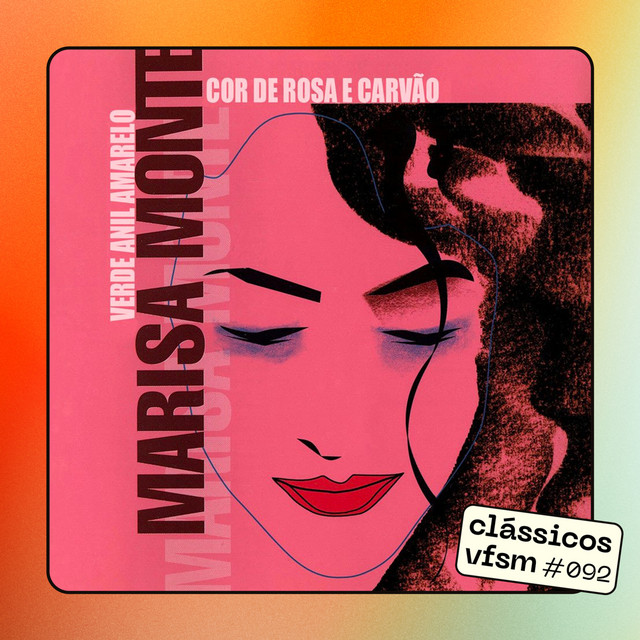
"Verde, Anil, Amarelo, Cor-de-Rosa e Carvão" (1994) é o terceiro álbum de Marisa Monte e uma verdadeira celebração à música brasileira. Produzido pela própria artista em parceria com Arto Lindsay, o trabalho apresenta algumas das melhores composições da artista, traz releituras para as canções de Jorge Ben Jor, Lou Reed e Paulinho da Viola, além de consolidar a colaboração com Arnaldo Antunes e Ca
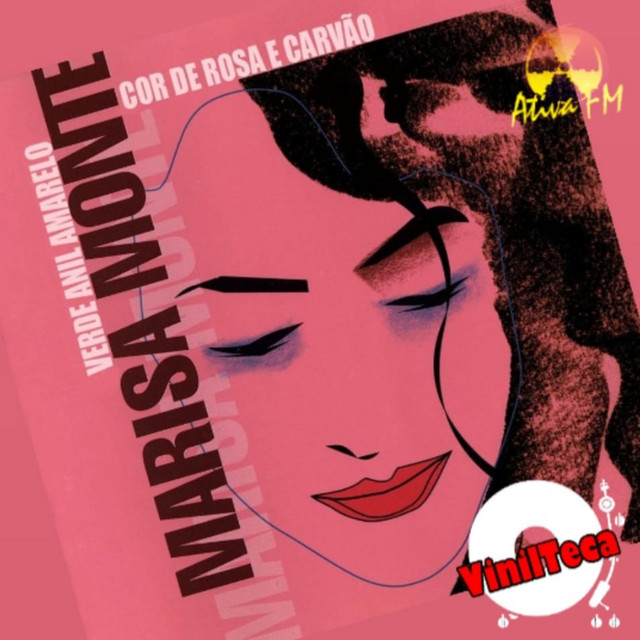
Vinilteca · José Ono Junior e Guilherme Colpani
Em 1994, o álbum "Verde, anil, amarelo, cor-de-rosa e carvão" significou a consolidação de tudo que Marisa Monte vinha buscando e colhendo de sua carreira desde seu início no fim dos anos 80. O disco alcançou a marca de 1 milhão de cópias vendidas, se tornou um dos melhores discos da história da nossa música e trazia uma Marisa brasileiríssima, como ainda não tínhamos visto. A Vinilteca é um proj
Videos
MARISA MONTE - VERDE, ANIL, AMARELO, COR DE ROSA E CARVÃO (1994) | ALBUM REVIEW
Vinilteca
Marisa Monte e o álbum "Verde, Anil, Amarelo, Cor de Rosa e Carvão" l O Som Do Vinil
Canal Brasil
Books
Marisa Monte: notas além da música
Emerson Rossetti · 2025
Editora Contracorrente announces the release of 'Marisa Monte: notes beyond music', by Professor Emerson Rossetti. With a foreword by Marcia Tiburi, the book offers a unique record of the quality of the singer's entire body of work, combining history, aesthetic, and linguistic analysis of her work, making it highly probable that it will dedicate significant attention to important albums such as 'Verde, Anil, Amarelo, Cor-de-Rosa e Carvão'.
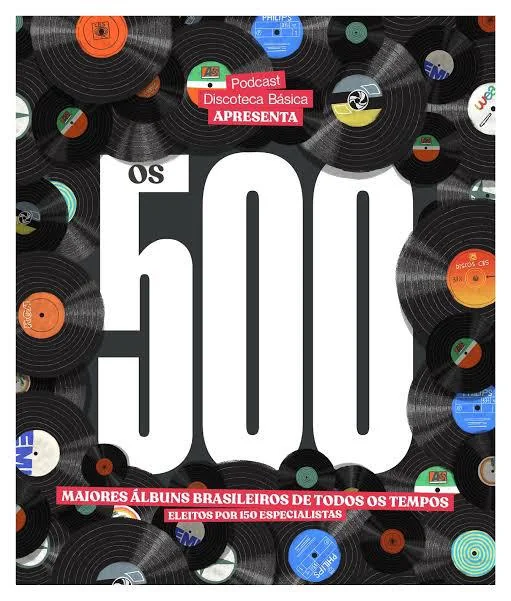
Os 500 Maiores Álbuns Brasileiros de Todos os Tempos
Ricardo Alexandre · 2022
The largest Brazilian music election ever conducted: 162 specialists, spanning journalists, critics, musicians, producers and podcasters, each nominated 50 essential albums, supported by a masterlist of more than 2,000 works. Led by Ricardo Alexandre with tabulation by Sérgio Jomori, it was published in December 2022 as a 200-page hardcover book with graphic design by Fernando Pires.
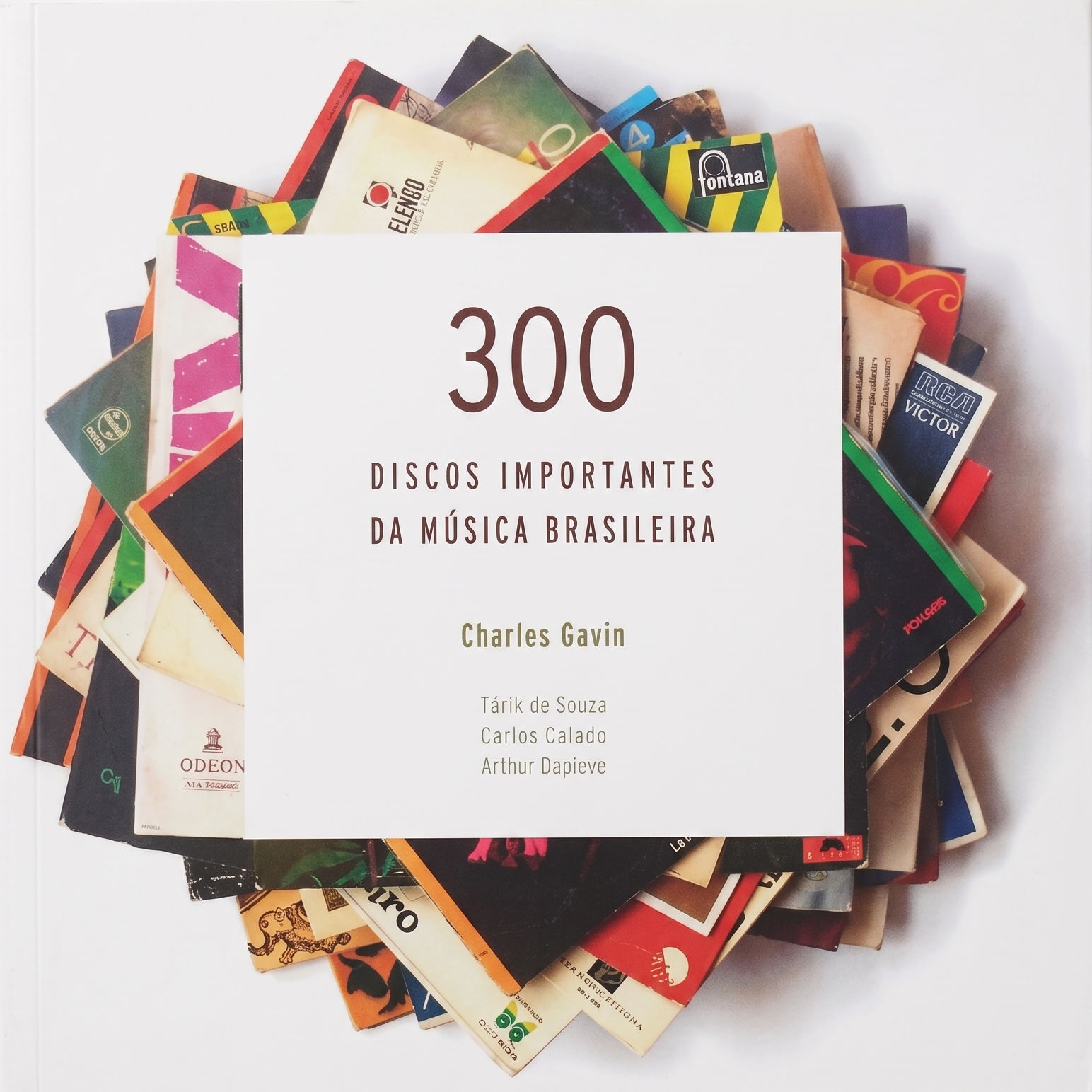
300 Discos Importantes da Música Brasileira
Charles Gavin, Tárik de Souza, Carlos Calado, Arthur Dapieve · 2008
Conceived by Titãs drummer and musical researcher Charles Gavin, the 434-page book brings together covers and reviews of albums released between 1929 and 2007. The texts were written by journalists Tárik de Souza, Arthur Dapieve and Carlos Calado.
Analyses
Verde, Anil, Amarelo, Cor-de-Rosa e Carvão – Wikipedia
Wikipedia, the free encyclopaedia
Verde, Anil, Amarelo, Cor-de-Rosa e Carvão – The 100 Greatest Albums of Brazilian Music
Ademir Correa · Rolling Stone Brasil
The consolidation of partnerships, multiple textures and style characterise Cor de Rosa e Carvão, a sonic poetry that brings music from the present and the past, respected and reinvented.
Conheça a história de "Verde Anil Amarelo Cor de Rosa e Carvão", a obra ...
radios.ebc.com.br
This Sunday's (18) episode of Festa do Disco delves into "Verde Anil Amarelo Cor-de-Rosa e Carvão", a 1994 album widely considered by music critics to be the masterpiece of singer-songwriter Marisa Monte's discography.
"Verde Anil Amarelo Cor de Rosa e Carvão" de Marisa Monte
qobuz.com
Received with acclaim from critics and the public, Verde Anil Amarelo Cor de Rosa e Carvão was fundamental in consolidating Marisa Monte as one of the greatest voices in Brazilian music.
"Verde Anil Amarelo Cor de Rosa e Carvão" de Marisa Monte ... - Qobuz
qobuz.com
Received with acclaim from critics and the public, Verde Anil Amarelo Cor de Rosa e Carvão helped to consolidate Marisa Monte as one of the greatest voices in Brazilian music.