Canta Canta, Minha Gente
Martinho da Vila
1974
Rankings
Why This Album Matters
Released in 1974, Canta Canta, Minha Gente is an undeniable milestone in Martinho da Vila's discography and in the history of Brazilian samba. The album represents the artistic maturity of one of Brazil's greatest sambistas, solidifying his voice as a perceptive chronicler of the country's social and cultural reality. Through accessible yet sophisticated samba, Martinho navigates between the celebration of life, the daily life of the favela, and veiled social critique, elements that would become his signature. This work is not merely a collection of songs, but a deep dive into the soul of samba, blending traditional rhythms with innovative arrangements that expanded the genre's boundaries. Martinho da Vila, with his roguish gentleness and his ability to transform observation into poetry, created an album that resonates with optimism and hope, even in challenging times. It is a collective invitation to singing as a form of resistance and celebration of national identity.
Context
In 1974, the year Canta Canta, Minha Gente was released, Brazil was living under a military dictatorship, a period characterised by strong political repression, censorship, and the so-called 'years of lead'. Despite the 'economic miracle' having reached its peak in the 1970s, there was growing dissatisfaction and a climate of curtailed individual freedoms. In this scenario, popular music, especially samba, often served as a subtle vehicle for social critique and the expression of aspirations for better days. Martinho da Vila had already consolidated a successful career before this album, having debuted in 1969 and released five other records via RCA Victor. His name was already synonymous with excellence in samba, and his connection with Unidos de Vila Isabel, the samba school that inspired him to adopt his stage name, had been profound since 1965. With Canta Canta, Minha Gente, he sought not only commercial success, but also to make a samba record with an investment and production quality that surpassed the traditional format of the time.
Recording
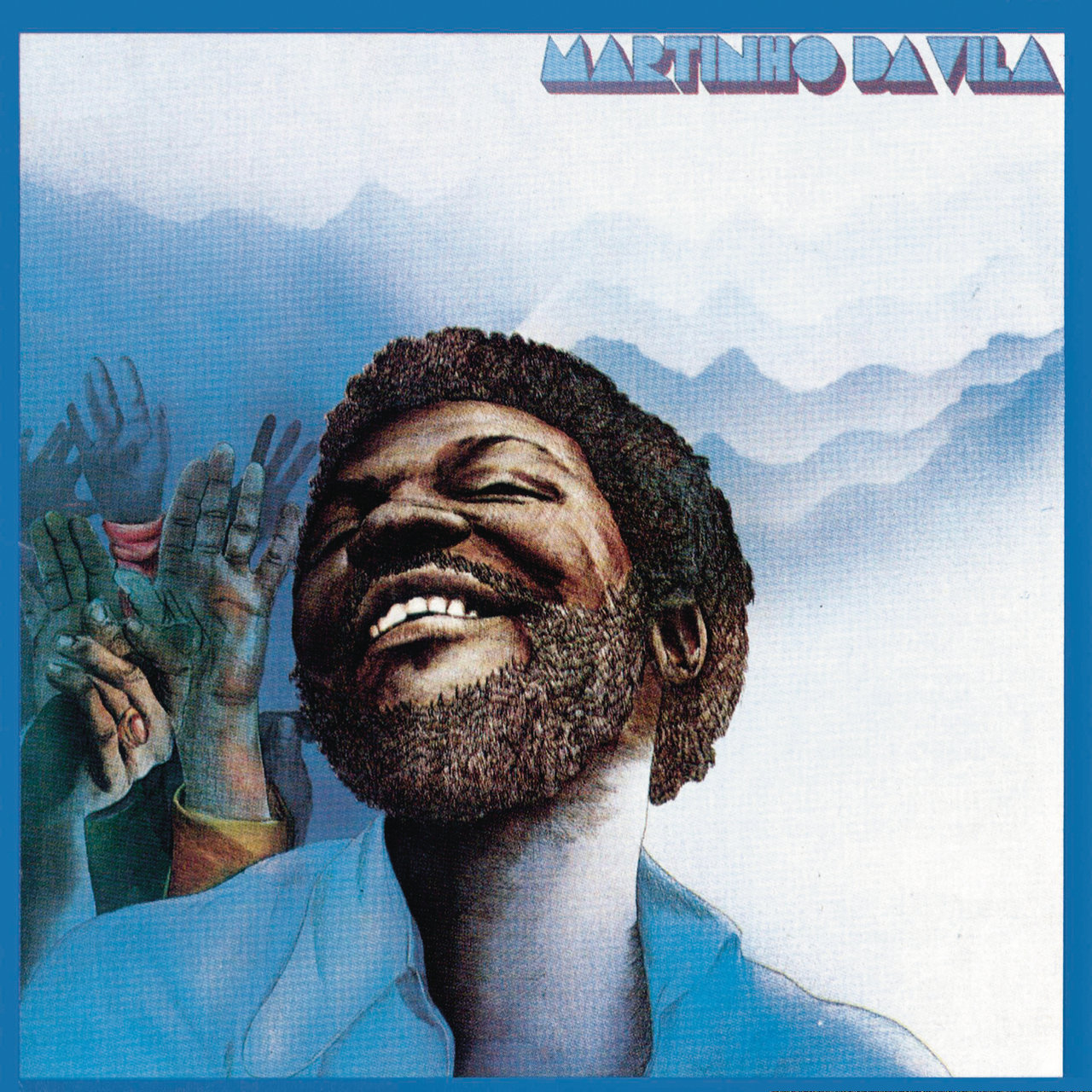
The recording of Canta Canta, Minha Gente featured a true constellation of Brazilian music talents, which contributed to the richness and complexity of the arrangements. Musical direction was handled by Henrique Gastaldello, while artistic coordination and recording supervision were the responsibility of Rildo Hora, who also contributed with guitar and harmonica. The production stood out due to Martinho's ambition to create an 'album, a double album like that and with an insert and everything', which initially generated resistance from the RCA Victor label, which considered such an investment for 'an artist who doesn't sell'. The team of musicians included names such as Maestro Severino Filho, responsible for arrangements and conducting, Chiquinho on accordion and Petter's strings, and the presence of varied instruments such as saxophones (Jorginho and Geraldo), flutes (Jorginho and Celso), trombone (Flamarion and Manoel Araújo), harp (Maria Célia), French horn (Toninho), oboe (Moacir) and piccolo (Copinha). The rhythmic section was robust, with Chacal, Everaldo, Gilberto, Jorge Garcia, Jorginho do Império, Luiz Carlos, Neném, Serginho and Zeca da Cuica, in addition to Geraldo Bongô on congas and Papão on drums. Paulo Frazão (Garrincha) and Walter Lima were the mixing and recording engineers, ensuring the sound quality of the work. Elifas Andreato, a renowned graphic artist, signed the cover and poster art, complementing the album's aesthetic proposition.
Songs
The album features twelve tracks that are true samba poems, with most of the compositions signed by Martinho da Vila. The title track, "Canta Canta, Minha Gente", is an anthem of optimism and resistance, encouraging people to overcome sadness through song, celebrating the diversity of Brazilian rhythms and containing a subtle critique of the dictatorship with the verse "Só não dá pra cantar mesmo / É vendo o sol nascer quadrado", which refers to imprisonment. Another great success is "Disritmia", a song that became a classic of romantic samba. In it, Martinho addresses the dilemma of a bohemian who returns "de porre lá da boemia" and seeks solace in love, mixing the irregularity of heart rhythm with the imbalance of nightlife. The song "Tribo dos Carajás" was initially conceived as a samba-enredo for Unidos de Vila Isabel, but suffered censorship due to its verses that spoke of the European invasion and the indigenous massacre, being considered a 'jibe' at the military. Other tracks such as "Malandrinha", by Freire Júnior, and "Renascer das Cinzas" complement the thematic richness, demonstrating Martinho's versatility as a composer and performer.

Despite being sung since the pioneering chula raiada "Patrão, prenda seu gado" (João da Baiana/ Donga/ Pixinguinha, 1931), and by Noel Rosa ("De babado", 1936) and Jamelão ("O samba é bom assim", 1959, "Quem samba fica", 1965), partido-alto, a samba with a repeated chorus and an improvised second part, was only truly massified following the widespread success of former sergeant Martinho José Ferreira, Martinho da Vila.
Tárik de Souza · 300 Discos Importantes
Legacy
Canta Canta, Minha Gente was not only a success of its time, but an album that solidified Martinho da Vila's legacy in Brazilian music, being widely recognised as one of his most important works. Its consecration was immediate, with several tracks occupying the hit parades and rivalling in sales with highly popular artists of the era, such as Roberto Carlos. Martinho's persistence in investing in production quality, against the label's initial reluctance, was rewarded, and the record became a 'carefully polished diamond'. The album's relevance is attested by its inclusion in the list of '500 greatest Brazilian music records', a poll conducted by the Discoteca Básica podcast in 2022. Almost five decades after its release, in 2022, the album was honoured by the Grêmio Recreativo Escola de Samba Unidos de Vila Isabel, with the theme 'Canta, Canta, Minha gente! A Vila é de Martinho!', underlining its profound connection with the cultural identity of samba and the school. The number of hits contained on the record, which continue to be sung and re-recorded, makes it resemble a compilation, but it is, in fact, a career album that marked a turning point in Martinho da Vila's trajectory and in the very evolution of samba.
Tracks
Credits
Severino Filho
Henrique Gastaldello
Chiquinho do Acordeon
Jorginho da Flauta
Valdir Silva
Geraldo Medeiros
Luiz Imaginário
Celso Woltzenlogel
Flamarion
Mané Do Cavaco
Rildo Hora
José Roberto Bertrami
Manoel Da Conceição
Rildo Hora
Rosinha de Valença
Maria Célia Machado
Toninho
Moacir Freitas
Copinha
Chacal, Everaldo Ferreira, Gilberto D'Avila, Jorge Garcia, Jorginho Do Império, Luiz Carlos, Neném Da Cuica, Serginho, Zeca Da Cuica
Geraldo Bongô
Papão
GianCarlo Pareschi
Zé Bodega
Manoel Araújo
Formiga
Paulo Frazão
Paulo Frazão, Walter Lima
Elifas Andreato
Osmar Zandomenigui
Videos
Martinho da Vila conta história de 'Canta Canta, Minha Gente', o 'melhor disco de samba do Brasil'
Folha de S.Paulo
Books
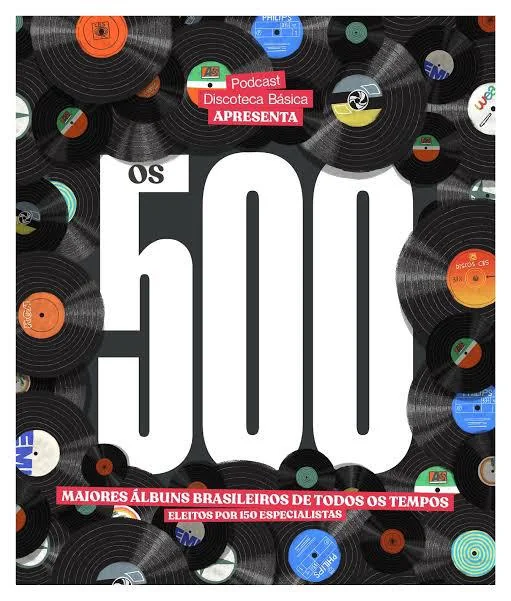
Os 500 Maiores Álbuns Brasileiros de Todos os Tempos
Ricardo Alexandre · 2022
The largest Brazilian music election ever conducted: 162 specialists, spanning journalists, critics, musicians, producers and podcasters, each nominated 50 essential albums, supported by a masterlist of more than 2,000 works. Led by Ricardo Alexandre with tabulation by Sérgio Jomori, it was published in December 2022 as a 200-page hardcover book with graphic design by Fernando Pires.
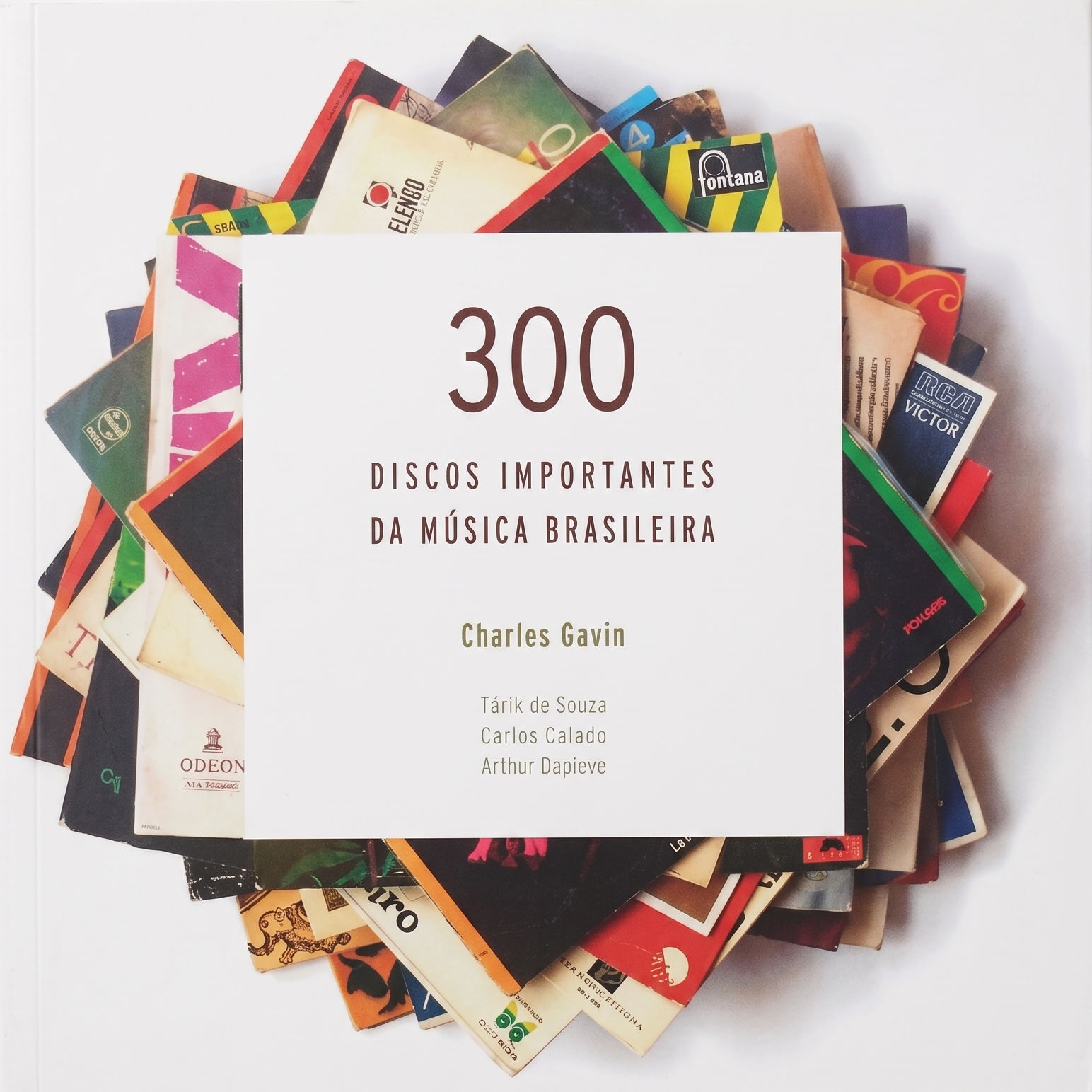
300 Discos Importantes da Música Brasileira
Charles Gavin, Tárik de Souza, Carlos Calado, Arthur Dapieve · 2008
Conceived by Titãs drummer and musical researcher Charles Gavin, the 434-page book brings together covers and reviews of albums released between 1929 and 2007. The texts were written by journalists Tárik de Souza, Arthur Dapieve and Carlos Calado.
Analyses
Canta Canta, Minha Gente – Wikipedia
Wikipedia, the free encyclopaedia
Canta Canta, Minha Gente - theshfl.com
theshfl.com
"Canta Canta, Minha Gente" (1974) is an invitation to anyone wishing to dip a toe into samba. Starred in by singer and composer Martinho da Vila, a bastion of contemporary samba music from Rio de Janeiro, this album compiles some of the songs that are considered the most popular of the genre - even now, crowds sing them together whenever ...
Revisitando Meus Clássicos: Martinho da Vila - Canta Canta, Minha Gente ...
monkeybuzz.com.br
Released in 1974, Canta Canta, Minha Gente brings together popular culture, Carnival, football, Brazilian history, works by old-guard samba artists and Afro-Brazilian religions – and, to everyone's delight, it was one of his biggest commercial successes.
O disco de Martinho da Vila que ensinou o Brasil a sorrir sambando
metropoles.com
"Canta, Canta, Minha Gente" was also a portrait of the country. It blended samba, carnival, football, religiosity and poetry, stitching together the Brazilian soul across 12 tracks that sound even more essential today.
"Canta Canta, Minha Gente", o melhor álbum de Martinho da Vila
opartisano.org
"Canta Canta, Minha Gente" was released in 1974 and, if it were released today, it would knock any album off the charts. Infectious, Brazilian like no other, "Canta Canta" is considered Martinho's best album in almost every sense: in lyrics, compositions, arrangements, and performance.