Clube da Esquina 2
Milton Nascimento
1978

Rankings
Why This Album Matters
Clube da Esquina 2, released in 1978 by the iconic Milton Nascimento, emerges as an ambitious continuation of the acclaimed eponymous musical movement, conceived in Minas Gerais in the 1960s. This double album, with its 23 tracks, maintains the collaborative approach and remarkable stylistic diversity that made its predecessor famous, incorporating experimental elements that broaden the Club's sound. Musically, the work engages in deep dialogue with earlier compositions, presenting both song continuations and familiar thematic and melodic elements. The album is also recognised for its profound historical and political relevance, reflecting the social contradictions of Brazil at the time. It sensitively and deeply explores universal themes of hope and despair, beauty and adversity, as well as the palpable tension between historical trauma and the nation's uncertain futures.
Songs
The musical structure of Clube da Esquina 2 establishes an intrinsic dialogue with the original album, either through thematic continuations or by incorporating similar elements that revisit the essence of the movement. The album stands out for an even broader range of collaborations, enriching the repertoire with the participation of major names in Brazilian music such as Elis Regina, Chico Buarque, and Francis Hime, alongside new talents and groups. This tapestry of voices and styles contributes to the richness and complexity of the compositions.
Legacy
In contrast to the immediate success of its predecessor, Clube da Esquina 2 did not achieve the same initial impact. Many fans at the time attributed this more subdued reception to the absence of some original group members, which, for them, resulted in songs perceived as 'weaker'. However, specialist critics re-evaluated the album over time. Alvaro Neder, from AllMusic, awarded it four out of five stars, highlighting that the album 'uncovers unsuspected details in the original vinyl' and 'crystallises the group of people/composers from the state of Minas Gerais', while continuing the themes of the previous work. He even compared the recording to The Beatles' Abbey Road, describing the tracks as 'testaments to certain periods in Brazilian history, rendered with expressiveness and passion'. Music journalist Chris McGowan described it as a 'Pan-South American fusion, with less rock and not as much North American influence', and Chris Evans, from the Stafford Post, gave it a rating of 9 out of 10, praising the album for being 'filled with sumptuous and effortless melodies'. In 2013, Milton Nascimento mentioned that his album Angelus could be considered a 'Clube da Esquina 3', indicating the lasting relevance of the concept.
Tracks
Credits
Milton Nascimento, Novelli, Ronaldo Bastos
Marcia Monteiro, Toninho Vicente
Mariozinho Rocha
Osmar Furtado
Nivaldo Duarte
Dacy Rodrigues, Roberto Castro, Toninho
Cafi, Loca, Ronaldo Bastos
Peninha Imagem, Tadeu Valério
Frank Meadow Sutcliffe
Cafi
Cafi, Loca
Videos
CLUBE DA ESQUINA: CLÁSSICO DE MILTON NASCIMENTO E LÔ BORGES | ALBUM REVIEW
Som de Peso
Clube da Esquina - Milton Nascimento e Lô Borges (Review)
Rádio Guerrilha
Milton Nascimento fala sobre o álbum "Clube da Esquina" l O Som do Vinil
Canal Brasil
A HISTÓRIA DO CLUBE DA ESQUINA | Vinilteca #49
Vinilteca
CLUBE DA ESQUINA II: história e análise da canção
letra, música & história
Clube da Esquina | Milton Nascimento | Lô Borges | Review 50 Anos | Podcast de Música
Pitadas do Sal
Films

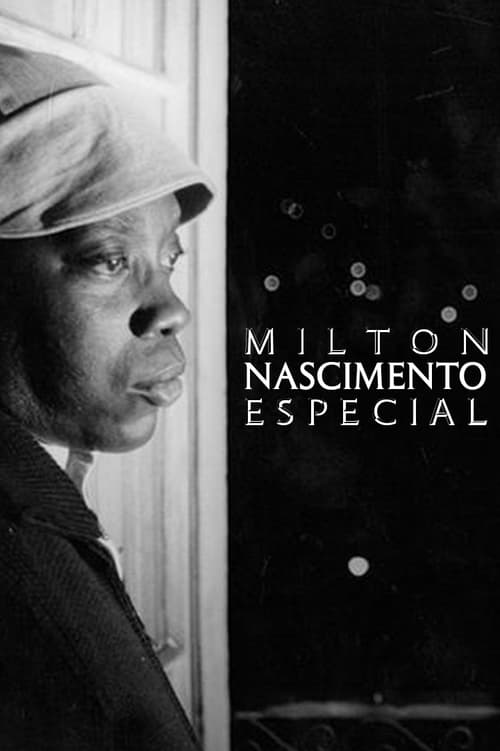
Milton Nascimento Especial
1982
Filmed in towns in Minas Gerais, Milton Nascimento and guests perform great hits and discuss their careers and music.
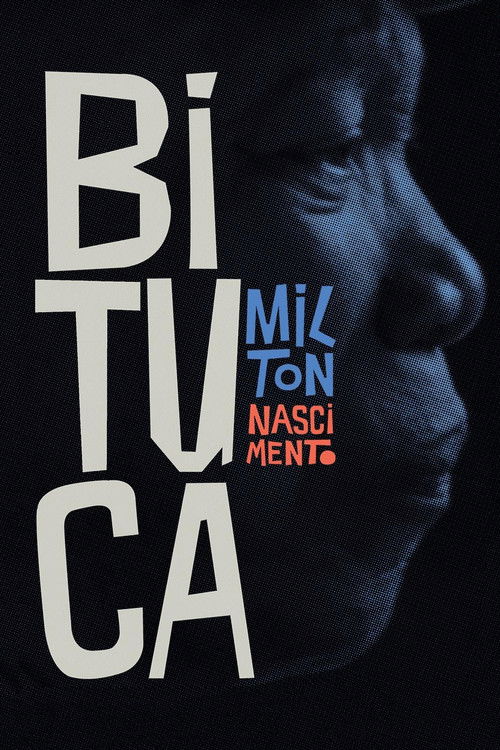
Milton Bituca Nascimento
2025
Milton Nascimento is a singer, a songwriter and a connoisseur of multiple instruments. Music is at the core of his being. He is also considered one of the most important Brazilian artists in its history, with musical partnerships (and friendships) with all of Brazil’s greats, and several Grammys to his name. The artist’s history and legacy are explored in this film, whose starting point is Nascimento’s farewell tour.
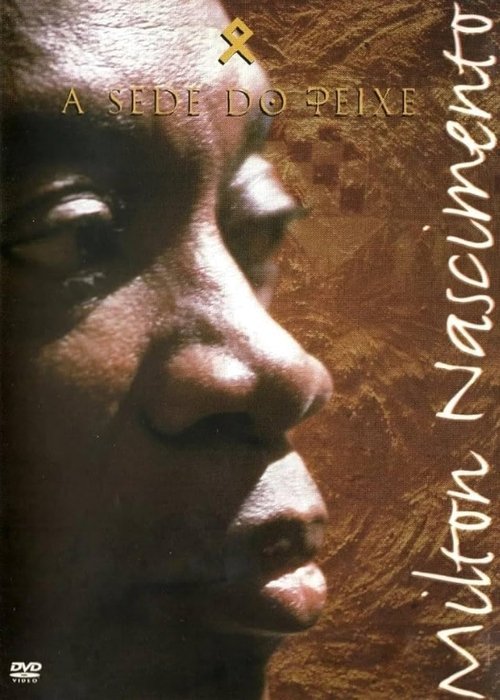
Milton Nascimento - A Sede do Peixe
1997
In December 1997, in Rio de Janeiro, Minas Gerais composer Milton Nascimento brought together friends and career partners for the special "A Sede do Peixe" (The Thirst of the Fish). Featuring Caetano Veloso, Alcione, Skank, Nana Caymmi, and Gilberto Gil, the film is a cultural treasure, portraying unforgettable, often lighthearted moments in the career of one of the greatest icons of Brazilian Popular Music.
Books
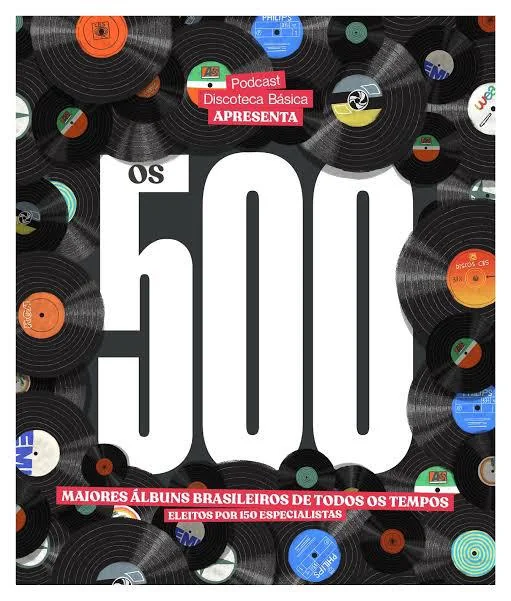
Os 500 Maiores Álbuns Brasileiros de Todos os Tempos
Ricardo Alexandre · 2022
The largest Brazilian music election ever conducted: 162 specialists, spanning journalists, critics, musicians, producers and podcasters, each nominated 50 essential albums, supported by a masterlist of more than 2,000 works. Led by Ricardo Alexandre with tabulation by Sérgio Jomori, it was published in December 2022 as a 200-page hardcover book with graphic design by Fernando Pires.

Travessia: A Vida de Milton Nascimento
Maria Dolores · 2006
Considered the most comprehensive biography of Milton Nascimento, 'Travessia' traces the artist's life and career, from his childhood in Minas Gerais, the formation of the Clube da Esquina movement, to his international consecration. The book meticulously details the creation of his main albums and songs, including the period of 'Clube da Esquina 2'.
Analyses
Clube da Esquina 2 – Wikipedia
Wikipedia, the free encyclopaedia
Album: Clube Da Esquina 2. Artist/Band: Milton Nascimento. Year: 1978.
staimusic.com
Clube Da Esquina 2- Album Overview Released in 2021, "Clube Da Esquina 2" marks a significant return for Brazilian musical legend Milton Nascimento, serving as a follow-up to his iconic 1972 album "Clube Da Esquina." Released under the Warner Music Brazil label, this album is a testament to Nascimento's enduring legacy and his ability to blend various musical styles, including MPB (Música ...
Milton Nascimento e o Clube da Esquina 2: Um símbolo da música ...
rollingstone.com.br
This was an album that, unlike Clube 1, where most of the musicians were from Minas, I decided to invite friends from various places. That's how Elis Regina, my greatest inspiration, Chico Buarque, Francis Hime, Pablo Milanés, and the groups Boca Livre and Tacuabé joined.

MUSICA&SOM: Milton Nascimento: Clube da Esquina 2 (1978)
tabernanovostempos.blogspot.com
In the late 60s, future Brazilian superstar Elis Regina noticed him and promoted his "Canção do sal" across Brazil, praising his extraordinary vocal ability ("If God sang, he would have Milton's voice," Elis would say). From then on, each of the subsequent albums by the artist from Minas Gerais was a success both at home and in the United States, where in 1975 he embarked on a tour alongside Wayne Shorter, then saxophonist for Weather Report. By 1978, Milton was a major star, and after 10 albums and 10 years into his professional career, he decided to synthesise all his musical and human experiences into a single work, drawing on all his friends and impeccable artistic production. The result: one of the most refined albums in the history of contemporary music, "Clube da esquina 2," recorded by the prestigious Emi label. The album is a double, presented in a sumptuous gatefold sleeve with photos, lyrics, and credits, and includes 23 songs, only 9 of which are credited to Nascimento.
MILTON NASCIMENTO E LÔ BORGES - "CLUBE DA ESQUINA No. 2"
cardosinho.blog.br
The movement was named after the corner of Divinópolis Street and Paraisópolis Street, in Belo Horizonte, where some young people – without money to attend the dances and parties at the clubs of the time – met to talk, play, and sing.