Clube da Esquina
Milton Nascimento & Lô Borges
1972

Rankings
Why This Album Matters
Clube da Esquina is an indelible landmark in Brazilian music, presenting itself as a collaborative double album by Milton Nascimento and Lô Borges, released in March 1972. This unique work is notable for its bold fusion of genres, combining the richness of MPB with elements of baroque pop, folk, and jazz pop, as well as incorporating influences from rock, psychedelia, and classical music. Its complex and innovative sound distinguishes it as a work of profound originality. Conceived during a period of intense political tension, under the Brazilian military dictatorship, the album transcends the context of its time to explore universal and timeless themes, such as friendship, the search for freedom, and the vibrancy of youth. Through its poetic lyrics and sophisticated arrangements, Clube da Esquina offers a rich and multifaceted auditory experience, inviting the listener on a journey of reflection and emotion.

Incidentally, the song "Nada Será como Antes" was premonitory: after that, MPB would never be the same again.
Antônio do Amaral Rocha · Rolling Stone Brasil
Context
The musical collective Clube da Esquina had its roots in the 1960s, in Belo Horizonte, Minas Gerais, where Milton Nascimento and the brothers Lô, Márcio, and Marilton Borges began their collaborations at the crossroads of Divinópolis and Paraisópolis streets. Milton, who had moved to the capital of Minas Gerais in 1963, met the Borges brothers at the Edifício Levy, establishing a musical connection that deepened over the years. He even taught Lô to play the guitar and compose, sowing the seeds for the future album. Milton Nascimento's career gained momentum, especially after the success of 'Canção do sal' sung by Elis Regina, which solidified partnerships and expanded the circle of musicians, laying the foundations for the Clube da Esquina movement. The pre-recording period was marked by creative effervescence and the turbulent political scenario of the military dictatorship, which, despite cultural restrictions, motivated artists to channel their art as a form of expression and refuge.
Recording
The album's recording predominantly took place at a beach house in Piratininga, Niterói, in the Mar Azul neighbourhood, where the group spent six months in creative sessions and rehearsals, with the first recordings happening in November 1971. The final sessions were held both in Rio de Janeiro, in Santa Tereza and in city centre bars, and at Odeon Studios. At these studios, the Clube da Esquina collective was given several weeks to record, with sessions extending for days and nights, characterised by intense collaboration, improvisation, and experimentation. The musicians alternated roles, with Beto Guedes playing a central part in production, performing bass and drums on 17 of the 21 tracks. Milton Nascimento was responsible for choosing the lyricists, while Márcio Borges and Fernando Brant dedicated themselves to the lyrics, and musicians like Toninho Horta developed the musical ideas. The orchestrations were mainly handled by Eumir Deodato and Wagner Tiso. Recording at Odeon Studios used analogue techniques, with one channel dedicated to vocals and another to instruments, demanding great precision from the musicians. The idea of a double album initially faced resistance from the EMI-Odeon record label, but the success of previous collaborations helped secure the necessary support. Before its release, three listening sessions of the album were held. Lô Borges highlighted the importance of focusing on art and songs during the military dictatorship, and Márcio Borges described the collaboration between Milton and Lô as a "kind of hybrid, homogeneous, autochthonous entity, formed by two heads, four hands, and two guitars". Toninho Horta, in turn, characterised the album as a "nectar, an oasis", emphasising the diversity and importance of each participant's musical background.
Songs
Clube da Esquina, composed of 21 tracks, is a work that delves into themes such as friendship, freedom, and youth, permeated by striking poetic lyricism. The fusion of musical styles is a distinctive characteristic, combining MPB, baroque pop, folk, and jazz pop with echoes of rock, psychedelia, bossa nova, classical, and Afro-American music. Critics interpreted the album as a reflection of a spirit of artistic freedom in contrast to the authoritarianism of the Brazilian military dictatorship, and the recurring road motif serves as a metaphor for life's transformations. Among the songs, 'Tudo Que Você Podia Ser' narrates resignation in the face of military oppression, while 'Cais' explores loneliness and the harbour as an emotional refuge, with influences from Villa-Lobos and jazz. 'O Trem Azul', sung by Lô, is a love song that uses the image of a train to evoke departure and inner searching, featuring a liberating and almost psychedelic sound. 'Nuvem Cigana' explores the road as a space of possibilities, and 'Cravo e Canela' is a tribute to actress Dina Sfat, with a samba arrangement that differs from its previous instrumental version. The longest track, 'Dos Cruces', is a 1952 Spanish bolero, interpreted by Milton, which addresses lost love and nostalgia. 'Um Girassol Da Cor De Seu Cabelo', by Lô, weaves dilemmas between leaving and staying, inspired by Duca Leal and featuring an existential and melancholic tone. 'San Vicente' evokes Latin America of the time, with references to the Andes and oppression, functioning as a metaphor for Brazil's sociopolitical state. The sequence 'Estrelas' and 'Clube da Esquina Nº 2' celebrates the love and friendship between Milton, Lô, and music. 'Paisagem da Janela', by Fernando Brant and Lô Borges, reflects the experience of a trip to Diamantina and the encounter with Juscelino Kubitschek, while 'Me Deixa Em Paz', featuring Alaíde Costa, is a samba that expresses the sadness of unrequited love with an introspective and jazzy arrangement. 'Os Povos' is a tribute to Milton's Venezuelan friends, and 'Saídas e Bandeiras Nº 2' lyrically complements the first part of the song.

An artist with modest sales yet immense prestige (a quality record labels still valued at the time), Milton Nascimento had his double album project bankrolled in 1972, when many of his festival colleagues were in exile.
Tárik de Souza · 300 Discos Importantes
Legacy
Clube da Esquina, despite its commercial success in Brazil and abroad, initially faced negative reviews from contemporary Brazilian critics, who considered it "poor and disposable" and failed to grasp its complex blend of genres and influences. However, critical perception shifted over time, and the album was subsequently acclaimed for its artistic value. The album achieved lasting international recognition, being included in the influential book "1001 Albums You Must Hear Before You Die" (2010). In 2022, it was voted the Best Brazilian Album of All Time by the podcast Discoteca Básica, and Paste magazine ranked it as the ninth best album of all time in 2024, demonstrating its continuous relevance. The impact of Clube da Esquina was so significant that it spawned a sequel, Clube da Esquina 2, released in 1978. This continuation expanded the original's collective discography, incorporating a broader range of collaborations and renowned artists such as Elis Regina, Chico Buarque, and Francis Hime, albeit with less participation from Lô Borges, further solidifying the movement's legacy and influence.
Tracks
Credits
Eumir Deodato, Wagner Tiso
Paulo Moura
Milton Miranda
Lindolfo Gaya
Milton Nascimento
Jorge, Nivaldo Duarte
Cafi
Cafi, Juvena Pereira
Podcasts
Brazuca Sounds · Leandro Vignoli
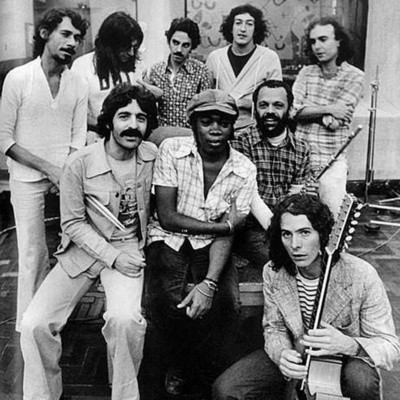
In episode #28 we discuss the making of "Clube da Esquina" released in March 1972. Considered one the best albums of Brazilian history, Milton Nascimento decided to come up with a collective effort of musicians signed as a duo with 19-year-old prodigy Lô Borges. It is a double LP impossible to define in one genre: folk, MPB, rock, psychedelia, prog, classical, indigenous. Clube da Esquina is every
Brazuca Sounds on Patreon · Leandro Vignoli
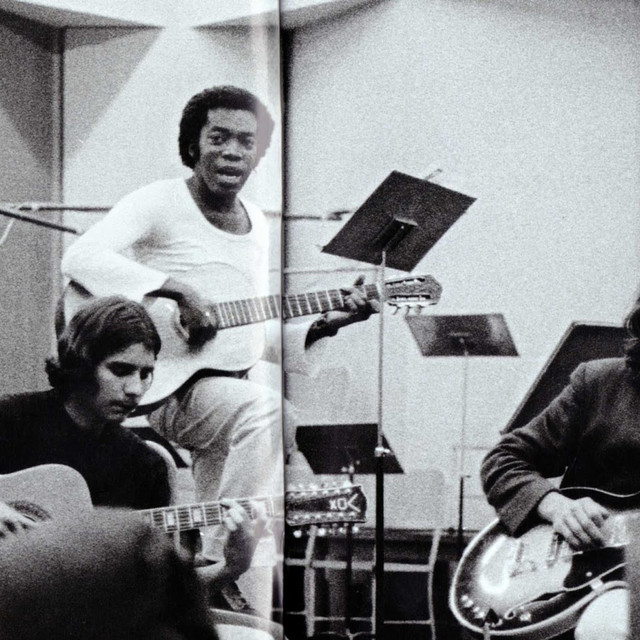
In episode #28 we discuss the making of "Clube da Esquina" released in March 1972. Considered one the best albums of Brazilian history, Milton Nascimento decided to come up with a collective effort of musicians and ended up even signing as a duo with 19-year-old prodigy Lô Borges. It is a double LP impossible to define in one genre: folk, MPB, tock, psychedelia, prog, classical, indigenous. In thi
1001 Album Club · Birch
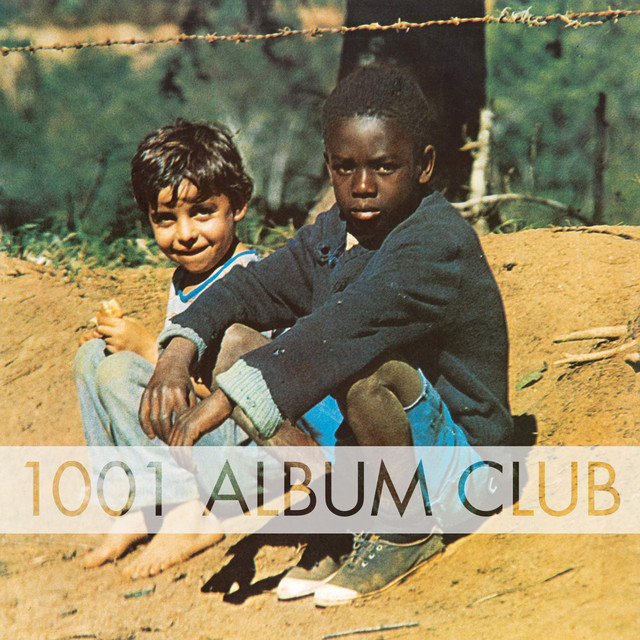
1972 saw Brazil controlled by a repressive military regime, but it was also a watershed moment for Brazilian pop music, or as it’s often called, MPB. Tropicália heroes Gilberto Gil and Caetano Veloso had found success outside of Brazil and had already stirred the flames of inspiration for the corner music collective and people from the Minas Gerais state called Clube Da Esquina.
Discoteca Básica Podcast · Parasol Storytelling
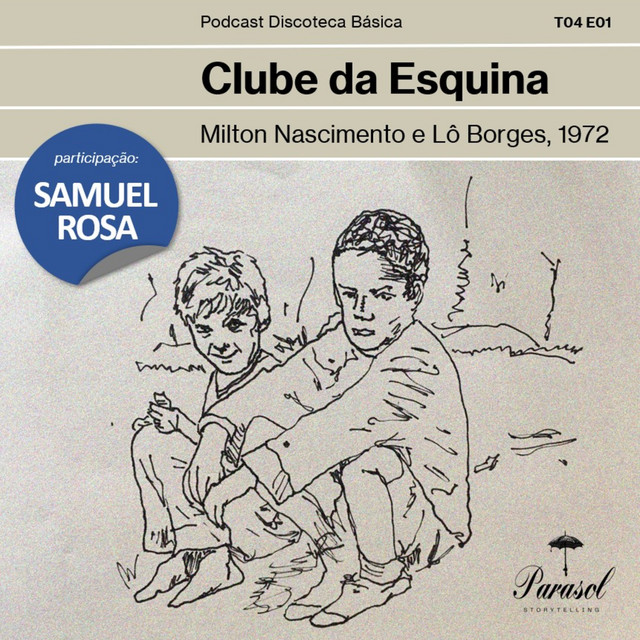
OFICIALMENTE, O MAIOR DISCO BRASILEIRO DE TODOS OS TEMPOS: Novos e velhos amigos reunidos numa aventura que rendeu a gravação do maior álbum brasileiro da história, segundo eleição promovida pelo podcast “Discoteca Básica”. Convidado do episódio: Samuel Rosa Assinante do Clube Discoteca Básica tem conteúdo exclusivo. Nesta semana, Lô Borges fala a respeito de sua participação no “Clube da Esquina”
Roda de conversa sobre os melhores discos que completam 50 anos em março de 2022. Participação de Felipe Nino Prestes, Igor Natusch e José Fernando Cardoso. Produção e apresentação de Eduardo Osorio. Ouça a playlist do episódio: https://open.spotify.com/playlist/1hYHVWENalZIadaLfxlMOt 10 MELHORES DISCOS DE MARÇO DE 1972 1º) Clube Da Esquina (Milton Nascimento & Lô Borges) 2º) Transa (Caetano Velo
Videos
CLUBE DA ESQUINA: CLÁSSICO DE MILTON NASCIMENTO E LÔ BORGES | ALBUM REVIEW
Som de Peso
"Clube da esquina" - Milton & Lô | Os melhores discos da MPB nos anos 70 | Alta Fidelidade
Alta Fidelidade
Documentário - Sobre Amigos e Canções (2010) [História do Clube da Esquina]
Sociedade dos Documentaristas Brasileiros
Lô Borges: Um papo sobre "Muito além do fim" e "Clube da Esquina" | Entrevista | Alta Fidelidade
Alta Fidelidade
A HISTÓRIA DO CLUBE DA ESQUINA | Vinilteca #49
Vinilteca
O QUE FOI O 'CLUBE DA ESQUINA' (E POR QUE ESTE DISCO É INCRÍVEL)
Júlio Ettore
Films

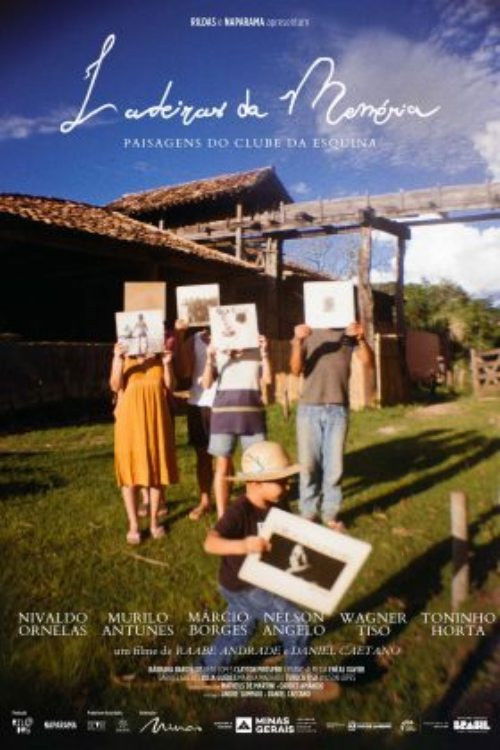
Ladeiras da Memória – Paisagens do Clube da Esquina
2026
Featuring interviews with members of the Clube da Esquina movement, “Ladeiras da Memória – Paisagens do Clube da Esquina” records the gathering of musicians from different generations in a studio to revisit significant songs from the group's repertoire. Thus, this film offers a look at the narrative constructions of memory, identity and artistic creation that characterise Clube da Esquina and its relationship with Minas Gerais.
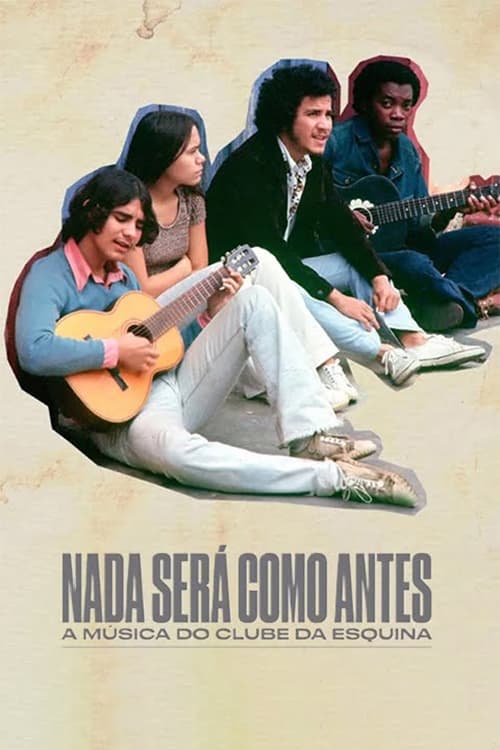
Nothing Like Before – The Music of Clube da Esquina
2024
Nothing Like Before delves into the creation of the Clube da Esquina Album (Brazil, 1972). Considered by many music critics one of the best albums of all time, it presented to the world musicians like Milton Nascimento, Lô Borges, Toninho Horta, Beto Guedes and Wagner Tiso.
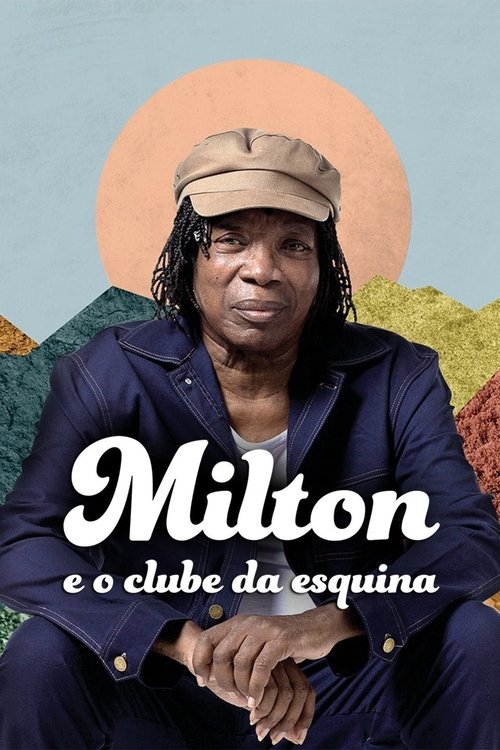
Milton e o Clube da Esquina
2020
Milton Nascimento reunites with former members of the iconic Clube da Esquina and welcomes special guests to record previously unreleased versions of songs immortalised in MPB.
Books

De tudo se faz canção: 50 anos do Clube da Esquina
Daniel Wiles · 2022
De Tudo Se Faz Canção: Os 50 anos do Clube da Esquina is a book organised by Márcio Borges and Chris Fuscaldo to celebrate the five decades of the album that revolutionised Brazilian music and, recently, was elected the best album ever released in the country, according to a ranking prepared by the podcast Discoteca.

Travessia: A Vida de Milton Nascimento
Maria Dolores · 2022
This biography originated from a project about Três Pontas, the city where Milton Nascimento, also known as Bituca, son of Mr Zino and Mrs Lília, was raised. At a party, the journalist Maria Dolores approached him, asking for an interview, and he, very obliging, not only agreed but also opened his home for further interviews. The author also interviewed over sixty musical personalities, including Chico Buarque, Caetano Veloso, Gilberto Gil, the members of Clube da Esquina, Nana and Danilo Caymmi, Ruy Guerra, Wayne Shorter and Herbie Hancock, as well as dozens of people who knew Milton personally, filling this book with previously untold stories. The result is a comprehensive portrait of Milton Nascimento, from his childhood in Minas Gerais to the present day. For fans, a delight. And, for those interested in music, a precious opportunity to discover the exceptional trajectory of talent and creativity of one of the greatest personalities in Brazilian music of all time.
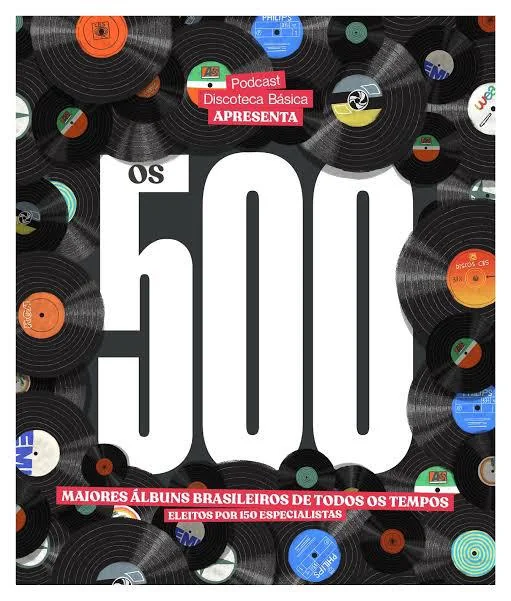
Os 500 Maiores Álbuns Brasileiros de Todos os Tempos
Ricardo Alexandre · 2022
The largest Brazilian music election ever conducted: 162 specialists, spanning journalists, critics, musicians, producers and podcasters, each nominated 50 essential albums, supported by a masterlist of more than 2,000 works. Led by Ricardo Alexandre with tabulation by Sérgio Jomori, it was published in December 2022 as a 200-page hardcover book with graphic design by Fernando Pires.
Milton Nascimento e Lô Borges - Clube da Esquina
Paulo Thiago de Mello · 2020
This book tells the story of the creation of the album Clube da Esquina, which emerged from the partnership between singers and composers Milton Nascimento and Lô Borges. The songs, which celebrate friendship, as well as the love for the land, carry the spirit of Minas Gerais, where, in the 1960s, the meetings of the
Lô Borges e Milton Nascimento, Clube da Esquina
Charles Gavin, Milton Nascimento, Lô Borges · 2015
The complete interviews with Lô Borges and Milton Nascimento for Charles Gavin, from Som do Vinil, about their careers and one of the most iconic Brazilian albums: Clube da Esquina (EMI, 1972). 'The proposal left Odeon's artistic department bewildered: the production of an album by a great as
Analyses
Clube da Esquina – Wikipedia
Wikipedia, the free encyclopaedia
Clube da Esquina – The 100 Greatest Albums of Brazilian Music
Antônio do Amaral Rocha · Rolling Stone Brasil
Incidentally, the song "Nada Será como Antes" was premonitory: after that, MPB would never be the same again.
Milton Nascimento, Lô Borges - Clube Da Esquina - Classic Music Review
altrockchick.com
Clube da Esquina was recorded in 1972, eight years after an American-backed coup turned Brazil into a fascist dictatorship. Curiously enough, the musical arts flourished during this repressive environment, but all written material (including song lyrics) had to be cleared with the authorities prior to publication and distribution.
Milton Nascimento & Lo Borges 'Clube Da Esquina' (1972)
musicofmatthew.com
Recorded in 1972 under Brazil's oppressive military dictatorship, Clube de Esquina represents both a musical triumph as well as a quiet act of resistance. At a time when censorship and fear defined daily life, Milton Nascimento and the 20-year-old Lô Borges gathered a collective of musicians to create something transcendent—a lush, double album that celebrated…
Milton Nascimento / Lô Borges: Clube Da Esquina - Pitchfork
pitchfork.com
While deep in the morass of a brutally repressive military regime, 1972 was a watershed moment for Brazilian pop music, or as it's often called, MPB: Novos Baianos' Acabou Chorare, Paulinho da ...