Milagre dos Peixes
Milton Nascimento
1973

Rankings
Why This Album Matters
Milagre dos Peixes, released in 1973, holds a unique place in Milton Nascimento's discography and in the history of Brazilian music, marking one of the most experimental and daring points of his career. The album stands out for its profound exploration of sound qualities and innovative work with voices, navigating genres such as MPB, Avant-Folk, Spiritual Jazz, and Folk Music. Its relevance is intrinsically linked to the period of severe repression under the Brazilian military dictatorship. With several songs having their lyrics censored, Milton Nascimento made the courageous decision to record them instrumentally or with vocalizations, shouts, and whispers in place of words. This choice transformed the imposed silence into a powerful form of language, allowing the listener to feel the absence and oppression of the era. It is an eloquent testament to how art can resist and reinvent itself in the face of brutality, making the album a record of resilience and innovation.

Milton Nascimento merely confirms what was already clear: the most remarkable male voice in MPB of all time.
Antônio do Amaral Rocha · Rolling Stone Brasil
Context
Released in 1973, Milagre dos Peixes emerged at the height of the Brazilian military dictatorship, a period marked by the intensification of censorship and severe control over cultural production, heightened after Institutional Act Number Five (AI-5) in 1968. Milton Nascimento was already a prominent figure on the music scene, fresh from the enormous success of Clube da Esquina (1972), and had been under military surveillance since 1968. His musical project was, therefore, awaited with great expectation, but also under the watchful eye of the regime. In this suffocating political context, the album, the artist's seventh studio effort, became a direct artistic response to oppression, using the very absence of words as a form of protest and expression. The title "Milagre dos Peixes" itself already countered the government's propaganda of the "economic miracle", denouncing the contradictions of the period.
Recording
The album Milagre dos Peixes was released in 1973 by the EMI/Odeon label. Production was overseen by Fernando Brant, with musical direction by Maestro Gaya. The recording featured a constellation of Brazilian musical talents, including arrangements by Wagner Tiso and string conducting by Paulo Moura. Among the musicians who contributed to the album's unique sound were Novelli on bass, Naná Vasconcelos and Robertinho Silva on percussion, Paulinho Braga on drums, Nivaldo Ornelas and Paulo Moura on saxophones, as well as Nico Borges and Gonzaguinha on vocals and choir. Notably, the original LP featured an elaborate gatefold sleeve, which unfolded into a poster, accompanied by five individual coloured inserts for each track, containing credits and, where possible, the song lyrics. The sound engineers involved in the recording included Reny R. Lippi, Dacy, Nivaldo Duarte, and Toninho, under the technical direction of Z. J. Merky.
Songs
Milagre dos Peixes is notable for its composition of 11 tracks, eight of which are instrumental, a direct result of the censorship imposed by the military dictatorship. Although Milton Nascimento had already planned some tracks without lyrics, censorship added another three to the list, forcing the artist to find new forms of expression. The absence of words was filled with expressive vocalizations, complex arrangements, and a fusion of musical elements that resonated with the atmosphere of the time, innovating Brazilian musical production. Among the tracks, "Os Escravos de Jó" is a striking example. Originally titled "O Homem da Sucursal" and recorded in 1970, its lyrics were blocked by censorship for "political contestation, satire, protest and pornographic content", leading it to be re-recorded without the complete lyrics, but featuring the vocal participation of Clementina de Jesus. The title track "Milagre dos Peixes" is also instrumental, serving as a veiled critique of the regime's "economic miracle". "Pablo Nº 2" refers to Milton's adopted son and is a Latin instrumental piece with choirs, including Gonzaguinha's voice. "A Última Sessão de Música", on the other hand, is a piano melody played by Milton himself. Only "Sacramento", co-written with Nelson Angelo, was one of the few to retain its original lyrics, offering a profound reflection on life.
Legacy
Milagre dos Peixes cemented its place as a landmark in Brazilian music, being acclaimed by critics and the public. Rolling Stone Brasil magazine elected it as the 63rd best Brazilian album of all time, and Allmusic awarded it 4.5 out of 5 stars, attesting to its quality and lasting impact. It is considered one of the most challenging albums, but also one that grows most with each listen, revealing layers of meaning and musical depth. The album's success and relevance were so great that, the following year, Milton Nascimento recorded "Milagre dos Peixes Ao Vivo" (1974) at the Theatro Municipal de São Paulo, accompanied by the band Som Imaginário and an orchestra, with arrangements by Wagner Tiso, Paulo Moura, and Radamés Gnatalli. This live album not only expanded the original experience but also solidified the artistic proposition of the work. The work is seen as a powerful manifesto against repression, "a more honest record of how art survives brutality", and its experimental sound and vocal approach inspired generations, showing that music can be resistance even without words.
Tracks
Credits
Lindolfo Gaya
Manoel Moraes
Milton Miranda
Reny R. Lippi
Nivaldo Duarte
Dacy Rodrigues, Nivaldo Duarte, Toninho
Z. J. Merky
Noguchi
Noguchi, Ronaldo Cientista
Podcasts
Brazuca Sounds · Leandro Vignoli
In episode #52 we talk about the album "Milagre dos Peixes" by Milton Nascimento, released in August 1973. Following the success of "Clube da Esquina" in 1972 Milton reunited with his band Som Imaginário to produce a follow-up as good (or better) than his previous masterpiece. "Milagre dos Peixes" had its lyrics heavily censored by the military regime, so it became an experimental endeavor of soni
Videos
MILTON NASCIMENTO - MILAGRE DOS PEIXES (1973) | ALBUM REVIEW
Vinilteca
Films

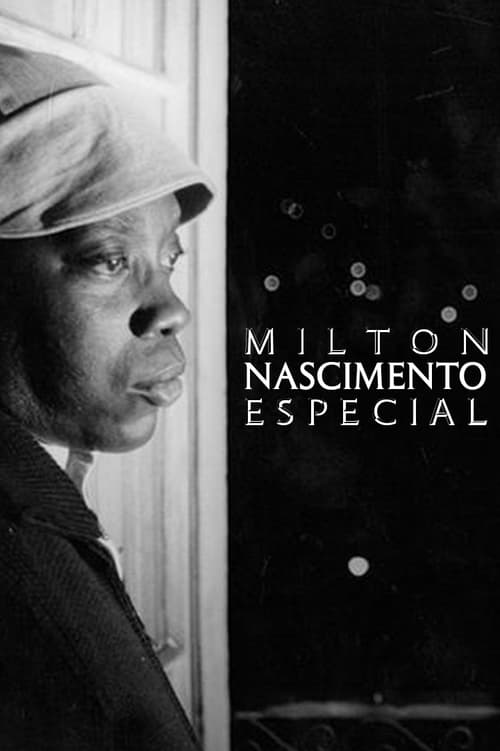
Milton Nascimento Especial
1982
Recorded in towns in Minas Gerais, Milton Nascimento and guests sing major hits and discuss their careers and music.

Milton Bituca Nascimento
2025
Milton Nascimento is a singer, a songwriter and a connoisseur of multiple instruments. Music is at the core of his being. He is also considered one of the most important Brazilian artists in its history, with musical partnerships (and friendships) with all of Brazil’s greats, and several Grammys to his name. The artist’s history and legacy are explored in this film, whose starting point is Nascimento’s farewell tour.
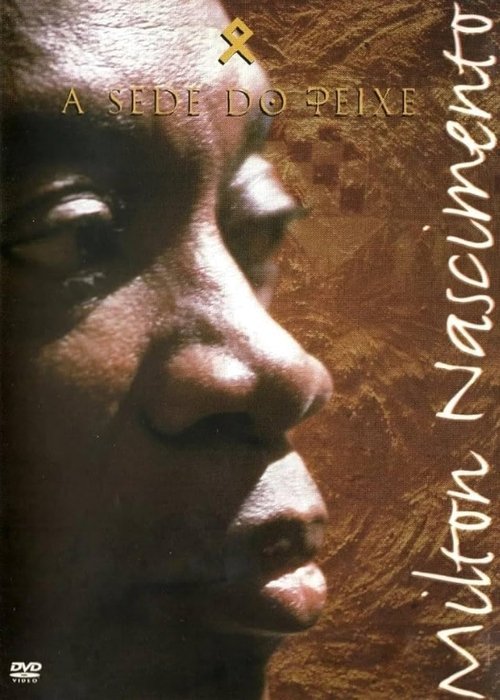
Milton Nascimento - A Sede do Peixe
1997
In December 1997, in Rio de Janeiro, Minas Gerais composer Milton Nascimento brought together friends and career partners for the special "A Sede do Peixe" (The Thirst of the Fish). Featuring Caetano Veloso, Alcione, Skank, Nana Caymmi, and Gilberto Gil, the film is a cultural treasure, portraying unforgettable, often lighthearted moments in the career of one of the greatest icons of Brazilian Popular Music.
Books
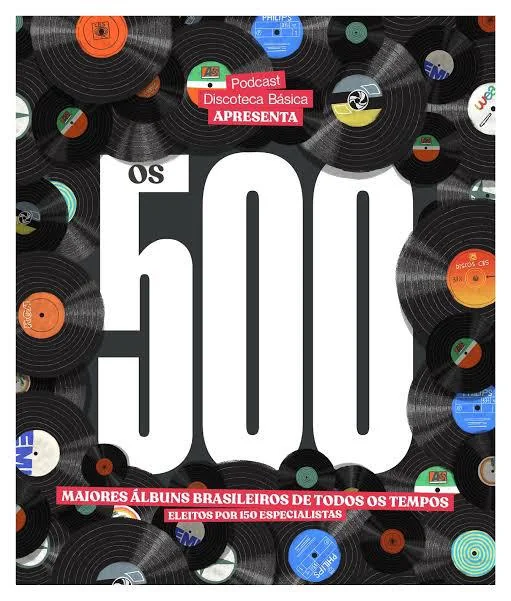
Os 500 Maiores Álbuns Brasileiros de Todos os Tempos
Ricardo Alexandre · 2022
The largest Brazilian music election ever conducted: 162 specialists, spanning journalists, critics, musicians, producers and podcasters, each nominated 50 essential albums, supported by a masterlist of more than 2,000 works. Led by Ricardo Alexandre with tabulation by Sérgio Jomori, it was published in December 2022 as a 200-page hardcover book with graphic design by Fernando Pires.

Travessia: A Vida de Milton Nascimento
Maria Dolores · 2006
This is a comprehensive and acclaimed biography of Milton Nascimento, which addresses his life, career, and the context of creation of his most important works. It is highly probable that 'Milagre dos Peixes', a seminal album released under strong censorship during the military dictatorship, receives significant attention in the work, detailing its creative process and impact.
Analyses
Milagre dos Peixes – Wikipedia
Wikipedia, the free encyclopaedia
Milagre dos Peixes – The 100 Greatest Albums of Brazilian Music
Antônio do Amaral Rocha · Rolling Stone Brasil
Milton Nascimento merely confirms what was already clear: the most remarkable male voice in MPB of all time.
Album: Milagre dos peixes. Artist/Band: Milton Nascimento. Year: 1973.
staimusic.com
Album overview Milton Nascimento's "Milagre dos Peixes," released in 1973, is a landmark album that exemplifies the rich tapestry of Brazilian music. Released under the label EMI, this album features a blend of MPB (Música Popular Brasileira), jazz, and folk influences, showcasing Nascimento's unique vocal style and innovative songwriting.

Review: MILAGRE DOS PEIXES - Milton Nascimento (1973) / escrito por ...
movimentoprofano.blogspot.com
"Milagre dos Peixes" bears the album's name and accurately reflects Milton's feeling of continuing even in a moment of difficulty. "A Chamada" is a sad song, where not many words are heard, yet voices are very present.
Aquela Musica Apresenta "Milagre dos Peixes - 1973"
aquelamusica.com
Artist/Band: Milton Nascimento. "Milagre dos Peixes" was released by the Odeon record label in 1973 and had a large part of its songs, 8 tracks in fact, censored by the Brazilian Military Dictatorship, so Milton Nascimento recorded them only in their instrumental version.