Travessia
Milton Nascimento
1967

Rankings
Why This Album Matters
Travessia, Milton Nascimento's debut album, originally released in 1967 under the title "Milton Nascimento", is a seminal work that redefined the course of Brazilian Popular Music. This record introduced the public to the singular voice and compositional talent of Bituca, an artist who, even in his first work, demonstrated impressive maturity and originality. The album is a landmark for its innovative sound, which amalgamates influences from jazz, samba-jazz, sacred music and elements of Minas Gerais folklore and rock, creating an entirely new musical language. The collaboration with the musicians of Tamba Trio, who at the time performed as Tamba 4, and the sophisticated arrangements by Eumir Deodato and Luiz Eça, lend the album a harmonic and instrumental richness that became characteristic of Milton Nascimento's work. "Travessia" is not just a debut record, but an artistic manifesto that heralded the arrival of one of the greatest musical geniuses in the world, with compositions that move between the poetic, the political and the experimental, establishing a new 'niche' in Brazilian music.
Context
The release of Travessia occurred in 1967, a year of great cultural effervescence and political tensions in Brazil, marked by the rise of the military dictatorship and the popularity of music festivals. These festivals were important stages for the unveiling of new talents and for artistic expression during a period of censorship and repression. Before this album, Milton Nascimento was already performing as a musician in Minas Gerais nightlife, and his compositions were beginning to gain recognition, with the emblematic "Canção do Sal" being recorded by Elis Regina in 1966. It was also during this period that Milton intensified his partnerships with young lyricists and musicians in Belo Horizonte, who would later form Clube da Esquina. The creative effervescence and the search for a sound that blended his Minas Gerais roots with global influences, such as Miles Davis' jazz, shaped the conception of this album.
Recording
The album Travessia was recorded between 1966 and 1967, marking Milton Nascimento's phonographic debut as a performer. Released by the Codil label, the record featured production by Nilton Vale for the original LP version. The arrangements, which are one of the pillars of the album's musical sophistication, were handled by the talented Eumir Deodato and Luiz Eça. Accompanying Milton was Tamba 4, an extended formation of the renowned Tamba Trio, composed of Luiz Eça (piano), Bebeto (flute), Dório Ferreira (vocals) and Ohana (drums), which added a jazzy and refined texture to the songs. Although some detailed credits are not available in the original technical sheet, the record is notable for the inclusion of string and wind arrangements, which contribute to the rich sound and musical breadth of the work.
Songs
Travessia's ten tracks are a testament to Milton Nascimento's early genius, revealing a composer and singer of profound lyricism and inventiveness. The title track, "Travessia", a partnership with Fernando Brant, is one of the album's highlights and became one of MPB's greatest classics. Its lyrics, which address the pain of unrequited love and the search for overcoming, also carry subtle criticisms of the military dictatorship's context, as in verses like "Minha casa não é minha / E nem é meu este lugar". Other prominent songs include "Morro Velho", which came seventh in the same 1967 International Song Festival, and "Canção do Sal", already celebrated in the voice of Elis Regina. The compositions, many in partnership with Ronaldo Bastos and Márcio Borges, explore varied themes, from existential reflection to social observation, wrapped in complex and engaging melodies. Tracks like "Catavento" demonstrate the artist's experimental side, while others evoke landscapes and profound feelings, transporting the listener to the interior of Minas Gerais, permeated by the sound of the train that would become a trademark in his work.
Legacy
Travessia not only launched Milton Nascimento's career, but established a new paradigm in Brazilian popular music. The title track, performed by Milton at the 1967 International Song Festival, took second place and he was elected the event's best interpreter, catapulting him onto the national and international scene. This immediate success boosted the recording of the album and opened doors for a career of global projection, leading him to record his next album, Courage, in the United States. The album is considered revolutionary for its fusion of styles and the complexity of its compositions, exerting a lasting influence on generations of Brazilian musicians and composers. The song "Travessia" was translated into English as "Bridges" and recorded by international artists such as Tony Bennett, solidifying its status as an anthem of MPB and a landmark of Brazilian music abroad.
Tracks
Credits
Creed Taylor
José Marino
George Marge
João Palma
Hubert Laws, Jerome Richardson
Romeo Penque
Eumir Deodato
Airto Moreira
Herbie Hancock
Bill Watrous, Wayne Andre
Burt Collins, Marvin Stamm
Rudy Van Gelder
Podcasts
Travessia · Central 3 Podcasts
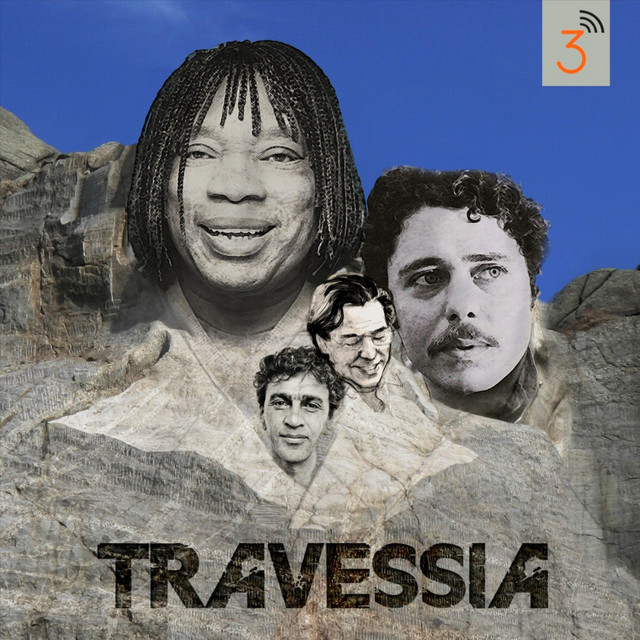
80 anos de vida, ao menos 65 dos quais vivendo de música nos bailes da vida. Depois dele, nada foi como antes. E como a Maria que ele mesmo canta, aos 80 anos ainda possui a estranha mania de ter fé na vida. 80 anos a deixar a sua luz brilhar e ser muito tranquilo. É sobre Milton Nascimento o Travessia desta semana.
Travessia · Central 3 Podcasts
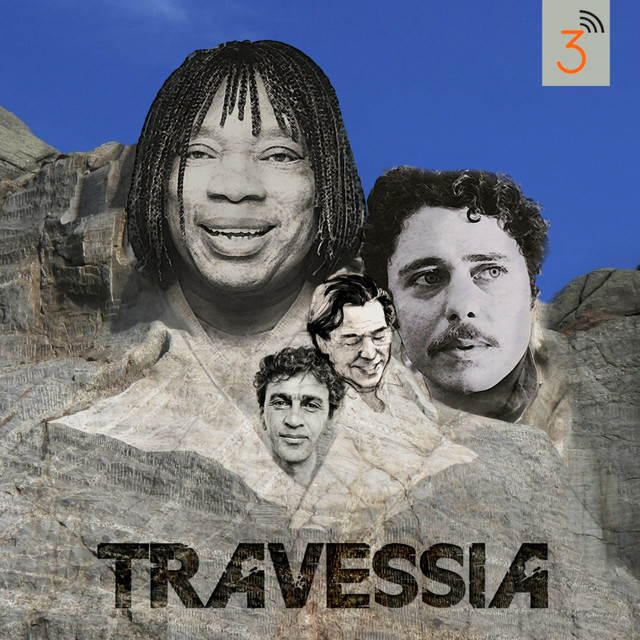
Foi a confluência da música e da amizade, da MPB e do rock. Foi Minas Gerais, o Brasil e o mundo numa esquina que marcou as gerações seguintes da música brasileira. O Clube da Esquina completa 50 anos. É sobre a obra mágica de Milton, Lô, Marcio, Beto, Fernando e companhia o Travessia desta semana, aqui na Central Três.
Videos
A História Por Trás da Canção Travessia de Milton Nascimento
A História da Música
Films

Milton Nascimento Especial
1982
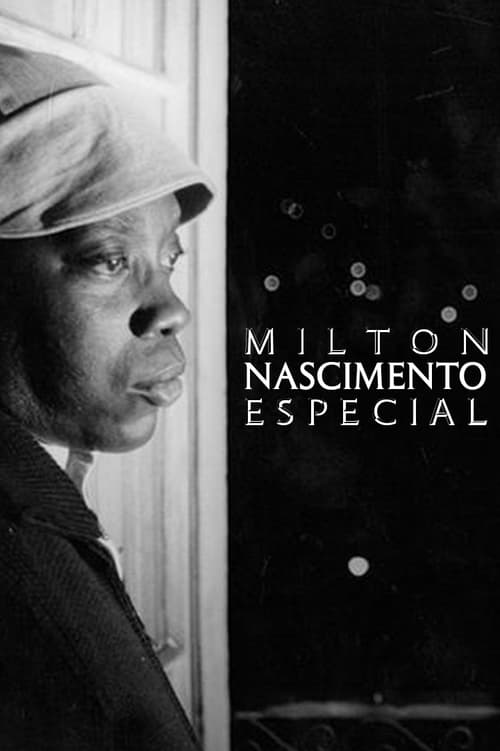
Recorded in cities in Minas Gerais, Milton Nascimento and guests sing their greatest hits and discuss their careers and music.

Milton Bituca Nascimento
2025
Milton Nascimento is a singer, a songwriter and a connoisseur of multiple instruments. Music is at the core of his being. He is also considered one of the most important Brazilian artists in its history, with musical partnerships (and friendships) with all of Brazil’s greats, and several Grammys to his name. The artist’s history and legacy are explored in this film, whose starting point is Nascimento’s farewell tour.
Milton Nascimento - A Sede do Peixe
1997
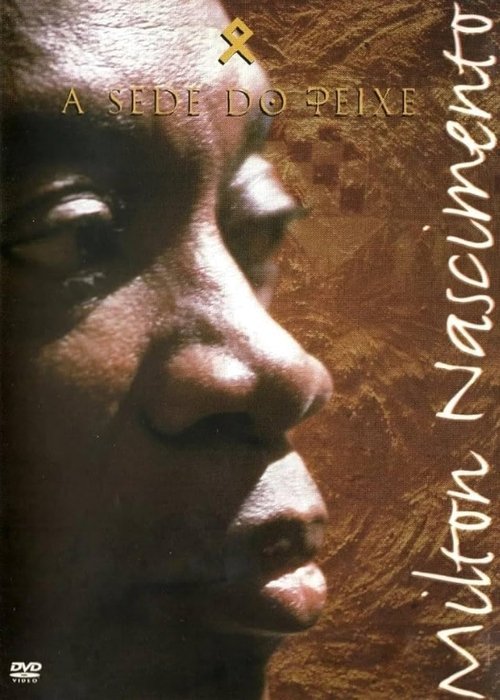
In December 1997, in Rio de Janeiro, Minas Gerais composer Milton Nascimento brought together friends and career partners for the special "A Sede do Peixe" (The Thirst of the Fish). Featuring Caetano Veloso, Alcione, Skank, Nana Caymmi, and Gilberto Gil, the film is a cultural treasure, portraying unforgettable, often lighthearted moments in the career of one of the greatest icons of Brazilian Popular Music.
Books

Analyses
Travessia – Wikipedia
Wikipedia, the free encyclopaedia
Travessia by Milton Nascimento (1967) | Jazz Album | All About Jazz
allaboutjazz.com
Listen to and explore Travessia by Milton Nascimento, released in 1967 on Codil. Read reviews, track listings, and discover more jazz albums on All About Jazz.

Zero G Sound : Milton Nascimento - Travessia (1967)
zerosounds.blogspot.com
Februar 2019 Milton Nascimento - Travessia (1967) "Travessia", the debut album of Milton Nascimento that was first released in 1967, has been re-released several times through the years. It is a good sample of how Nascimento sounded before his Clube da Esquina phase, and the album largely consists of very slow, very gentle songs with long melodies.
Album: Travessia. Artist/Band: Milton Nascimento. Year: 1967.
staimusic.com
Travessia. 1967. A Milton Nascimento album, with duration of: :00:-1

Analisando Discografias - Milton Nascimento: Parte 1
obrenno.blogspot.com
In 1967, the legendary Milton Nascimento released his self-titled debut album, which became better known as Travessia. Our beloved Bituca already showed musical inclination from childhood.