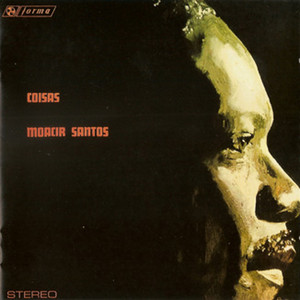
Coisas
Moacir Santos
1965
Rankings
Why This Album Matters
Coisas, released in 1965, is the debut solo album by the arranger, composer, conductor, and multi-instrumentalist Moacir Santos. The record stands out for its unique sound, blending jazz with Afro-Brazilian rhythms, presenting a fusion that diverges from both Bossa Nova and the Bebop and Hard Bop styles dominating the scene at the time. Its originality lies in its refusal to be pigeonholed, creating a sonic identity that became a landmark in Brazilian instrumental music. The ten instrumental tracks, all composed and arranged by Santos, are named 'Coisa' followed by a number, a direct inspiration from the Opus numbering system of classical music, adapted for the popular sphere. This approach not only reflects the conductor's erudition but also underscores the work's profound connection to Black music, a strong counterpoint to the Brazilian musical landscape of the 1960s. The sophisticated arrangements, unusual timbre combinations, complex harmonic progressions, cross-rhythms, and the alternation between jazz and modern classical harmony are elements that make up the rich musical tapestry of the album.

It featured intricate harmonies and fusions of baião, xote, and samba with jazz.
Toninho Spessoto · Rolling Stone Brasil
Context
Prior to the release of Coisas, Moacir Santos already had a consolidated career as a composer of soundtracks for various Brazilian films and productions filmed in Brazil, many of which served as inspiration or were repurposed for the album's compositions. Alongside his work as a composer, Santos was a respected teacher, influencing talents in Brazilian music and instructing students such as Sérgio Mendes, to whom he passed compositions that would form the basis of the Bossa Rio group.
Recording
The album Coisas was recorded at RCA Victor studios, with sessions taking place between 23 and 25 March 1965. Production was handled by Roberto Quartin, who also authored the liner notes for the first edition, released by the Forma label in the same year. The technical credits also list Wadi Gebara Netto as artistic director and Alberto Soluri as recording engineer, ensuring the sound quality that would become characteristic of the work.
Songs
The ten instrumental tracks on Coisas are notable for their structure and sound, all titled as "Coisa" followed by a number, referencing the Opus numbering practice of classical music. Among the compositions, "Coisa nº 5", also known as "Nanã", stands out as the most celebrated track, with over 150 recordings by diverse artists, including Herbie Mann and Kenny Burrell. This song, which originated as the opening theme for the film Ganga Zumba, has a rich history, with the maestro imagining its melody during a walk, and initially Vinicius de Moraes, and subsequently Mário Telles, crafting lyrics for it. Other songwriting collaborations include Mário Telles on "Coisa nº 10", "Coisa nº 5", and "Coisa nº 7"; Regina Werneck on "Coisa nº 9" and "Coisa nº 8"; and Clóvis Mello on "Coisa nº 1". The originality of Santos's creations lies in sophisticated arrangements, unusual timbre combinations, complex harmonic progressions, the occurrence of cross-rhythms, and the alternation between jazz harmony and modern classical music. The unpredictability of the melodies is another striking characteristic, as the musician did not construct his compositions from the development of simple melodic cells, resulting in a rich and innovative sound.

In addition to providing a rare sonic delight across its succinct ten tracks, Coisas has broken important paradigms since its release in 1965. One of these, the supposed primitivism attributed to native music with Afro roots.
Tárik de Souza · 300 Discos Importantes
Legacy
The reception of Coisas has been significant over time, solidifying its status as a landmark in Brazilian music. The LP was voted the 23rd best Brazilian album of all time in a list compiled by the Brazilian edition of Rolling Stone magazine. Although originally released in 1965, the album only received a CD re-issue in 2005, prompted by the widespread acclaim for the double CD Ouro Negro, which re-recorded almost all the songs for the new MPB (Brazilian Popular Music) scene. The song "Coisa nº 5" (Nanã) had a notable impact, being recorded by over 150 different artists and influencing national and international musicians.
Tracks
Credits
Wadi Gebara Netto
Roberto Quartin
Dulcilando Pereira, Jorge Ferreira Da Silva
Geraldo Medeiros, Moacir Santos
Gabriel Bezerra
Armando Palla
Giorgio Bariola, Peter Dauelsberg, Watson Clis
Wilson Das Neves
Nicolino Cópia
Geraldo Vaspar
Elias Ferreira
Chaim Lewack
Luiz Bezerra
Edmundo Maciel
João Gerônimo Menezes, Julio Barbosa
José Cláudio das Neves
Alberto Soluri
Patricia Tattersfield
Pedro Morais
Podcasts
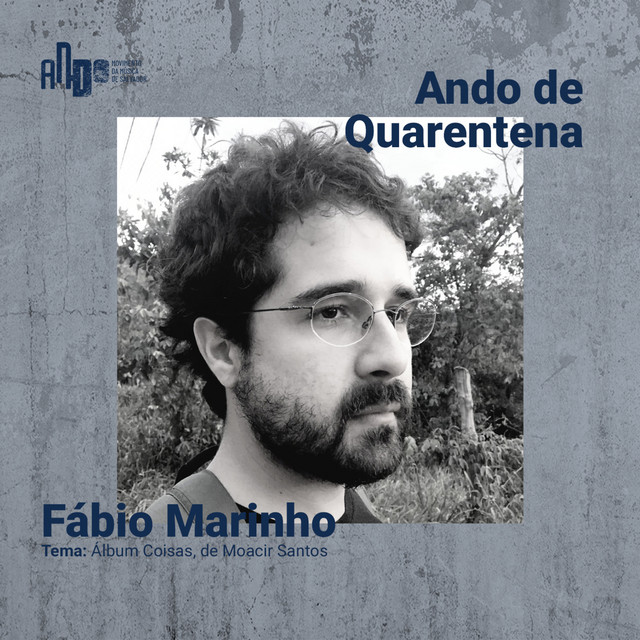
Ando de Quarentena · Ando: movimento da música de Salvador
Este é o Ando de Quarentena, um podcast da plataforma Ando: movimento da música de Salvador. Acreditamos que a rua movimenta a rede e a rede movimenta a rua, então este podcast é uma forma nos mantermos conectados durante o período de isolamento social. Nesta edição vamos conversar com o músico e pesquisador Fábio Marinho. Ele nos apresenta o álbum Coisas, de Moacir Santos. Fábio Marinho é soterop
Videos
AS "COISAS" GENIAIS DE MOACIR SANTOS | ALBUM REVIEW
Som de Peso
Books
Moacir Santos ou os caminhos de um músico brasileiro
Andrea Ernest Dias · 2025
This work by Andrea Ernest Dias offers an in-depth study of the life and work of Moacir Santos. Being a comprehensive analysis of his trajectory as a Brazilian musician, it is indispensable for understanding the context and creation of 'Coisas', his most iconic and influential album.
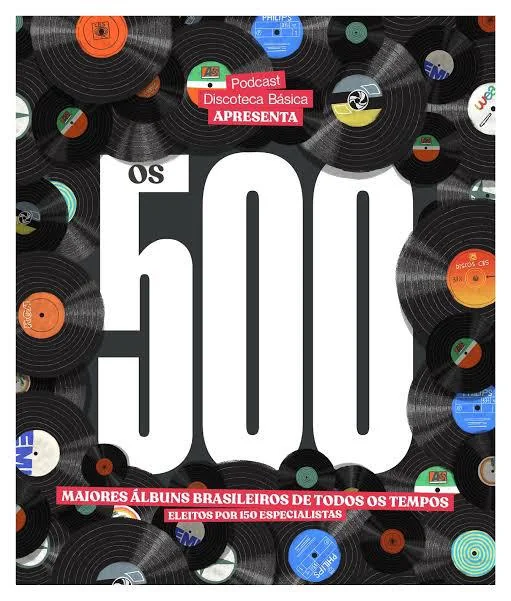
Os 500 Maiores Álbuns Brasileiros de Todos os Tempos
Ricardo Alexandre · 2022
The largest Brazilian music election ever conducted: 162 specialists, spanning journalists, critics, musicians, producers and podcasters, each nominated 50 essential albums, supported by a masterlist of more than 2,000 works. Led by Ricardo Alexandre with tabulation by Sérgio Jomori, it was published in December 2022 as a 200-page hardcover book with graphic design by Fernando Pires.
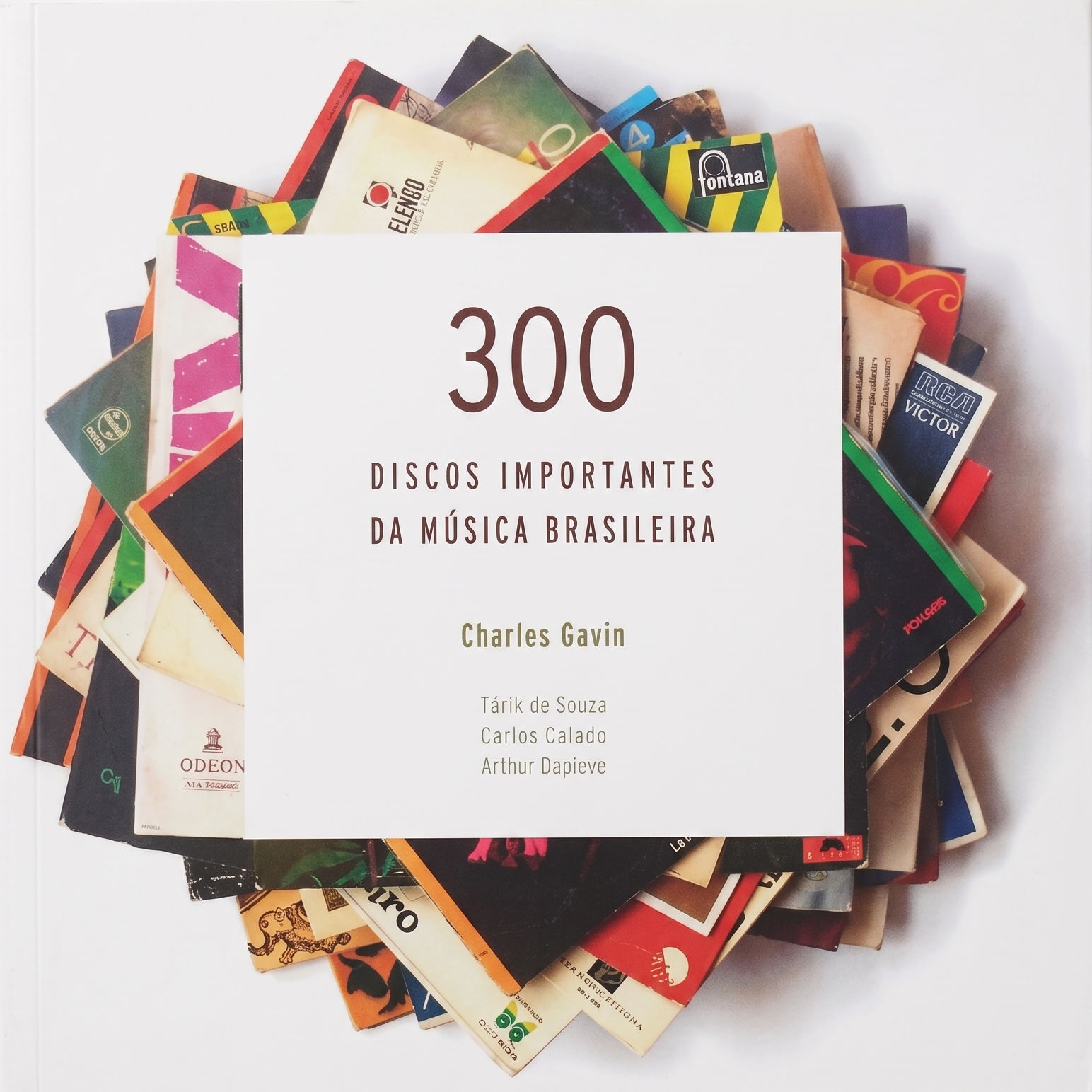
300 Discos Importantes da Música Brasileira
Charles Gavin, Tárik de Souza, Carlos Calado, Arthur Dapieve · 2008
Conceived by Titãs drummer and musical researcher Charles Gavin, the 434-page book brings together covers and reviews of albums released between 1929 and 2007. The texts were written by journalists Tárik de Souza, Arthur Dapieve and Carlos Calado.
Analyses
Coisas – Wikipedia
Wikipedia, the free encyclopaedia
Coisas – The 100 Greatest Albums of Brazilian Music
Toninho Spessoto · Rolling Stone Brasil
It featured intricate harmonies and fusions of baião, xote, and samba with jazz.
Coisas by Moacir Santos (1965) | Jazz Album | All About Jazz
allaboutjazz.com
Listen to and explore Coisas by Moacir Santos, released in 1965 on Forma. Read reviews, track listings, and discover more jazz albums on All About Jazz.
Album: Coisas. Artist/Band: Moacir Santos. Year: 1965.
staimusic.com
Review "Coisas" is a masterclass in musical fusion, expertly blending Brazilian rhythms with jazz influences. Moacir Santos' arrangements are both intricate and accessible, inviting listeners into a world where traditional sounds meet modern sensibilities. The album's lyrical themes often delve into the complexities of life and cultural identity, resonating deeply with both Brazilian and ...
Moacir Santos — Coisas
en.debaser.it
Review of Moacir Santos' album Coisas (1965). A praised, influential work of Brazilian instrumental music by composer and arranger Moacir Santos.