Ouro negro
Moacir Santos
2001
Rankings
Why This Album Matters
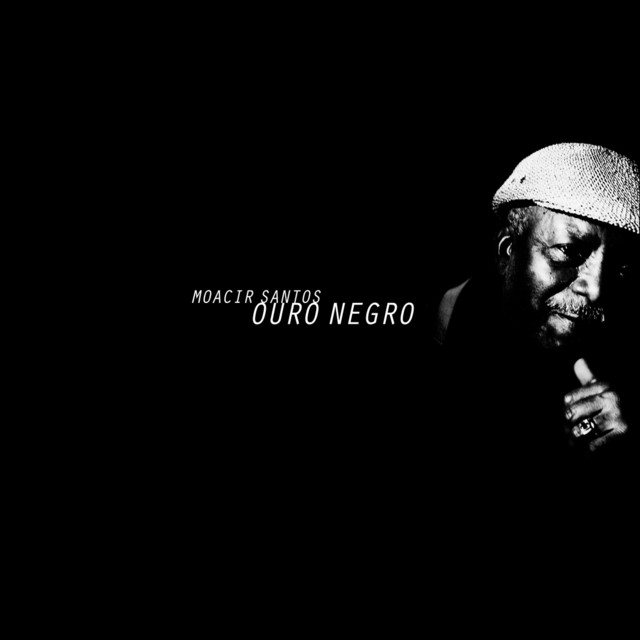
Ouro Negro, released in 2001, is an album that revisits and celebrates the vast oeuvre of maestro Moacir Santos, one of the most singular and influential names in Brazilian music. This work stands out for rekindling the Brazilian public's interest in the composer's genius, which was already internationally revered. With exquisite arrangements and a grandiose sonic aesthetic, the album is a sophisticated fusion of Afro-Brazilian rhythms, jazz, elements of Hollywood soundtracks and African references, resulting in a style that is simultaneously languid and vigorous. The album is a musical journey that offers a comprehensive view of Moacir Santos' universe, presenting his compositions with a contemporary feel, yet faithful to the essence of his creations. The melodic richness, textural diversity and rhythmic refinement make Ouro Negro a landmark, solidifying Santos' importance as an innovator who transcended genres and musical boundaries.
Context
Moacir Santos, born in Pernambuco in 1926, had a rich and multifaceted musical trajectory, beginning his career in Brazil where he became a respected maestro, teaching great names of Bossa Nova such as Nara Leão, Baden Powell and Roberto Menescal. After releasing the acclaimed album Coisas in 1965, which mixed jazz and Afro-Brazilian rhythms, he moved to the United States in 1967, where he continued his career as an arranger and composer, releasing albums for Blue Note and being nominated for a Grammy. Despite his international recognition, Moacir Santos' work was, for a large part of the Brazilian public, less accessible and known until the release of Ouro Negro. The Ouro Negro project emerged as a rescue and a tribute, bringing back to the Brazilian musical scene the depth and originality of a maestro who had spent a large part of his life in the United States, but whose music was intrinsically Brazilian. This 2001 album marks Brazil's re-encounter with one of its greatest musical treasures, presenting his work to a new generation and reaffirming his legacy.
Recording
The album Ouro Negro was meticulously produced by Mario Adnet and Zé Nogueira, with the supervision of Moacir Santos himself, who was already in his eighties at the time. The recordings took place in Rio de Janeiro, at AR Studios, in February and March 2001, resulting in a double album with 28 tracks. The production endeavoured to recreate the original arrangements of Santos' pieces, many of them dating from 1965 to 1975, requiring some lost scores to be remade. The project brought together a true 'dream team' of instrumentalists and featured a stellar cast of MPB vocalists, including Milton Nascimento, Djavan, Ed Motta, Gilberto Gil, João Bosco, João Donato and Joyce. Moacir Santos also contributed his voice to some tracks, adding a personal and emotional touch to the re-recordings of his compositions.
Songs
Ouro Negro presents a comprehensive selection of Moacir Santos' compositions, from the famous "Coisas" to other instrumental pieces and vocalised songs. Among the standout tracks is "Coisa Nº 5 - Nanã", one of his most recognisable melodies. The song lyrics, many with partners such as Nei Lopes and Aldir Blanc, complement the instrumental richness and explore varied themes that reflect the Brazilianness and universality of his work. Moacir Santos' compositional genius manifests in the density and imagination of his works. He was known for using parallel voicings in striking passages, subtle note movements to create harmonic fluidity, and for emphasising the main melodic line, often performed by multiple instruments in different registers, creating velvety textures. The album's liner notes feature the composer's own comments on each song, offering a unique perspective on the creative process.
Legacy
The release of Ouro Negro in 2001 caused a great impact in the media and among the Brazilian public, being fundamental for the country to rediscover Moacir Santos and his vast contribution to music. The album not only garnered critical acclaim, being described as a "captivating retrospective", but also propelled a new wave of influence on instrumentalists, arrangers and academic researchers. The success of Ouro Negro led to several developments, including the release of a DVD featuring a live show by Banda Ouro Negro and the album Choros & Alegria in 2005, with previously unreleased compositions by Santos from the 1940s. Furthermore, it boosted the CD re-release of the iconic album Coisas. The assertion that Ouro Negro is considered one of the 100 greatest albums in Brazilian music reflects the lasting recognition of its quality and cultural importance.
Tracks
Credits
Moacir Santos
Aldir Blanc, Clovis Mello, Moacir Santos, Mário Telles, Nei Lopes, Regina Werneck
Jorge Helder, Zeca Assumpção
Mario Adnet
Teco Cardoso
Gilberto Oliveira
Nailor Proveta Azevedo
Jurim Moreira
Bororó
Andréa Ernest Dias
Philip Doyle
Ricardo Silveira
Marcos Nimrichter
Armando Marçal
Cristóvão Bastos
Zé Nogueira
Marcelo Martins
Vittor Santos
Jessé Sadoc
Jota Moraes
Podcasts
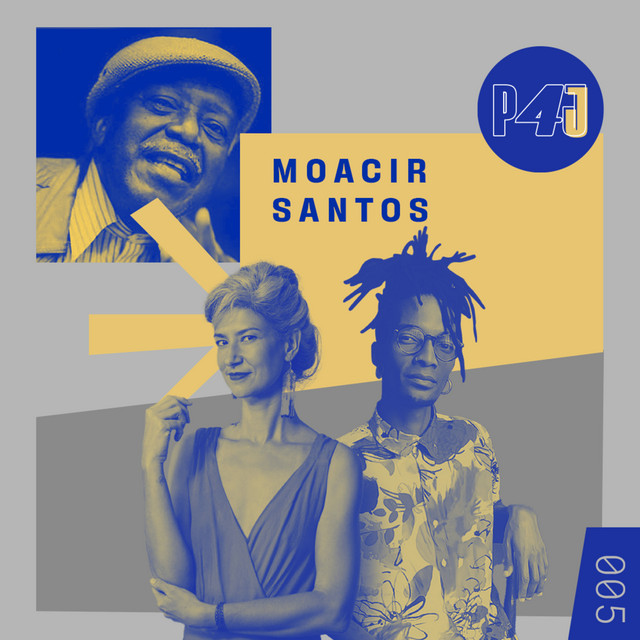
O pernambucano Moacir Santos foi um dos grandes mestres da música brasileira. Conversamos com o violonista Mário Adnet e a flautista Andrea Ernest sobre o projeto “Ouro Negro”, que ajudou a apresentar para as novas gerações de fãs da música a vida e obra do maestro.
Analyses
Cliquemusic : Disco : OURO NEGRO
cliquemusic.com.br
The only potential flaw in this double CD, produced by Mário Adnet and Zé Nogueira in reverence to Moacir Santos, is its title – being an album sponsored by Petrobrás, Ouro Negro ends up sounding like an inside joke...
Álbum Ouro Negro completa 20 anos - TV Cultura
cultura.uol.com.br
This Wednesday, the 21st, Teca Lima spoke on Estação Cultura with musician and composer, Mario Adnet, one of the producers, alongside fellow musician Zé Nogueira, of the legendary double album, "Ouro Negro", entirely dedicated to Moacir Santos' compositions.

Búzios Bossa Blog: Moacir Santos - Ouro Negro - 2001
buziosbossablog.blogspot.com
Bossa Nova isn't just music, it's a Lifestyle. A Búzios Way of Life. I don't sell records, I only promote them to friends who ask to borrow them. If you disagree with any content published on this blog, please get in touch. I own all the records I recommend here.

Oitenta e Um Blues: Moacir Santos - Ouro Negro - 2001 - Blogger
oitentaeumblues.blogspot.com
Here, he released his first album entitled Coisas, from which some of his best-known tracks emerged (such as the first track on that album, Coisa nº 5 or Nanã).
Moacir Santos: Reencontro com o Ouro Negro - Revista Continente
revistacontinente.com.br
That night, at the theatre, the audience was able to watch the Ouro Negro Band, which masterfully performed the repertoire from their eponymous album, released in 2001, which included Moacir's "Coisas".