Mora na Filosofia dos Sambas de Monsueto
Monsueto
1962

Rankings
Why This Album Matters
Released in 1962, Mora na Filosofia dos Sambas de Monsueto is a landmark in the discography of Monsueto Campos de Menezes, a multifaceted and essential figure of samba de morro. The album condenses the authenticity and poetic depth that characterised the artist's work, presenting a style that blends Carioca 'malandragem' with existential reflections. It is a work that resonates with the soul of genuine samba, laden with cadence and truth, characteristics that make it an indispensable record for understanding Brazilian popular music. The album is notable for bringing to the fore the essence of popular samba, maintaining the rich percussive tradition and the power of the 'pastoras' choirs, with Monsueto acting as the 'puxador'. Its importance lies in Monsueto's ability to translate the everyday, the joys and sorrows of the people into songs that, despite their apparent simplicity, carry profound wisdom and a philosophy of life. This album is an invitation to delve into the vibrant musicality and lyrical narratives of one of samba's great masters.
Context
Monsueto, born in Gávea and raised in the Morro do Pinto favela, in Rio de Janeiro, had a diverse artistic trajectory, working as a drummer in various bands in the 1940s, including the Orquestra de Copinha, at the Copacabana Palace Hotel. Before the release of this album, many of his compositions had already been recorded by other artists in the early 1950s, and he himself was already making appearances in films and on television in the late 50s. The release of Mora na Filosofia dos Sambas de Monsueto occurred in a Brazil celebrating its second football world championship in 1962, an effervescent period of transformations in Brazilian culture. However, the country was also experiencing a moment of political turbulence, which contrasted with the cultural effervescence and the search for a national identity reflected in the music.
Recording
The album stands out for prioritising a sound that seeks to emulate the atmosphere of a samba school inside the studio. Monsueto deliberately moved away from orchestrations and arrangements more aligned with the European school, common at the time, to incorporate a more organic formation. The recording featured the participation of thirteen 'ritmistas', in addition to the chants of 'pastorinhas', elements that reinforced the authenticity and essence of 'samba de raiz'. Monsueto himself assumed the role of 'puxador', evidencing his mastery and connection with the genre's tradition.
Songs
The title track, "Mora na Filosofia", is one of the album's and MPB's jewels, composed by Monsueto in partnership with Arnaldo Passos. The lyrics astutely address the incompatibility between love and pain, questioning the need to rhyme these contradictory feelings. Other notable sambas on the album include "Couro do Falecido", composed with Jorge de Castro, "Me Deixa Em Paz", a partnership with Airton Amorim, and "A Fonte Secou", created with Tufic Lauar and Marcléo. Monsueto's lyrics frequently narrate stories of Rio de Janeiro, its joys and struggles, with an inexhaustible capacity to reinvent itself, using samba as a supreme expression of an ancestry that transforms chaos into hope.
Legacy
Despite his relevance, Monsueto's popularity waned for a time, but he was "rediscovered" in the late 1960s. This rediscovery was driven by Maria Bethânia, who recorded "Mora na Filosofia", and later by Caetano Veloso, who included a version of the same song on his album Transa, in 1972, with arrangements by Jards Macalé, consolidating it as one of the most beautiful sambas in the history of Brazilian popular music. Monsueto's compositions, such as "Me Deixa Em Paz", were also recorded on legendary albums like Clube da Esquina by Milton Nascimento. The album Mora na Filosofia dos Sambas de Monsueto is considered an important work of MPB and features in book selections about relevant Brazilian music albums.
Tracks
Credits
Ismael Corrêa
Books
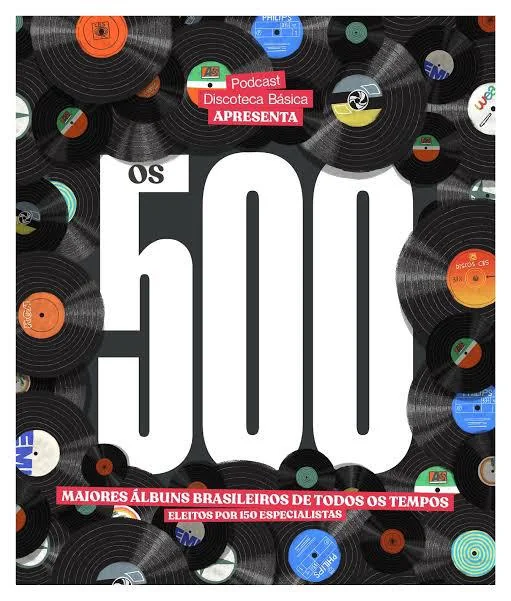
Os 500 Maiores Álbuns Brasileiros de Todos os Tempos
Ricardo Alexandre · 2022
The largest Brazilian music election ever conducted: 162 specialists, spanning journalists, critics, musicians, producers and podcasters, each nominated 50 essential albums, supported by a masterlist of more than 2,000 works. Led by Ricardo Alexandre with tabulation by Sérgio Jomori, it was published in December 2022 as a 200-page hardcover book with graphic design by Fernando Pires.
Álbum 1 - 1950 a 1972
Pedro Alexandre Sanches · 2021
This is the first work in a series that seeks to tell the story of Brazilian music through its albums, covering the period from 1950 to 1972. Written by journalist and music critic Pedro Alexandre Sanches, the book revisits and analyses landmark albums that shaped the experience of different generations, being a valuable resource for understanding the context and importance of albums released during that era, such as Monsueto's.

300 Discos Importantes da Música Brasileira
Charles Gavin, Tárik de Souza, Carlos Calado, Arthur Dapieve · 2008
Conceived by Titãs drummer and musical researcher Charles Gavin, the 434-page book brings together covers and reviews of albums released between 1929 and 2007. The texts were written by journalists Tárik de Souza, Arthur Dapieve and Carlos Calado.
Analyses
Cliquemusic : Disco : MORA NA FILOSOFIA DOS SAMBAS DE MONSUETO
cliquemusic.com.br
Copacabana de tal (Monsueto Menezes) Este samba tem parada (Monsueto Menezes) Água e azeite (Monsueto Menezes-Estanislau Silva) Na menina dos meus olhos (Monsueto Menezes-Flora Mattos) Lamento da lavadeira (Monsueto Menezes-Nilo Chagas-João Violão) Na casa de Antônio Job (Monsueto Menezes-Venâncio) No molhado (Monsueto Menezes-José Batista)
Rádio Batuta | Monsueto mora na filosofia
radiobatuta.ims.com.br
The first songs composed by Rio native Monsueto Campos de Menezes in the 1950s were all dedicated to enlivening revellers during carnival days, with titles such as "Mora na filosofia" and "Me deixa em paz".

Monsueto Menezes - Mora na Filosofia dos Sambas de Monsueto (1962)
saqueandoacidade.blogspot.com
Standing one metre eighty tall and with unquestionable good humour, he gained fame as a comedian in sketches on radio and TV programmes, acted in 17 films (both national and foreign), and, at the end of his short life, also earned respect as a primitivist painter.