O Último Malandro
Moreira da Silva
1958
Rankings
Why This Album Matters
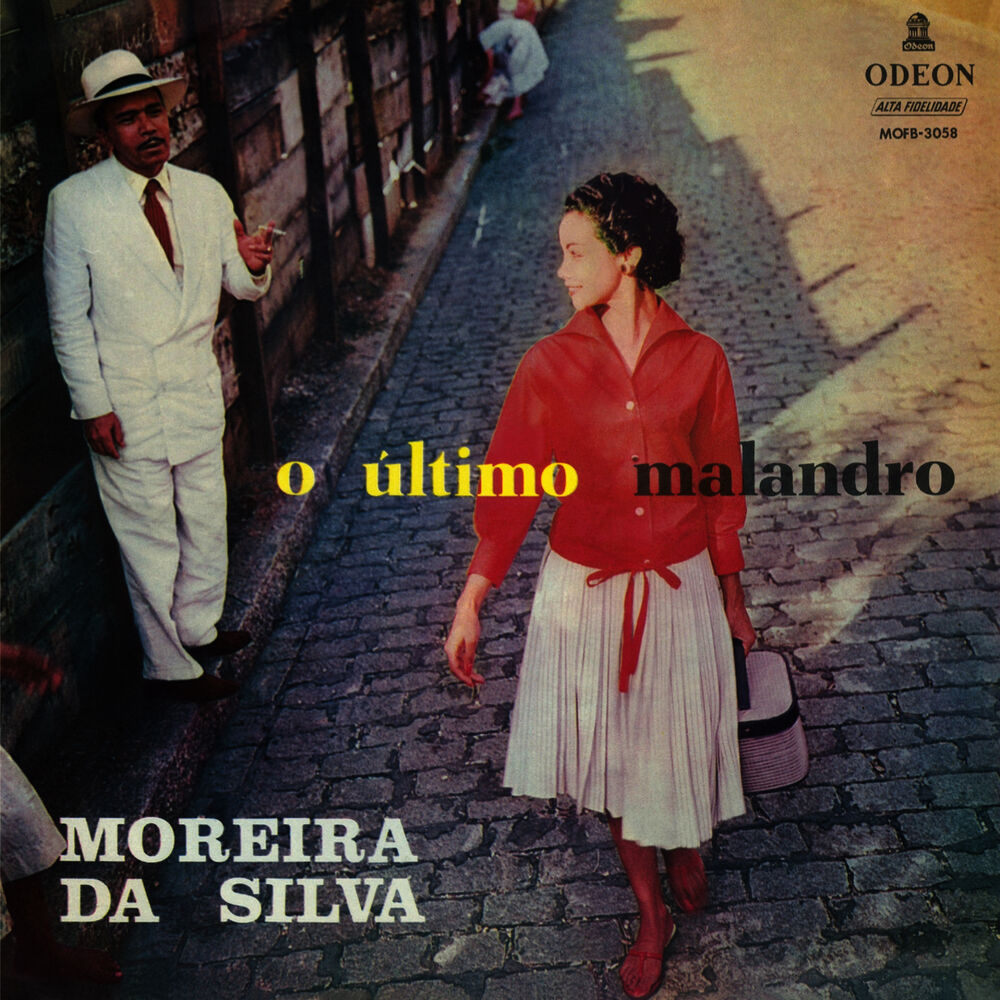
O Último Malandro, released in 1958, represents one of the definitive milestones in the career of sambista Moreira da Silva and is a quintessential example of samba-de-breque. The album highlights the artist's unmistakable vocal style, characterised by his engaging narrative and instrumental pauses skilfully filled with rapid, spoken verses, which bring carioca daily life stories to life. This work is a true musical chronicle of malandragem and life in the 'morros' (hills) and 'botequins' (bars) of Rio de Janeiro, with Moreira da Silva embodying the persona of "Kid Morengueira". His ability to weave hilarious stories, often with themes such as gambling, women, and situations from the carioca underworld, elevated the genre to a level of narrative art within Brazilian popular music. The album is a window into the essence of samba-de-breque and the creative genius of one of the greatest storytellers in our music.
Context
Moreira da Silva, born in 1902, already had a consolidated artistic trajectory when O Último Malandro was released. He began his musical career in 1931 and, after some years of effort, gained notoriety as the main architect of samba-de-breque. The 1930s and 1940s were crucial for his projection on radio, where he honed his unique style of narrating and interpreting songs. In 1958, Moreira da Silva was already a respected name, known for his elegance and for the figure of the 'malandro who walked the line', using a white suit and a Panama hat as his trademark. The album arrived at a moment when his artistic identity was fully formed, further consolidating his image as the "last malandro" of carioca samba.
Recording
The album O Último Malandro was originally released in 1958 in LP format by the Odeon/EMI record label. Although specific details about the recording studio or producers of the time are not available in all sources, Odeon was one of Brazil's leading record labels, known for housing great names in national music. Subsequently, the album was re-edited on CD in 2003 as part of the series "Odeon 100 Anos de Música no Brasil", under the supervision of Charles Gavin. However, the technical specifications of this CD edition do not provide credits to the musicians who participated in the original recording, which is common practice for re-editions of older works.
Songs
O Último Malandro features twelve tracks which are true musical tales, full of Moreira da Silva's characteristic wit and humour. Among the songs, "Que Barbada", "Amigo Urso", "Vara Criminal", "Olha o Padilha", "Dormi no Molhado", "Dona História Com Licença", "Jogando Com o Capeta", "Acertei no Milhar", "Na Subida do Morro", "Averiguações", "Esta Noite Eu Tive Um Sonho", and "Chang-Lang" stand out. "Acertei no Milhar" is particularly notable, being a classic by Wilson Batista and Geraldo Pereira that Moreira da Silva had already recorded on 78 RPM much earlier, in 1940, and which became emblematic of his interpretive style. The lyrics, often composed by Moreira da Silva himself in partnership with other lyricists such as Ribeiro Cunha and Wilson Batista, vividly and humorously address the adventures and life philosophy of the 'malandro', using the samba-de-breque structure to create a unique dialogue between melody and spoken narrative.
Legacy
O Último Malandro solidified Moreira da Silva's image as the great master of samba-de-breque and an incomparable chronicler of carioca malandragem. The album, along with other early works by the artist, was re-released in a CD box set titled "O Último Malandro" in 2011 by the Discobertas label, demonstrating recognition of its historical and musical importance. Although specific data on initial sales or awards directly related to the 1958 album is scarce, its enduring presence in the Brazilian music catalogue and subsequent re-edition attest to its value. On platforms such as Discogs, the album maintains an average rating of 4.7 out of 5 stars based on twenty reviews, reflecting the continued appreciation of the public and collectors for the work. The persona of "O Último Malandro" became synonymous with Moreira da Silva himself, a legacy that consolidated him as an iconic and influential figure in Brazilian Popular Music.
Tracks
Books
Moreira da Silva - O último dos malandros
Alexandre Augusto · 2014
The result of three years of research and interviews, 'Moreira da Silva – O Último dos Malandros' is a comprehensive and moving biography about the life of one of Brazil's most interesting popular personalities of the 20th century, Moreira da Silva. The book covers his artistic and personal trajectory, being fundamental for understanding the 'malandro' persona in Brazilian music, of which the album 'O Último Malandro' is an exponent.
300 Discos Importantes da Música Brasileira
Charles Gavin, Tárik de Souza, Carlos Calado, Arthur Dapieve · 2008
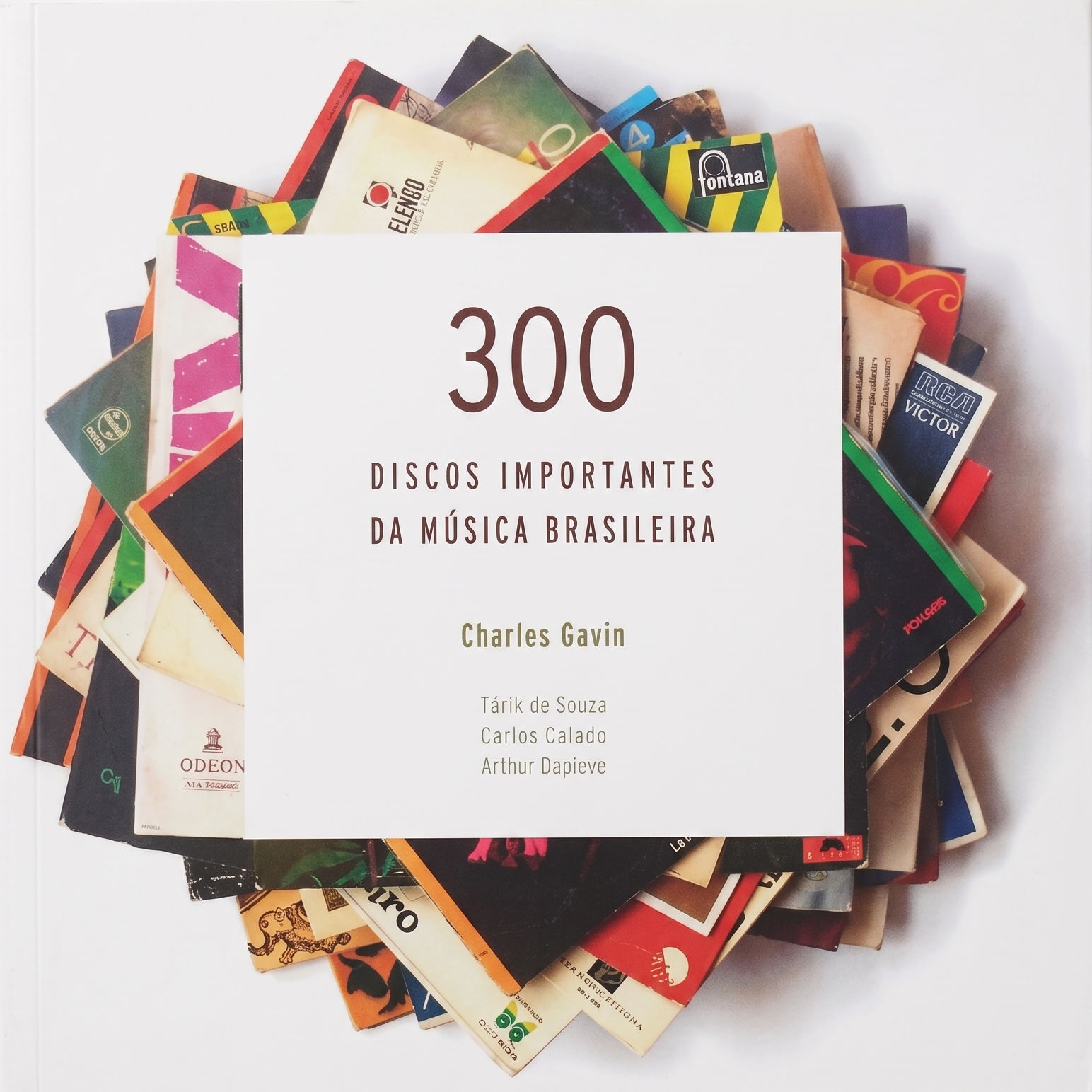
Conceived by Titãs drummer and musical researcher Charles Gavin, the 434-page book brings together covers and reviews of albums released between 1929 and 2007. The texts were written by journalists Tárik de Souza, Arthur Dapieve and Carlos Calado.
Analyses

Moreira da Silva - O Ultimo Malandro (1958)
parallelrealitiesmusic.blogspot.com
9.10.20 Moreira da Silva - O Ultimo Malandro (1958) Odeon MOFB 3058 Now something completely different: Presenting Moreira da Silva with a career album for the fist time on Parallel Realities:

Moreira da Silva - O Último Malandro (1958) - Blogger
osbrutostambemouvem.blogspot.com
From 1938 until the mid-1950s, the sambista recorded some of the most important songs of his career. The main ones were compiled on this album, "O Último Malandro", from 1958. Amidst batucada and wind instruments, the album is dominated by Moreira's voice, who sings as if conversing with a friend.

Sinister Vinyl Collection: Moreira Da Silva - O Último Malandro (1958)
sinistersaladmusikal.wordpress.com
LikeLoading... This entry was published in * 💥 Sinister Vinyl Collection, Moreira da Silva by Marco Antonio Gonçalves. Permalink.
Moreira da Silva - O Último Malandro - Forró em Vinil
forroemvinil.com
To download this album, click here. If you are having difficulty downloading and unzipping the files, consult our "step-by-step" manual, click here.