Cicatrizes
MPB4
1972
Rankings
Why This Album Matters
Released in 1972, Cicatrizes represents a moment of notable maturity and sophistication for MPB4. The album stands out for the complexity and refinement of its instrumental and vocal arrangements, especially those conceived by Magro Waghabi. The work is a testament to the group's ability to explore the harmonic and melodic richness of Brazilian popular music. Cicatrizes solidified MPB4's sonic identity, revealing a cohesive and innovative sound within the music scene of the era, and deserves attention for its high artistic quality and the depth of its execution.
Context
The 1970s marked the creative peak of MPB4, but also a period of great tension with the military dictatorship in Brazil. The group's previous association with the Popular Culture Centre (CPC) of the National Union of Students (UNE) and their deep connection to the work of Chico Buarque, who was in self-exile, placed them under the constant scrutiny of censors. Despite the political siege, MPB4's discographic output was acclaimed. The 1970 album Deixa Estar had been a landmark in the group's artistic emancipation from Chico Buarque, paving the way for the expressiveness found in Cicatrizes.
Legacy
Critically acclaimed, Cicatrizes earned MPB4 the prestigious Best Vocal Group award granted by the São Paulo Association of Art Critics (APCA) in 1972. This recognition solidified the group's reputation as one of the most important in the Brazilian music scene, highlighting the excellence of their arrangements and vocal performances.
Tracks
Credits
Luiz Claudio Ramos
Magro
Miltinho
Roberto Menescal
Mazzola
Dino 7 Cordas
Tom E Dito
Alex Malheiros
Mamão
Zé Menezes
José Roberto Bertrami, Magro
Joaquim Figueira
Ary Carvalhaes, Luigi Hoffer
Aldo Luiz
Estampa (Gaúcho)
Books
Analyses
Álbum político do MPB4 em 1972, 'Cicatrizes' expõe feridas ... - G1
g1.globo.com
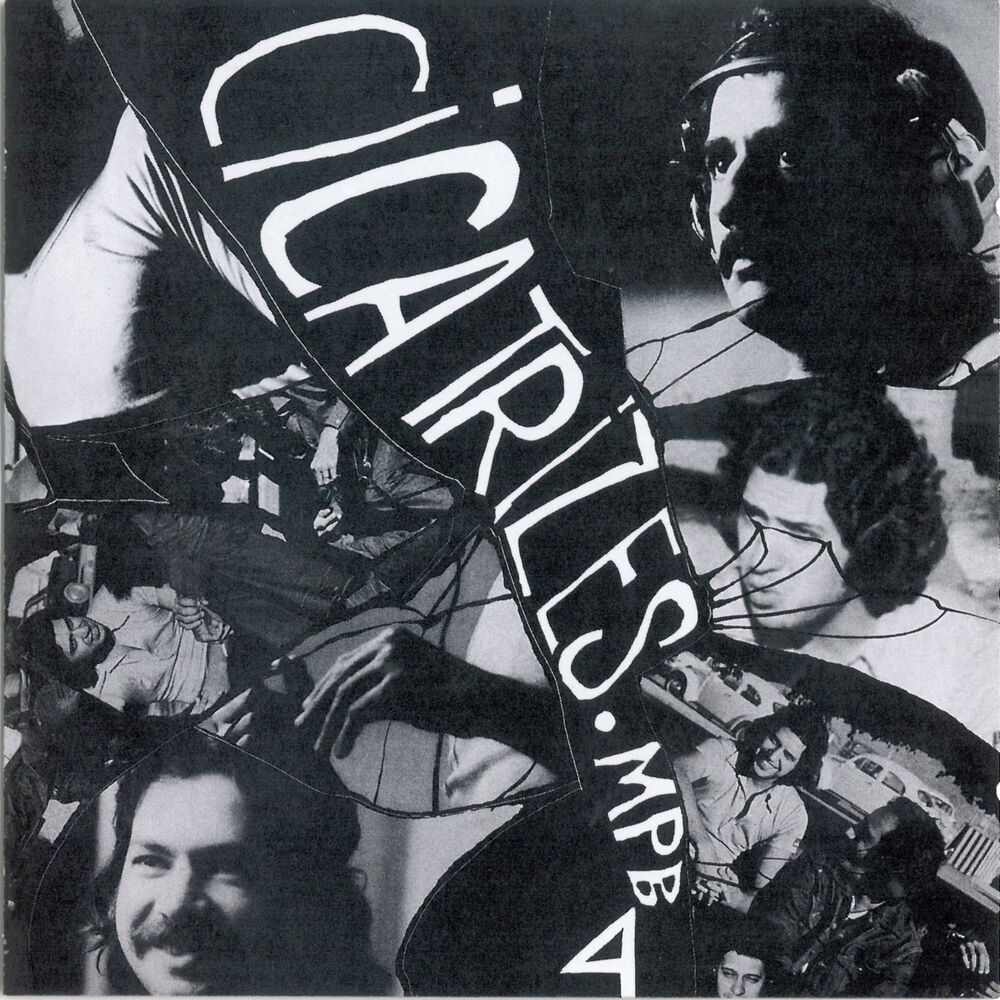
From this phase, MPB4's seventh album - Cicatrizes, released in 1972 by Philips record label, with a cover created by Aldo Luiz from images by the photographer known as Gaúcho - is considered by the public and the group themselves to be the most important due to the political tone of most of its notable repertoire.

Álbum político do MPB4 em 1972, 'Cicatrizes' expõe feridas ainda ...
popeartebrasil.wordpress.com
A novelty from Dorival Caymmi's songbook (1914 - 2008), Canto de Nanã (1972) has a mantra-like effect in MPB4's recording on this impeccable album, which stands the test of time well, after 50 years, not least because Brazil's wounds, which already seemed healed, are unfortunately reopened.

Criatura de Sebo: Cicatrizes - 1972 - MPB4 - Blogger
criaturadesebo.blogspot.com
This 1972 LP is marked by several songs that set the tone of the country's political moment, when many defenders of democracy were being arrested, tortured, and killed. The song "Pesadelo" is exemplary, a sign of the times, which, unfortunately, are still present today.
Rádio Music Mania - Álbum político do MPB4 em 1972,
musicmania.vocenoar.com
From this phase, MPB4's seventh album - Cicatrizes, released in 1972 by Philips record label, with a cover created by Aldo Luiz from images by the photographer known as Gaúcho - is considered by the public and the group themselves to be the most important due to the political tone of most of its notable repertoire.

MUSICA&SOM: 1972 - MPB4 - Cicatrizes
tabernanovostempos.blogspot.com
01 - Agiborê (Tom / Dito)02 - O Navegante (Sidney Miller)03 - San Vicente (Milton Nascimento / Fernando Brant)04 - Desalento (Maurício Tapajós / Hermínio Bello de Carvalho)05 - Viva Zapátria (Sirlan / Murilo Antunes)06 - Cicatrizes (Miltinho "MPB-4" / Paulo César Pinheiro)07 - Partido Alto (Chico Buarque)08 - Bom Dia Boa Tarde Boa ...