Carnaval na Obra
Mundo Livre S/A
1998
Rankings
Why This Album Matters
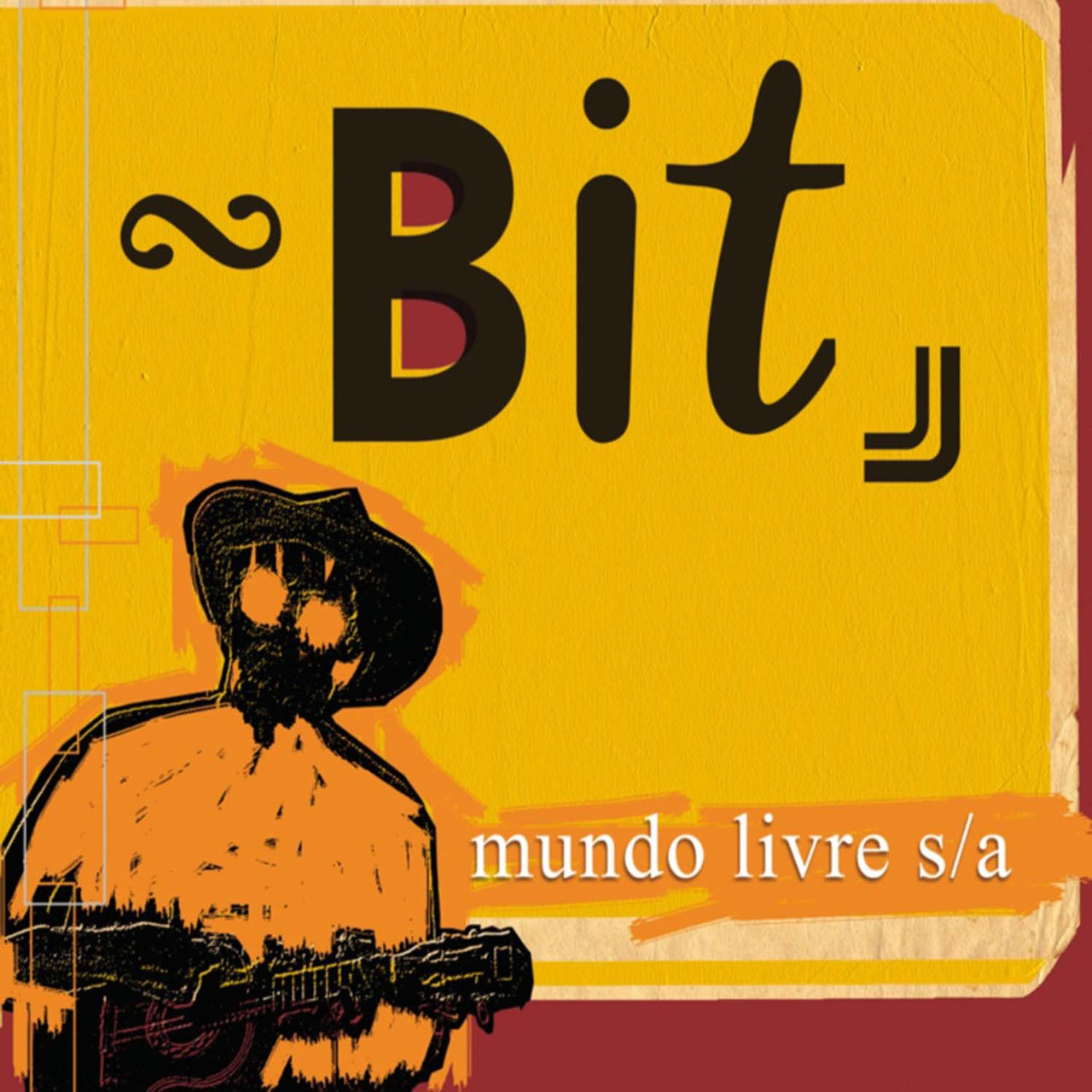
Carnaval na Obra, released in 1998 by Mundo Livre S/A, is a singular milestone in the band's discography and in the history of manguebeat. This album represents a return by the group to the experimentalism that characterised their debut work, Samba Esquema Noise, but with an even more sophisticated fusion of elements. It stands out for its skilful combination of regional Brazilian rhythms, such as maracatu and forró, with guitar riffs and electronic beats, creating a sound that is both primitive and ultra-modern. The album is a celebration of musical neo-anthropophagy, where diverse influences are digested and reinvented. The band's touring experience, especially their time in Mexico, brought new Afro-Caribbean references to their music, broadening the manguebeat's sonic spectrum. Electronics, in particular, are used not merely as an effect, but as a fundamental instrument, an additional tool in the construction of complex and fluid soundscapes. Carnaval na Obra deserves attention for its audacity in transitioning between different genres, incorporating everything from Jorge Ben Jor's samba to rock. It is a work that solidified Mundo Livre S/A's position as one of the pillars of the manguebeat movement, maintaining the performing power of the stage and the richness of a deeply developed studio work.

Carnaval na Obra is a perfect collection of groovy hits.
Pablo Miyazawa · Rolling Stone Brasil
Context
The release of Carnaval na Obra in 1998 occurred during a period of transition for the manguebeat movement. The previous year, the Brazilian music scene had suffered the loss of Chico Science, one of the leaders and greatest exponents of manguebeat alongside Mundo Livre S/A. Despite this moment of mourning and uncertainty, the band moved forward, reaffirming its commitment to musical innovation. This album also marked the first time the group recorded without the participation of percussionist Otto, who had collaborated on the two previous albums, Samba Esquema Noise (1994) and Guentando a Ôia (1996), and who, in the same year of 1998, would release his successful solo album, Samba pra Burro. Mundo Livre S/A, in turn, seized the opportunity to explore new directions, incorporating the experiences of a recent tour through Mexico, which resulted in Afro-Caribbean cultural influences, and a deepening of their electronic sound.
Recording
Carnaval na Obra was an album conceived at a moment of enchantment with new recording technologies. Vocalist Fred Zero Quatro highlighted the transition from analogue to digital as a significant process, which provided a considerable reduction in costs and, more importantly, unprecedented freedom in terms of channels and sonic horizons. The album was shaped by a team of four prominent producers in the national pop scene: Apollo 9, Carlos Eduardo Miranda, Eduardo BiD and Edu K. They divided themselves among the 14 tracks of the album, which, according to Fred Zero Quatro, made the history of sonic diversity, already a characteristic of the band, even more notable. The decision to invite these friends for production reflected a budget that allowed such collaboration, resulting in what was one of the first Brazilian albums produced by 'eight hands'. The album's recording took place in 1997, but its release only happened in 1998, due to distribution issues. Initially, the album was to be released by Excelente Records, which had distributed the band's previous work, but it ended up being a partnership with the newly founded Abril Music, which would become a powerhouse in the phonographic market.
Songs
The fourteen tracks on Carnaval na Obra reflect the diversity and experimentalism proposed by the band. Songs like "Alice Williams", "Bolo de Ameixa", "Quem Tem Bit Tem Tudo", "A Expressão Exata", "Maroca" and "O Africano e o Ariano" are frequently cited as album highlights and remain relevant in the group's repertoire. The album's lyrics, often penned by Fred Zero Quatro, explore themes of cultural mixing and social critiques. The track "O Africano e o Ariano" is a symbolic example, questioning mutual ignorance between different cultures. In "Ultrapassado", the band demonstrates its ability to reinterpret traditional genres, such as choro and samba de morro, applying electronic production that lends them a modern, almost lounge-like fluidity. The compositions are permeated by samba-oriented arrangements, yet consistently seasoned with the band's characteristic electronic sound, a result of renewed experimentalism and newly acquired references. The lyrics are intelligent and provocative, as is peculiar to Mundo Livre S/A's style, addressing the crab-man theme and denouncing misery, but now with an expanded outlook on other cultures.
Legacy
Carnaval na Obra solidified Mundo Livre S/A's status as one of the founding and most important groups of the manguebeat movement. Recognised for its innovation, the album was awarded by the São Paulo Association of Art Critics (APCA) as Best Group in the year of its release. The album is considered one of the pillars of the movement and, to this day, serves as a reference for new generations of Brazilian musicians. Twenty years after its original release, in 2018, Carnaval na Obra was re-released for the first time on 180-gram double vinyl by Polysom, as part of the "Clássicos em Vinil" series, a testament to its relevance and the continuous demand for this seminal work. This re-edition allowed new audiences to access the album in physical format and underscored its lasting impact on Brazilian pop music. The album not only maintained the relevance of the band's established songs, but also introduced new tracks that became lasting successes in their repertoire. Its approach of mixing the 'primitive and the ultra-modern' and the fusion of regional elements with global trends continue to inspire and shape the sound of diverse artists in contemporary Brazilian music.
Tracks
Videos
Playlist nº. 89 - Carnaval na Obra (1998) - Mundo Livre S.A. (Análise Musical)
Playlist Sonora
Books
Analyses
Carnaval na Obra – The 100 Greatest Albums of Brazilian Music
Pablo Miyazawa · Rolling Stone Brasil
Carnaval na Obra is a perfect collection of groovy hits.

Quem Tem Bit Tem Tudo: O Carnaval na Obra do Mundo Livre S/A
submundodos.blogspot.com
The album Carnaval na Obra reinforced what we already knew, that Mundo Livre S/A is one of the country's best bands, especially in that second half of the 1990s and without receiving the same appreciation as other groups from that same period.
Cliquemusic : Disco : CARNAVAL NA OBRA
cliquemusic.com.br
mundo livre s/a (1998) 1998 Excelente Discos/Abril Music 1007001 Tracks 1 Alice Williams (Xef, Zero Quatro, Tony) 2 Édipo, o homem que virou veículo (Zero Quatro) 3 Bolo de ameixa (Xico Sá, Zero Quatro, Mundo Livre S/A) 4 A expressão exata (Zero Quatro, Mundo Livre S/A) 5 Carnaval na obra (Edu K, Zero Quatro, Mundo Livre S/A)
Mundo Livre S/A - Carnaval Na Obra (1998)
musicasdonordeste.net
Carnaval na Obra is a record of small adaptations for Mundo Livre S/A. The Pernambucan group's third studio album is an extension of their first two albums within a new melodic and complex alignment.
Mundo Livre S/A - Carnaval Na Obra - Ouvir todas as 14 músicas
ouvirmusica.com.br
Come and listen to "Alice Willians", "Édipo, O Homem Que Virou Veículo", "Bolo De Ameixa" and many other songs from the album Mundo Livre S/A - Carnaval Na Obra!