Opinião de Nara
Nara Leão
1964
Rankings
Why This Album Matters
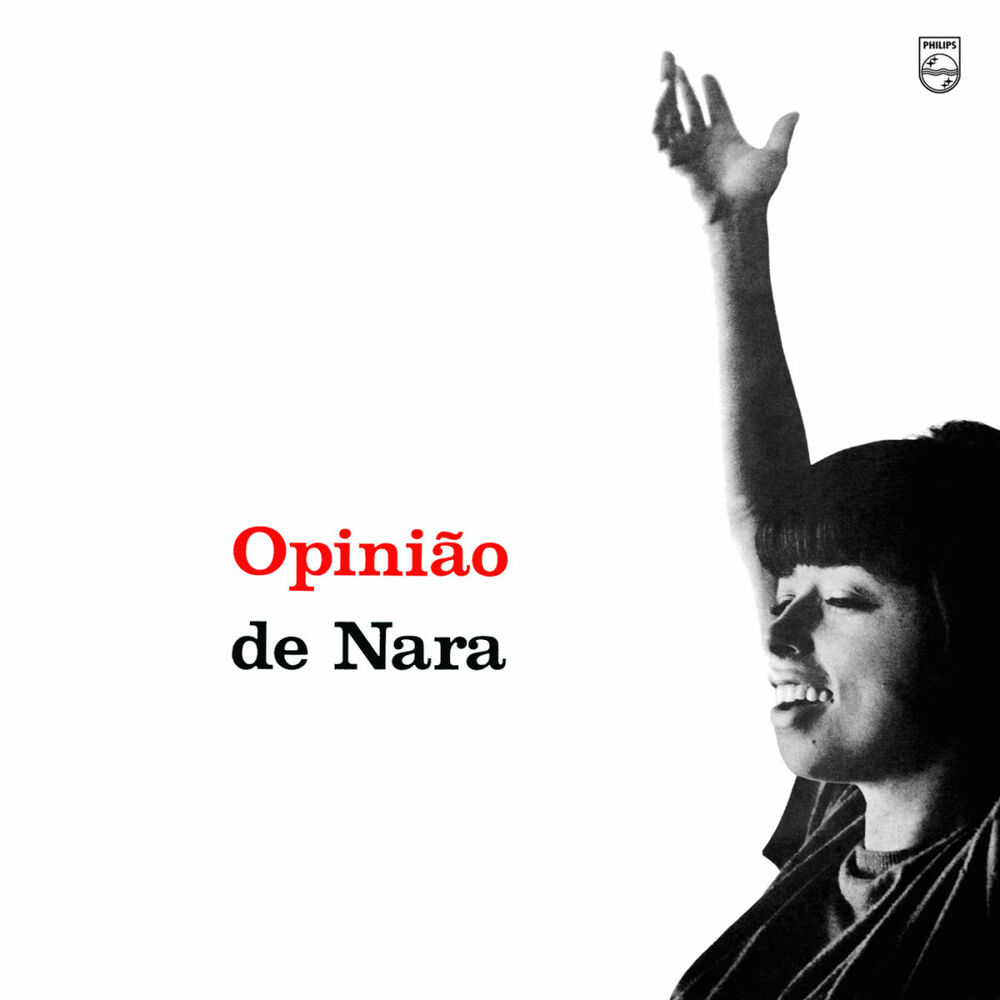
Opinião de Nara, released in 1964, is a seminal album in Nara Leão's discography and a milestone in Brazilian music. Moving away from her image as the "muse of Bossa Nova", Nara adopts a posture of social and political engagement in this work, presenting a repertoire that delves deep into the roots of Brazilian popular song. The album is an audacious fusion of hill samba, Afro-sambas, capoeira chants and rural songs, revealing an artist interested in giving voice to genuine musical expressions of the Brazilian people. This sonic and thematic shift was a watershed moment, not only for Nara's career but for the musical landscape of the time, demonstrating that popular song could go beyond mere distraction and delight, serving as a tool for reflection and understanding of the world. With a more "direct and powerful" sound compared to her previous works, the album emerges as a musical response to the political context of the period. It highlights Nara Leão's versatility and courage in exploring new languages and taking an artistic stand regarding events in Brazil.
Context
Released in November 1964, Opinião de Nara emerged at a time of profound transformations in Brazil, shortly after the military coup of 31st March of that year. The singer, who had been a central figure in the emergence of Bossa Nova, with her apartment on Avenida Atlântica serving as a meeting point for musicians like Vinicius de Moraes, Roberto Menescal and Carlos Lyra, was undergoing an artistic transition. Nara Leão had already been developing a movement with Carlos Lyra to revive sambas by popular composers such as Zé Kéti, Nelson Cavaquinho and Cartola, who were connected to the samba schools. This album reflects this new direction, moving away from the sophistication of the South Zone to embrace more popular and socially engaged themes and rhythms, in a clear counterpoint to the climate of censorship and persecution imposed by the newly installed dictatorship.
Recording
The album was produced by Armando Pittigliani for the Philips record label. Nara Leão had an active participation in the album's conception, being credited by some as practically producing her own albums at the time. Curiously, there are reports that Nara had disagreements with Pittigliani during the recordings, complaining that he was reading a newspaper while she sang. Despite the initial LP credits not listing musicians and arrangers, later editions and analyses point to the participation of major names. The band that accompanied Nara during the recordings included giants such as Edison Machado on drums, Erlon Chaves on piano and Tião Neto on bass. The production sought a minimalist, yet sophisticated sound, combining guitar and percussion with orchestrations. The suggestion to open the title track "Opinião" with a drum roll, alluding to the harsh times of the dictatorship, came from filmmaker Glauber Rocha, powerfully executed by Edison Machado.
Songs
The repertoire of Opinião de Nara is a careful selection of songs that express resistance and celebrate Brazilian popular culture. The opening track, which gives the album its title, "Opinião", by Zé Kéti, is a protest anthem whose verses directly challenge the military dictatorship: "Podem me prender, podem me bater / Podem até deixar-me sem comer / Que eu não mudo de opinião" (They can arrest me, they can beat me / They can even leave me without food / But I won't change my opinion). This song became a symbol of the struggle against political oppression and the affirmation of identity, celebrating the pride of belonging to the favela and resilience in the face of adversity. The album presents a diversity of styles and composers, with sambas by Zé Kéti and Nelson Cavaquinho, Afro-sambas by Baden Powell and Vinicius de Moraes, and baiões by João do Vale. Nara Leão also included an old marchinha from 1941, a habit she maintained on her LPs. Songs like "Acender as Velas", "Derradeira Primavera", "Berimbau (Ritmo de Capoeira)" and "Sina de Caboclo" demonstrate the breadth of her musical research and her interest in presenting "the Brazil of the favela, the Northeast and Afro-Brazilian culture". The lyrics, sometimes with double meanings, reflect the real problems of Brazilian society during that period.
Legacy
The impact of Opinião de Nara was immediate and profound, solidifying the album as a landmark of Brazilian cultural resistance. Considered a "shocking album" by Ruy Castro, it "split bossa nova" and solidified Nara Leão's shift towards protest music and social engagement. In April 1965, the track "Opinião" was already the fourth most requested song on radio stations in Rio and São Paulo, demonstrating its strong popular repercussions. The album's success inspired the emergence of the iconic "Show Opinião", which premiered in December 1964 at the Teatro Arena, in Rio de Janeiro. The show, which brought together Nara Leão, Zé Kéti and João do Vale, was one of the first major artistic manifestations of defiance against the military dictatorship and became a powerful symbol of protest. The album and the show were crucial for revealing new talents, such as Maria Bethânia, who replaced Nara on stage at her recommendation, beginning her own successful trajectory. Opinião de Nara continues to be revered as a cornerstone of MPB, with re-releases and reissues attesting to its continuous importance. Its influence is perceived in the way it paved the way for other artists to use music as a tool for criticism and awareness, echoing strongly even decades after its release.
Tracks
Credits
Armando Pittigliani
Sylvio Rabello
Joaquim Figueira, Rogerio Gauss
Nara Leão
Jânio De Freitas
Films


Books
Analyses
Nara Leão: Nara - 1964 - LiteraturaBr
literaturabr.com
Filled with parallel stories and unforgettable characters, the narrative of Nara Leão: Nara - 1964 highlights how the LP was able to capture the zeitgeist, the spirit of that era, to produce a definitive and timeless work.
NRC apresenta "Opinião de Nara" (1964), de Nara Leão - NOIZE
noize.com.br
A landmark in the history of Brazilian music, Opinião de Nara (1964) was a pioneering and courageous album, which anticipated and paved the way for popular song's engagement against Brazil's recently implemented military dictatorship.
Opinião - Memorias da Ditadura
memoriasdaditadura.org.br
Premiering just eight months after the military coup, the show is a landmark of protest song and artistic resistance to the dictatorship, establishing Nara Leão as one of the main voices of her generation.
Nara Leão tem disco de estreia analisado em livro, obra de samba e ...
agazeta.com.br
When she released the inaugural "Nara" in February 1964, she was only 22 years old. The historic album, which marked what would become known as Brazilian popular music, MPB, has its story told in the book "Nara Leão: Nara - 1964", by journalist, music critic, and writer Hugo Sukman.
Nara Leão "Nara" (1964) - Gira-Discos
giradiscos.me
Released in 1964, Nara Leão's debut album reflected a change in habits and objectives in the singer's life and work and paved the way for greater changes in the landscape of Brazilian popular music.