Nelson Cavaquinho
Nelson Cavaquinho
1973

Rankings
Why This Album Matters
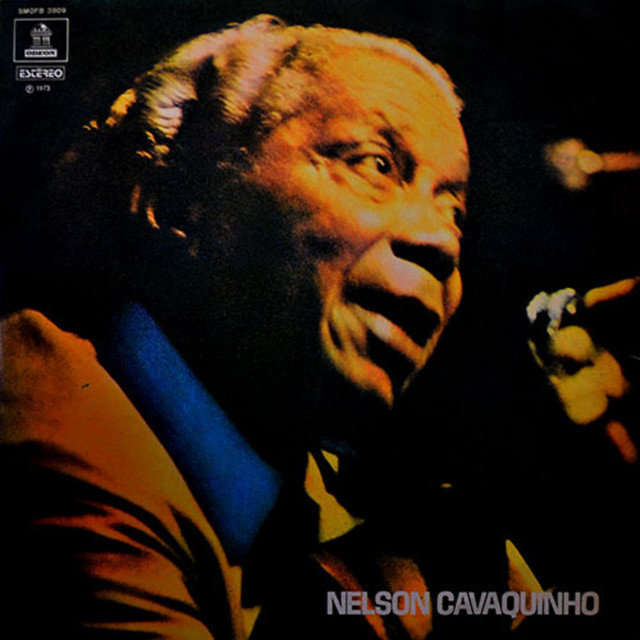
The album Nelson Cavaquinho, released in 1973, is an essential gem in the discography of the samba master and in Brazilian popular music as a whole. Considered his third solo work, it brings together some of the artist's most significant and timeless compositions, many of which were already celebrated by other performers, but which gain a unique depth in the husky voice and peculiar guitar playing of the author himself. This record is a fundamental register of the essence of Nelson Cavaquinho, a composer who, with simplicity and lyricism, addressed themes such as life, death, love, saudade, and bohemia. His music, often melancholic and resigned, is a poetic portrayal of the soul's pains and the transience of existence, elements that are masterfully manifested in this work. The album stands out for presenting the artist at the peak of his creative and expressive maturity.

On this album, Nelson records for the first time accompanying himself on the cavaquinho, an instrument he had abandoned in favour of the guitar, and which he only returned to playing because a drunk man present at his show at Teatro Opinião challenged him: "Aren't you Nelson Cavaquinho? Then play!"
Marcus Preto · Rolling Stone Brasil
Context
Born in 1911, Nelson Antônio da Silva, or Nelson Cavaquinho, had a life trajectory marked by a singular dedication to music, often on the fringes of massive commercial recognition. Before consolidating his phonographic career in the 1970s, he was already a legendary figure in Rio samba, especially in Mangueira, where he met and collaborated with great names such as Cartola and Carlos Cachaça. However, Nelson was better known as a composer, with many of his songs recorded by other artists since the 1940s. Although his first song was recorded in 1939, and he was part of a collective album in 1968, his first solo albums were only released in the 1970s, with Depoimento do Poeta (1970) and a self-titled record by RCA in 1972. Thus, the release of Nelson Cavaquinho by Odeon in 1973 found him at 62 years old, in a period of greater recognition for his work and his role as an interpreter of his own songbook.
Recording
The album was released by the Odeon label in 1973 and was produced by João Carlos Botezelli, known as Pelão. This record is notable for marking the first time that Nelson Cavaquinho, at 62 years old, played the instrument that gave him his nickname on one of his solo albums, on the song "Caminhando", momentarily abandoning the guitar which he had chosen in his maturity. An interesting fact about the recording is that the album supposedly includes new recordings of the sambista's classics. Although there was no detailed information about the musicians' credits on the original LP, which was common at the time, the album's sound is praised for its quality, with a deep, dry, and balanced stereo sound. There are reports that records from that period, recorded on up to 8 channels, possessed an "absurd sound quality", evidencing the competence of the Brazilian phonographic industry of the time.
Songs
The repertoire of Nelson Cavaquinho from 1973 is a true pantheon of classics, bringing together some of his most celebrated works. Among the standout tracks are "Juízo Final", "Folhas Secas", "A Flor e o Espinho", "Rugas", and "Quando Eu Me Chamar Saudade". "Juízo Final", a partnership with Élcio Soares, is a hymn of hope and resistance, especially significant during the context of the Military Dictatorship, with the verse "O Sol há de brilhar mais uma vez" functioning as a symbol of faith. Meanwhile, "Folhas Secas", composed with Guilherme de Brito, is a profound reflection on the passage of time, nostalgia, and saudade, using the metaphor of fallen mango tree leaves to evoke the life and memories of Rio samba. "A Flor e o Espinho", another anthological partnership with Guilherme de Brito and Alcides Caminha, explores the duality between love and pain. The album also features a "Potpourri" with the special participation of Guilherme de Brito, bringing together other notable sambas such as "Se Eu Sorrir" and "Pranto de Poeta", evidencing the strong and prolific partnership between Nelson and Guilherme de Brito, who together are credited for ten of the sixteen tracks on the record.

Long before the raspy bard of the chic gutter, the American Tom Waits, the former Rio de Janeiro military policeman Nelson Antonio da Silva (1911-1986), praised in bohemian circles as Nelson Cavaquinho, was already wallowing around in the Cabaré dos Bandidos in the city centre, in search of partners for hire who would bring him some income and musical inspiration (almost always sombre).
Tárik de Souza · 300 Discos Importantes
Legacy
The album Nelson Cavaquinho from 1973 solidified the sambista's image as one of the greatest composers and performers in Brazilian music, even with a relatively modest commercial career. Its relevance is attested by the re-recording of his songs by a myriad of significant MPB artists, such as Clara Nunes and Alcione, who performed "Juízo Final", with Alcione's version becoming a telenovela opening theme and receiving award nominations. Although Nelson Cavaquinho only released a handful of records in his lifetime, this album is frequently cited as a fundamental work, and his songs continue to impact new generations, proving the timelessness of his poetry and melody. The resonance of the work is such that, years later, in 2004, the 1973 album was re-released on CD in the "Coleção Talento" with the same tracks, but in a different order, underlining its lasting importance in the musical landscape. Critics considered it as the "proof on record" of Nelson Cavaquinho's genius, more than a document, but a "work of love", officially recognising him as a genius after years of legends surrounding his figure.
Tracks
Credits
Lindolfo Gaya
Milton Miranda
Z. J. Merky
José Briamonte
Reny R. Lippi
Zilmar De Araujo
Podcasts
Lado A Primeiro programa de 2013. Reveillon. Ouvintes Catarina, Amaral e Valdir e Sr. Vadinho. Paulo Henrique: garçom e fotógrafo. Samba: pai do prazer, filho da dor. Versão de Juízo Final por Mombojó. A barriguda Caracu. Mitos da cerveja preta. Nelson Cavaquinho e a Mangueira. Sambas perdidos em botecos e outros inferninhos. Admirado por músicas populares e eruditos como Turíbio Santos. Eterniza
PODCAST MUTANTE · Bode da Mutante
1973: O Som de uma Era Brasileira - Edição limitada – 50 anos, o melhor de 1973. Embarque conosco em uma viagem musical única e nostálgica de volta a 1973, um ano repleto de música que marcou gerações no Brasil. Nosso programa especial, intitulado '1973: O Som de uma Época Brasileira', mergulhará fundo nos álbuns que definiram aquele momento no cenário musical brasileiro. Exploraremos os 50 álbuns
Videos
1973 - N. Cavaquinho (álbum Nelson Cavaquinho)
Sylvio Nikita
Films

Books
Nelson Cavaquinho & Cartola & Carlos Cachaça: caminho da existência
Eliete Eça Negreiros · 2025
This work delves into the trajectory and legacy of Nelson Cavaquinho, alongside Cartola and Carlos Cachaça, exploring their contributions to samba and Brazilian music through a philosophical and in-depth analysis. The book, written by a philosopher and singer from the São Paulo avant-garde, offers a unique perspective on the 'path of existence' of these icons.
Os 500 Maiores Álbuns Brasileiros de Todos os Tempos
Ricardo Alexandre · 2022
The largest Brazilian music election ever conducted: 162 specialists, spanning journalists, critics, musicians, producers and podcasters, each nominated 50 essential albums, supported by a masterlist of more than 2,000 works. Led by Ricardo Alexandre with tabulation by Sérgio Jomori, it was published in December 2022 as a 200-page hardcover book with graphic design by Fernando Pires.
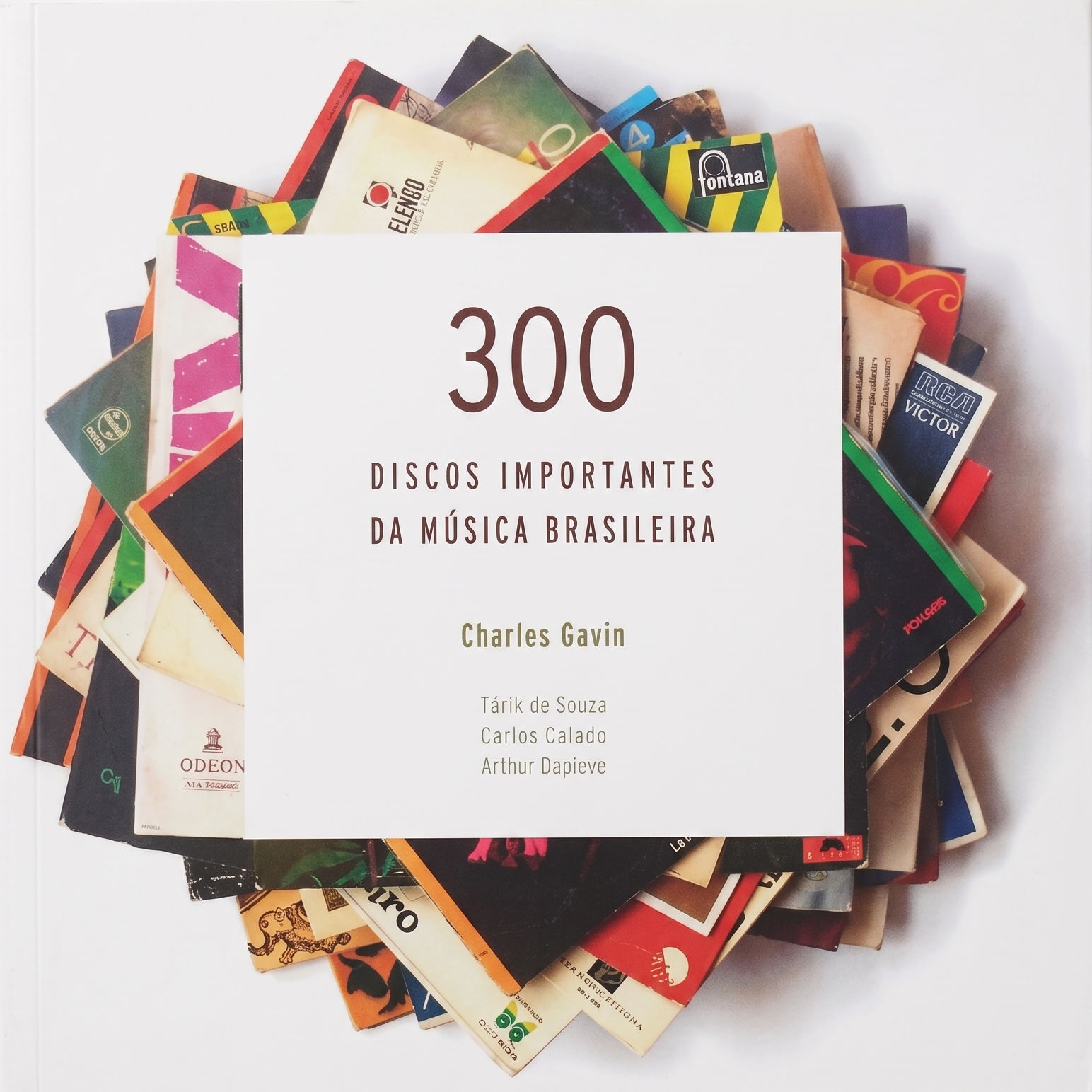
300 Discos Importantes da Música Brasileira
Charles Gavin, Tárik de Souza, Carlos Calado, Arthur Dapieve · 2008
Conceived by Titãs drummer and musical researcher Charles Gavin, the 434-page book brings together covers and reviews of albums released between 1929 and 2007. The texts were written by journalists Tárik de Souza, Arthur Dapieve and Carlos Calado.
Nélson Cavaquinho
José Novaes · 2003
Considered one of the most comprehensive and in-depth biographies of Nélson Cavaquinho, this book details the life, work, and importance of the sambista for Brazilian musical culture, addressing his personal journey, his partnerships, and his genius as a composer.
Analyses
Nelson Cavaquinho – Wikipedia
Wikipedia, the free encyclopaedia
Nelson Cavaquinho – The 100 Greatest Albums of Brazilian Music
Marcus Preto · Rolling Stone Brasil
On this album, Nelson records for the first time accompanying himself on the cavaquinho, an instrument he had abandoned in favour of the guitar, and which he only returned to playing because a drunk man present at his show at Teatro Opinião challenged him: "Aren't you Nelson Cavaquinho? Then play!"
Nelson Cavaquinho "Nelson Cavaquinho" (EMI-Odeon, 1973) (LP)
slipcue.com
Nelson Cavaquinho "Nelson Cavaquinho" (RCA, 1972) (LP) The second album by samba songwriter Nelson Cavaquinho, a member of the samba velha guarda, or old guard, who had been writing hit songs for decades before this record came out. Its nice, fairly stark, acoustic samba music, framing Cavaquinho's slightly croaky vocals. The small-scale vocal chorus, which is often a bit shrill and off-key ...
Aquela Musica Apresenta "Nelson Cavaquinho - 1973"
aquelamusica.com
"Nelson Cavaquinho" is the third album by the Rio de Janeiro-born sambista Nelson Cavaquinho, released in 1973 by the Odeon record label. This LP features some of the sambista's best compositions, such as "Juízo Final", "Folhas Secas", "A Flor e o Espinho", "Rugas", and "Quando Eu Me Chamar Saudade".
CD Nelson Cavaquinho - Nelson Cavaquinho (1973) - Marcondes Discos
marcondesdiscos.com.br
Genre(s): Brazilian Music Release Year: 2003 Artist: Nelson Cavaquinho Album: Nelson Cavaquinho 1973 Record Label: EMI, Odeon