Nelson Cavaquinho - Série Documento
Nelson Cavaquinho
1972
Rankings
Why This Album Matters
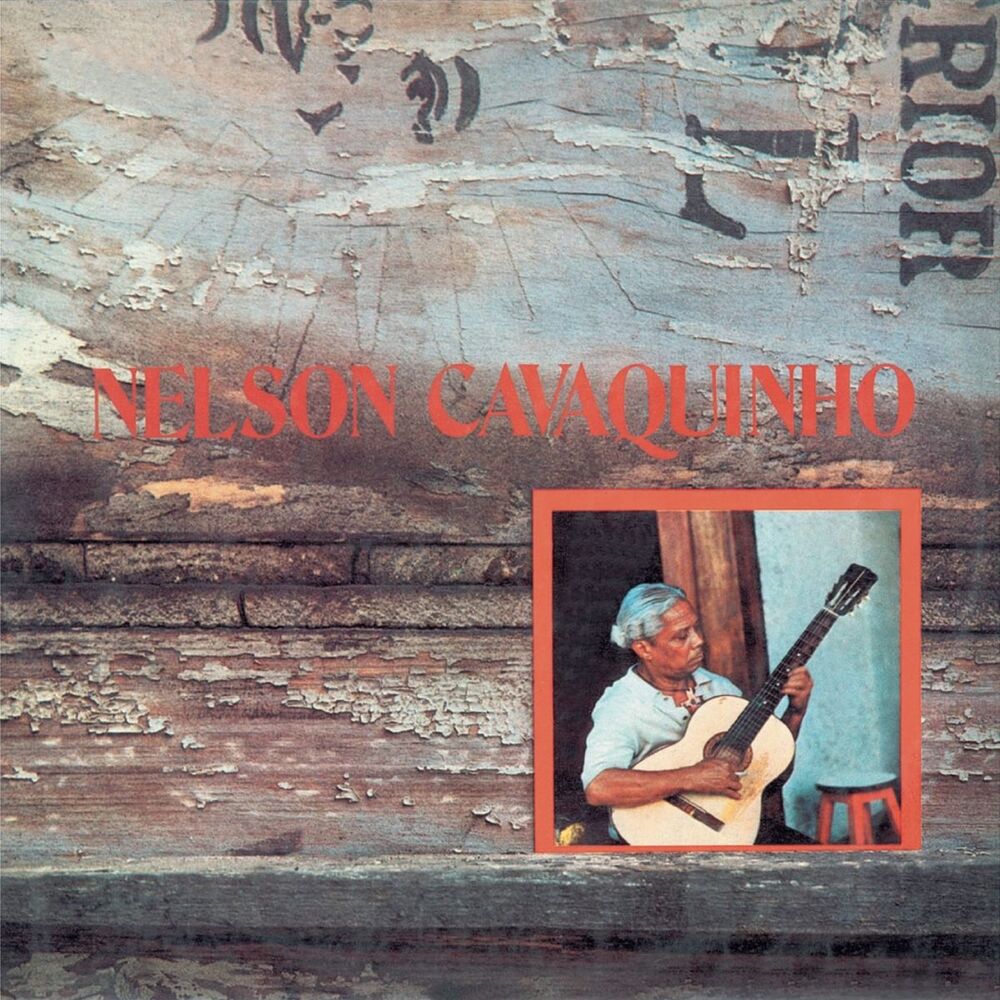
The album Nelson Cavaquinho, released in 1972 by RCA Victor as part of the Série Documento, is an essential and deeply representative work of Brazilian samba. It is considered by many to be one of the most perfect samba albums ever recorded, a testament to Nelson Cavaquinho's singular genius. The record features his hoarse, nasal voice, laden with bohemian spirit and suffering, which became an unmistakable hallmark in MPB. Through twelve sambas of his own authorship, many of them older compositions, the album sounds like a definitive collection of his work up to that point. The musical style is melancholic and existentialist samba, in which Nelson Cavaquinho explored themes such as death, the brevity of life, and resignation, elements that permeated his existence and were powerfully reflected in his lyrics and melodies. This work not only solidified Nelson Cavaquinho's solo career, which only began recording albums in his maturity, but also offered the public an authentic and profound immersion into the soul of one of samba's greatest poets, whose compositions transcended generations and continue to move with their truth and originality.
Context
Nelson Cavaquinho, whose birth name was Nelson Antônio da Silva, was a bohemian and 'bamba' from Estação Primeira de Mangueira. His musical trajectory, marked by a unique style of playing the guitar with only two fingers of his right hand, began long before his phonographic recognition. Despite composing since the 1930s, a period when he befriended sambistas like Cartola and Carlos Cachaça during night rounds with the Military Police, it was only in the 1970s that he released his first solo albums. The 1972 album was his second individual work, following Depoimento do Poeta, from 1970. Nelson Cavaquinho was an artist who lived shadowed by death, and this bitterness was a constant presence in his original work, woven with inspired melodies and lyrics of high poetic calibre, often in partnership with Guilherme de Brito.
Recording
The album was released by the RCA Victor label in 1972. Information about the original recording process, studio, producers, and musicians is scarce in the technical sheets, with later re-releases only mentioning "original recordings reprocessed for stereo" without detailing the recording dates or the credits for those involved. Despite the lack of technical details, the record captured the essence of Nelson Cavaquinho's interpretation, with his raw voice and the singular touch of his guitar. The album featured a female vocal choir, whose names were also omitted from the original LP's back cover.
Songs
The 1972 album Nelson Cavaquinho comprises twelve sambas that represent a sublime panorama of the composer's art. Many of the songs were already classics in his repertoire, although recorded for the first time by himself on this record. Among the standout tracks are "Quando Eu Me Chamar Saudade", "Tatuagem", "Eu e As Flores", "Palhaço", "Sempre Mangueira", "Deus Não Me Esqueceu", "A Flor e o Espinho", "Degraus Da Vida", "Notícia", "Lágrimas Sem Júri", "Luto", and "Luz Negra". The lyrics are marked by a profound melancholy, frequently addressing pain, death, the ephemerality of life, and existential fatalism. Songs like "Luto" and "Luz Negra" exemplify the bitterness that fuelled Nelson Cavaquinho's existentialist samba. Notable partnerships with Guilherme de Brito, such as "Tatuagem" and "A Flor e o Espinho", underscore the poetic mastery present on the album.
Legacy
Nelson Cavaquinho of 1972 is widely acclaimed as one of the pillars of samba and MPB. Critics and musicians recognise it as a seminal work, celebrated for its authenticity and the poetic depth of its songs. The journalist and music producer Sérgio Cabral, in a text for the original LP's back cover, already urged listeners not to compare Nelson Cavaquinho to ordinary singers, but to focus on the soul and genius of the poet revealed therein, highlighting the "unconventional" nature of his voice. Despite there being no detailed information about sales or specific awards for this album, its influence is undeniable. The compositions present on the record became samba standards, being re-recorded by countless prominent artists in Brazilian music over the decades, contributing to the perpetuation of Nelson Cavaquinho's legacy as one of Brazil's greatest and most respected composers. The album is a reference for 'samba de raiz' (roots samba) and continues to be discovered by new generations of listeners and musicians.
Tracks
Credits
Osvaldinho Da Cuíca
Arrudinha
Carlos Poyares
Jorginho Cebion
Felpudo
Films

Analyses
Discos para descobrir em casa - 'Nelson Cavaquinho', Nelson Cavaquinho ...
g1.globo.com
In 1972, the morbidity of Nelson Cavaquinho's work - the stage name of this musician skilled at playing the cavaquinho and guitar - was recorded by the author's nasal voice on a solo album released...
Cliquemusic : Disco : NELSON CAVAQUINHO - SÉRIE DOCUMENTO
cliquemusic.com.br
8 Degraus da vida (César Brasil, Antônio Braga, Nelson Cavaquinho) 9 Notícia (Alcides Caminha, Norival Bahia, Nelson Cavaquinho) 10 Lágrima sem júri (Fernando Mauro, Nelson Cavaquinho) 11 Luto (Sebastião Nunes, Guilherme de Brito, Nelson Cavaquinho) 12 Luz negra (Amâncio Cardoso, Nelson Cavaquinho)

Nelson Cavaquinho - "Nelson Cavaquinho - Série Documento" (1972)
tabernanovostempos.blogspot.com
One of the fundamental artists of Brazilian music, unique in his way of playing the guitar (curiously, not the cavaquinho), singular for his peculiar voice, and still unsurpassed today in his ability to express pain so intensely.