Água do Céu - Pássaro
Ney Matogrosso
1975

Rankings
Why This Album Matters
Água do Céu - Pássaro marks Ney Matogrosso's audacious and definitive plunge into his solo career in 1975, following the effervescence and conflicts that culminated in the end of Secos & Molhados. Released at a time of profound repression in Brazil, the album served as a statement of intent for the artist, exposing a musical and aesthetic universe that would become his signature over the decades. This debut work not only consolidated Ney Matogrosso's performative persona, but elevated it to a new level of symbolism. Assuming an animalistic, almost primitive, persona that transitioned between man and bird, the album visually and thematically explored a bold aesthetic, combining elements of MPB, experimental rock, glam rock, and nuances of art rock and psychedelia.
Context
Released in 1975, Água do Céu - Pássaro emerged against a backdrop of intense repression from the Brazilian Military Dictatorship, making Ney Matogrosso's artistic proposal even more subversive. The image of the semi-naked artist on the album sleeve and the simulated orgasm on the track "Açúcar Candy" openly challenged the conservatism of the era, shocking and provoking the status quo. The album represented a new chapter for Ney, who had come from a successful, yet turbulent, period with Secos & Molhados. Due to internal conflicts and disappointment with the group's management, Ney Matogrosso decided to pursue a solo path, seeking artistic freedom that would allow him to explore his references and visions without compromise.
Recording
The production of Água do Céu - Pássaro was handled by the Italian-Argentine Billy Bond, who helped shape the album's innovative sound. The creation process was marked by rehearsals that frequently turned into jam sessions, where the band, comprising talented musicians such as Claudio Gabis (guitar), Bruce Henry (bass), Marcio Montarroyos (trumpet, piano) and Elber Bedaque (drums), explored and developed arrangements organically, requiring Ney Matogrosso to organise the ideas for the definitive versions of the songs. Recorded at Estúdio Vice-Versa, the album also stands out for Ney's intention to eliminate any silence between tracks, using sounds of nature, such as water, wind and animal vocalizations, to create a continuous and immersive atmosphere. Prior to the album, Ney had recorded a single in Italy with Astor Piazzolla, featuring the songs "As Ilhas" and "1964", whose experimental sound served as an influence and direction for the debut album.
Songs
The repertoire of Água do Céu - Pássaro is a kaleidoscope of references, blending radio hits and film soundtracks that marked Ney Matogrosso's childhood with unreleased compositions by some of the biggest names in Brazilian music. Among the tracks, the iconic "Homem de Neanderthal" stands out, which also lends its title to the album as one of its alternative names and is considered one of the most avant-garde MPB songs, and "América do Sul", which became Ney's first major solo hit and featured the first music video ever made in Brazil. The album features a host of prominent composers, such as Milton Nascimento and Ruy Guerra, João Bosco and Aldir Blanc, Sueli Costa and Tite de Lemos, Luhli, Lucina and Paulo César, Jorge Omar and Paulo Mendonça. Songs like "Açúcar Candy" became notorious not only for their melody, but also for Ney's vocal and stage performance, which included a simulated orgasm, marking the audacity and artistic freedom that would characterise his career.
Legacy
Although Água do Céu - Pássaro was not an immediate major commercial success, it established itself as a fundamental landmark in Ney Matogrosso's career and in the history of Brazilian music. Artistically, its impact was profound, being considered one of the most impressive records in the national discography of the 20th century, and a "rather unconventional calling card" that opened new horizons for Brazilian music. The album is acclaimed for its rich arrangements and lyrical quality, characteristics that became trademarks of Ney's work. Critics and the public recognise it as an album "ahead of its time", with user reviews highlighting its ability to inspire other artists, such as Björk. Its conceptual and avant-garde nature resonates to this day, consolidating its position as a transgressive and essential work of art.
Tracks
Credits
Billy Bond
Ney Matogrosso
Jorge Barreiro
Bruce Henry
Elber Bedaque
Claudio Gabis
Marcio Montarroyos
Sérgio Rosadas
Guilherme Vaz
Chacal
Marcio Montarroyos
Rubens Gerchman
Podcasts
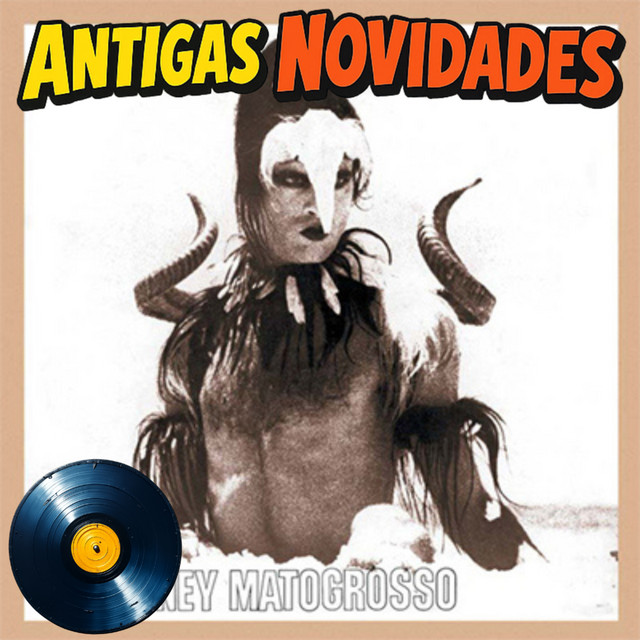
Antigas Novidades - podcast de heavy metal, rock progressivo, jazz, blues, MPB e rock classico · Antigas Novidades do Rock
O álbum Água do Céu - Pássaro marca a estreia solo de Ney Matogrosso em 1975, logo após sua saída dos Secos & Molhados, motivada por conflitos internos. Também conhecido pelo nome de uma de suas faixas mais emblemáticas, “Homem de Neanderthal”, o disco apresenta um artista em plena transformação, assumindo uma identidade estética e performática radical.Neste trabalho, Ney constrói uma persona anim
Films


Books
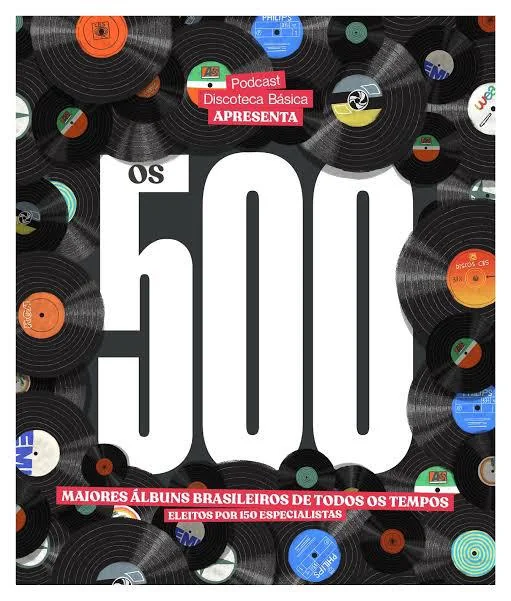
Os 500 Maiores Álbuns Brasileiros de Todos os Tempos
Ricardo Alexandre · 2022
The largest Brazilian music election ever conducted: 162 specialists, spanning journalists, critics, musicians, producers and podcasters, each nominated 50 essential albums, supported by a masterlist of more than 2,000 works. Led by Ricardo Alexandre with tabulation by Sérgio Jomori, it was published in December 2022 as a 200-page hardcover book with graphic design by Fernando Pires.
Ney Matogrosso... Para Além do Bustiê:
Robson Pereira da Silva · 2020
This academic study analyses Ney Matogrosso's journey during the military regime, with a specific focus on the 1970s. Although it highlights the album 'Bandido', the approach to the artist's 'counter-violence performances' during this period offers an in-depth context for understanding the work 'Água do Céu - Pássaro' (1975) and its cultural relevance.

Vira-Lata De Raça - Memórias
Ney Matogrosso · 2018
In this memoir, Ney Matogrosso himself narrates his personal and professional trajectory, addressing the 1970s period when 'Água do Céu - Pássaro' was released. It is a valuable primary source for understanding the artist's context and experiences at the time of the album.
Analyses
Água do Céu - Pássaro – Wikipedia
Wikipedia, the free encyclopaedia
Crítica | "Água do Céu - Pássaro" - Ney Matogrosso
planocritico.com
Água do Céu - Pássaro is an album that, upon listening, immediately feels like an immersion in the sounds of nature; but not just a mere backdrop: here, nature is substance, dominion, and character.

MUSICA&SOM: Ney Matogrosso "Água do Céu - Pássaro" (1975)
tabernanovostempos.blogspot.com
The cover (printed on cardboard) of Ney Matogrosso's debut album is immediately a programme that both shows direct inheritances from the previous stage and launches paths that he himself would later continue to explore.
História do Álbum #3: Ney Matogrosso - Água do Céu-Pássaro ... - IMMuB
immub.org
In the third video of the series, Faour comments on Ney Matogrosso's first solo album, titled "Água do Céu-Pássaro", which became known as "Homem de Neanderthal ".
O primeiro vôo solo do pássaro Ney - Silêncio no Estúdio
silencionoestudio.com.br
Ney the bird's first solo flight. In his 1975 solo debut, Água do Céu: Pássaro, Ney Matogrosso presents an anything but conservative calling card, for the good of Brazilian music.