Ney Matogrosso
Ney Matogrosso
1981
Rankings
Why This Album Matters
The self-titled 1981 album marks a crucial moment in Ney Matogrosso's solo career, signalling his debut with the Ariola label. Released during a period when the artist was already consolidating his transgressive image, the album established itself with the strength of various hits, amongst them the emblematic "Homem com H", a forró by Antônio Barros which, despite the singer's initial reluctance to record it, ascended to become one of the greatest successes of his career. The sound of the work is enriched by notable collaborations and sophisticated arrangements, highlighting the special participation of Gal Costa and Orquestra Tabajara in "Espinha de Bacalhau". The album also featured tracks such as "Viajante", "Amor Objeto", and "Vida Vida", which became a soap opera's opening theme, consolidating Ney Matogrosso's repertoire and presence in the Brazilian musical landscape.
Context
In the transition from the 1970s to the 1980s, Ney Matogrosso was already a completely transgressive figure in Brazilian music, facing threats from the military dictatorship with his art. After standing out as a former member of Secos & Molhados, he had released a series of solo albums, starting with Água do Céu - Pássaro in 1975, which paved his career before the arrival of this album. This period also found him in full creative activity, shaping an identity that blended androgyny with erotic performances, challenging concepts of masculine behaviour and influencing a new generation of artists.
Recording
The album was carefully produced by Mazzola, a name that would become recurrent in Ney Matogrosso's discography from that moment onwards. The arrangements, a fundamental part of the album's sonic identity, were conceived by César Camargo Mariano and Lincoln Olivetti. A notable collaboration occurred on the track "Espinha de Bacalhau", which featured the special participation of singer Gal Costa and Orquestra Tabajara, under the arrangement and conducting of Severino Araújo himself, co-author of the song with Fausto Nilo.
Songs
The repertoire of the 1981 album is marked by a variety of styles and collaborations. The list of successes includes "Viajante", by Teresa Tinoco, and "Amor Objeto", a composition by Rita Lee and Roberto de Carvalho. The marchinha "Folia no Matagal", by Eduardo Dusek and Luís Carlos Góis, which had previously not achieved success with Maria Alcina, gained new life in Ney's interpretation. One of the highlights is "Vida Vida", which became the opening theme for the Rede Globo soap opera Jogo da Vida. However, the song with the greatest repercussion was the forró "Homem com H", by Antônio Barros, which Ney Matogrosso was reluctant to record, but which became one of his greatest hits.
Legacy
The repercussion of the self-titled 1981 album was significant, driven mainly by the resounding success of the song "Homem com H", which became one of the greatest milestones in Ney Matogrosso's career. The impact of the track was so great that, combined with other works, it contributed to the artist accumulating, by 1983, two Platinum Records and two Gold Records. Furthermore, the song "Vida Vida" secured its place in the popular imagination by being chosen as the opening theme for the Rede Globo soap opera Jogo da Vida, further expanding the album's reach and consolidating Ney Matogrosso as one of the most potent and influential voices of his generation.
Tracks
Credits
Alexandre Agra
Mazzola
Alexandre Agra, Ney Matogrosso
Videos
Clube do Vinil n° 09 - Ney Matogrosso (1981)
Bruno Coleções
"Ney Matogrosso" (1981) - Ney Matogrosso | Melhores discos brasileiros dos anos 80 | Alta Fidelidade
Alta Fidelidade
Films


Books
Os 500 Maiores Álbuns Brasileiros de Todos os Tempos
Ricardo Alexandre · 2022
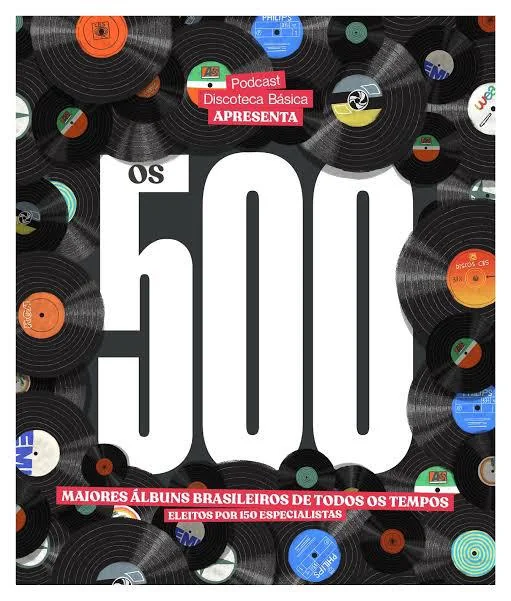
The largest Brazilian music election ever conducted: 162 specialists, spanning journalists, critics, musicians, producers and podcasters, each nominated 50 essential albums, supported by a masterlist of more than 2,000 works. Led by Ricardo Alexandre with tabulation by Sérgio Jomori, it was published in December 2022 as a 200-page hardcover book with graphic design by Fernando Pires.

Ney Matogrosso
Julio Maria · 2021
The result of five years of research and nearly two hundred interviews, this biography narrates the story of one of the most relevant artistic personalities in Brazil of our time. It shows how Ney Matogrosso, relying solely on his own intuition, forged a unique path in Brazilian music, facing challenges such as the intransigence of his military father, and covers his entire career, including the period of the 1981 album.
300 Discos Importantes da Música Brasileira
Charles Gavin, Tárik de Souza, Carlos Calado, Arthur Dapieve · 2008
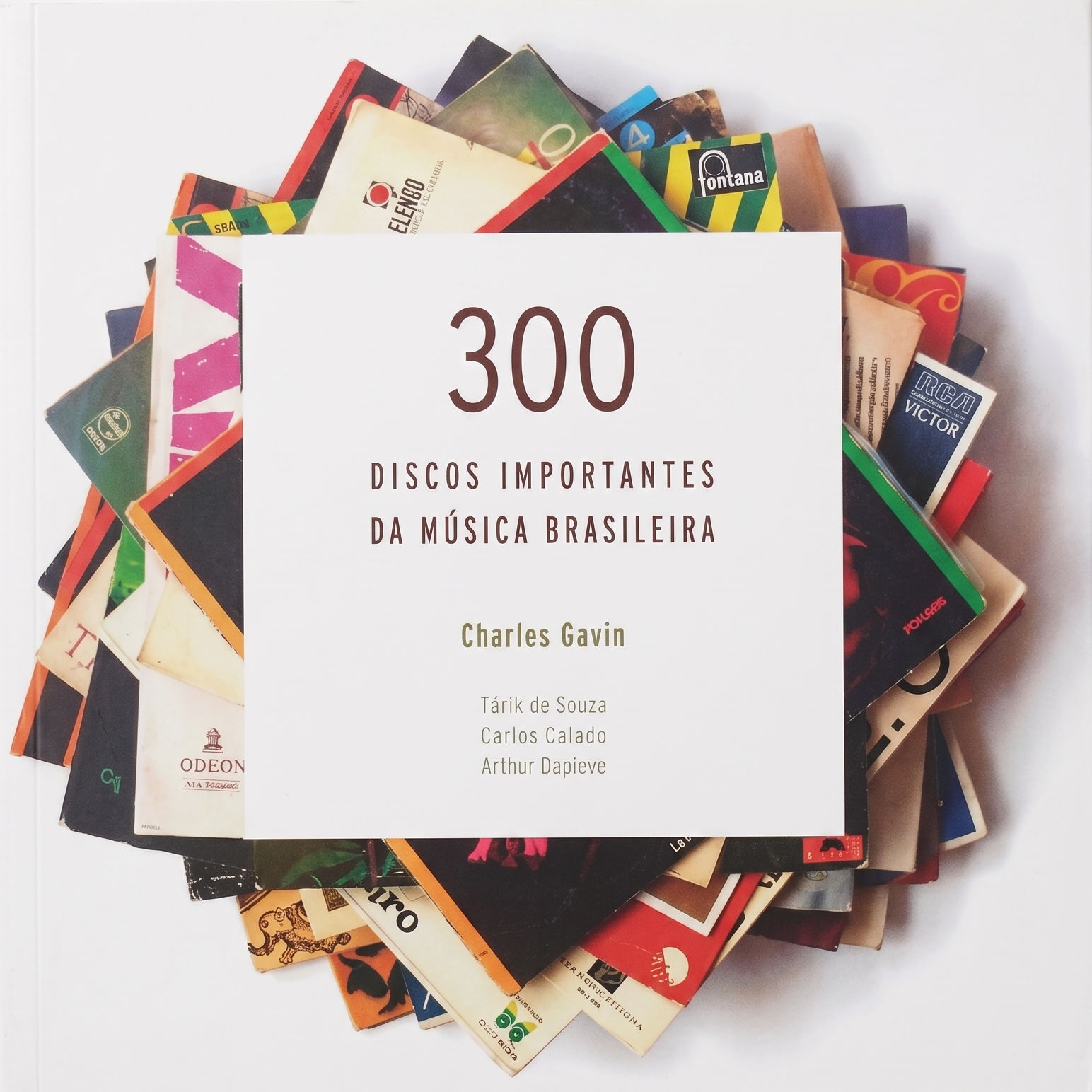
Conceived by Titãs drummer and musical researcher Charles Gavin, the 434-page book brings together covers and reviews of albums released between 1929 and 2007. The texts were written by journalists Tárik de Souza, Arthur Dapieve and Carlos Calado.
Analyses
Crítica | "Ney Matogrosso (1981)" - Ney Matogrosso - Plano Crítico
planocritico.com
Homem com H is, without a doubt, the album's major commercial and artistic success. Antônio Barros's forró, arranged by Oswaldinho with an authentic accordion and even featuring Bezerra da Silva on agogô, transports Ney to the Northeast with surprising naturalness.

"Ney Matogrosso" (Ariola, 1981), Ney Matogrosso
discosessenciais.blogspot.com
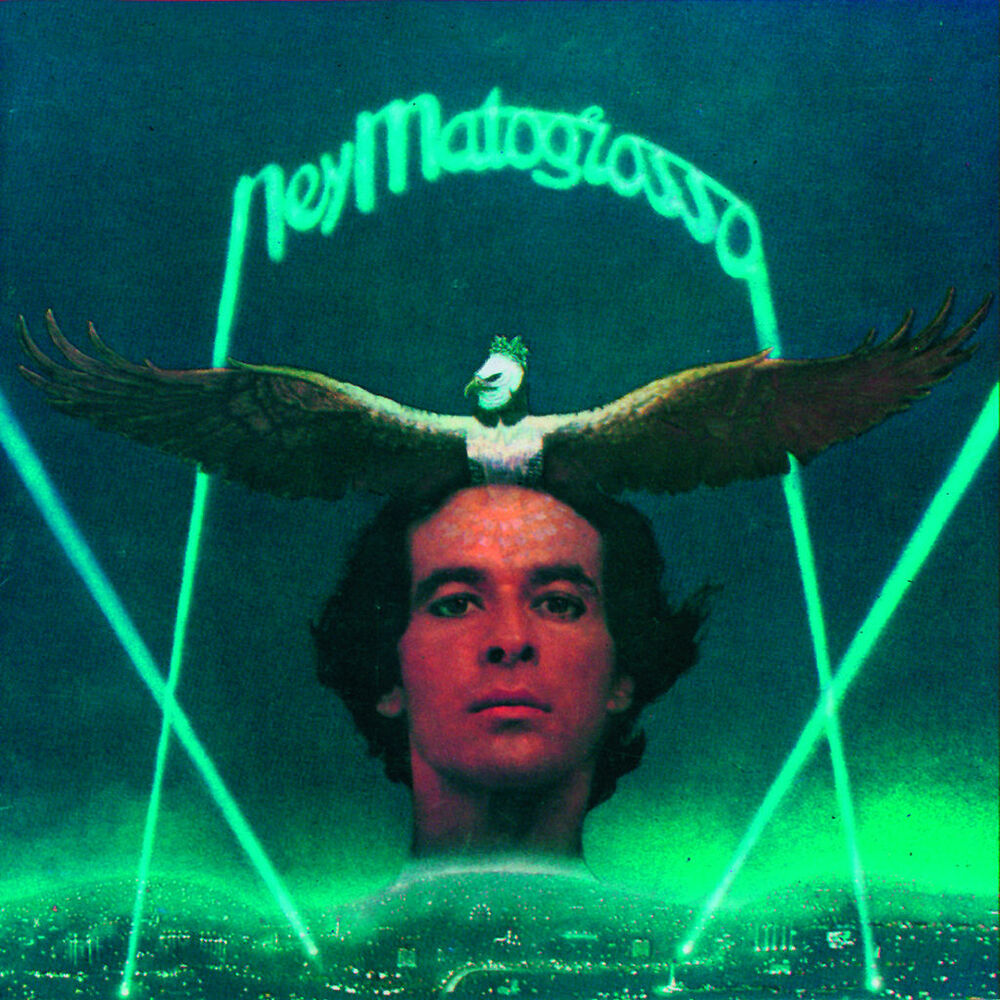
Released in May 1981, Ney Matogrosso's seventh album bears the singer's own name. The album cover features an exotic image showing the artist's head with a bird on top of it, and below, a landscape that appears to be from some city.
Ney Matogrosso - Ney Matogrosso (1981) - musicasdonordeste.net
musicasdonordeste.net
The album, divided into two parts, gathers the singer's greatest hits from his 20-year career, with songs such as "Avôhai", "Chao de Giz", "Bicho de 7 Cabecas", and others.